Steel Building in Malaysia or Indonesia: What Parameters to Confirm With a Chinese Supplier
When building overseas, unclear parameters lead to mismatched quotes and on-site rework. This checklist covers building use and dimensions, loads and codes, materials and corrosion protection, crane and equipment, cladding, and export delivery.
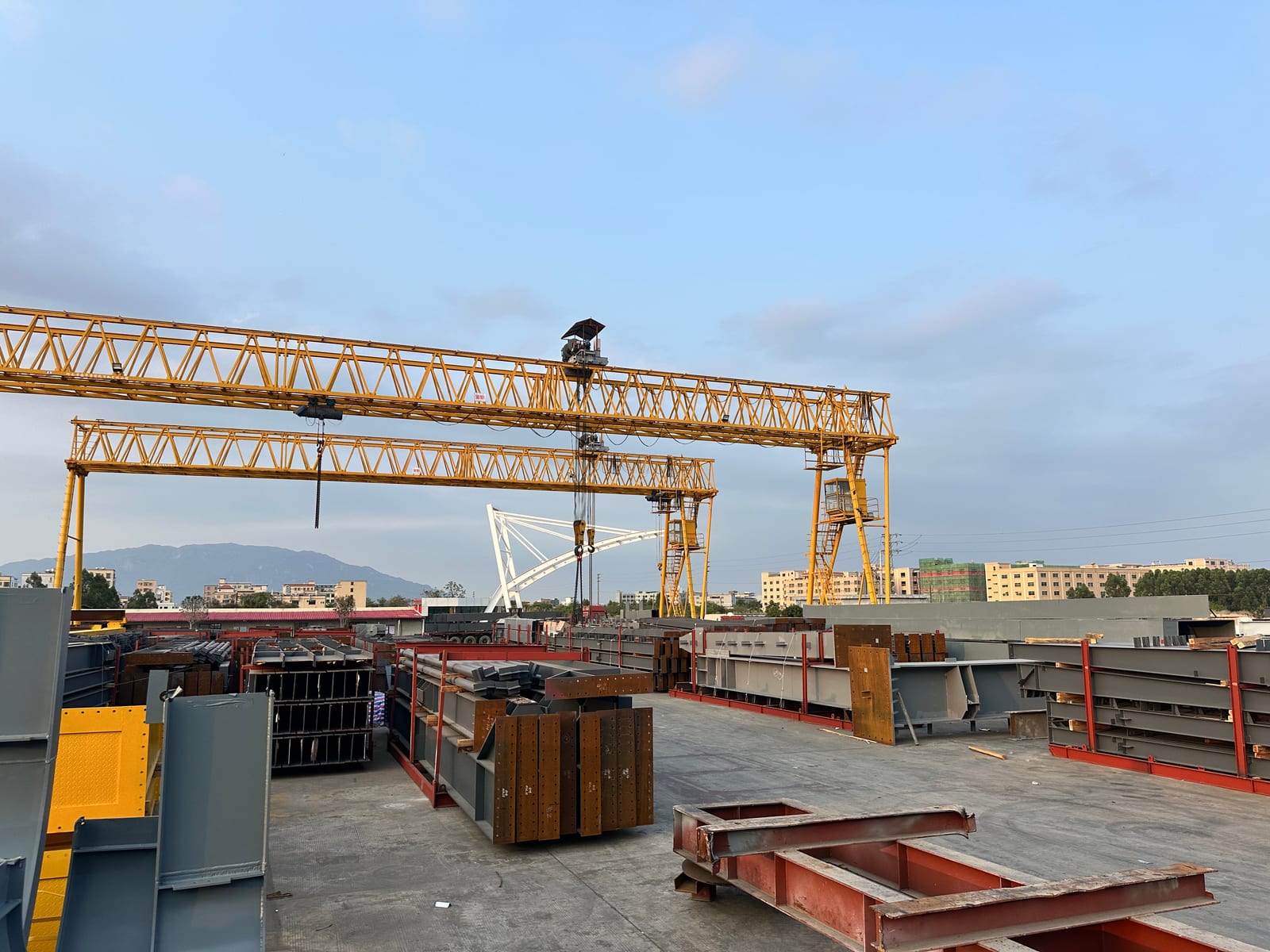
When erecting a steel building in Malaysia, Indonesia or another Southeast Asian country, the most common problem is usually not fabrication — it is that the parameters were not clarified before the quotation. If use, dimensions, loads, crane, cladding or delivery terms are left vague, different suppliers will quote on different assumptions, and omissions, rework and cost overruns follow.
This guide lists the parameters to confirm before contacting a Chinese steel structure manufacturer, organized into six sections. You can use the checklist to prepare your project information before sending drawings or requirements to a supplier.
1. Building Use and Basic Dimensions
The building’s purpose determines the structural form, and its dimensions drive steel tonnage. Before asking for a quote, clarify:
- Building type: production workshop, logistics warehouse, poultry/agricultural building, or multi-story office
- Span and length: single or multi-span, each span width, total building length
- Eave height and clear height: lowest bottom-chord clearance, whether there is a mezzanine or suspended ceiling
- Number of floors: single-story or multi-story, floor load requirements
- Door and access openings: main door size, vehicle access method, loading/unloading bay positions
- Floor slab and equipment layout: main equipment positions, floor loads, reserved foundation conditions
The structural solution differs significantly by use; workshops and warehouses have different crane, door and ventilation requirements. You can review our steel workshop and steel warehouse solutions first.
2. Loads and Applicable Codes
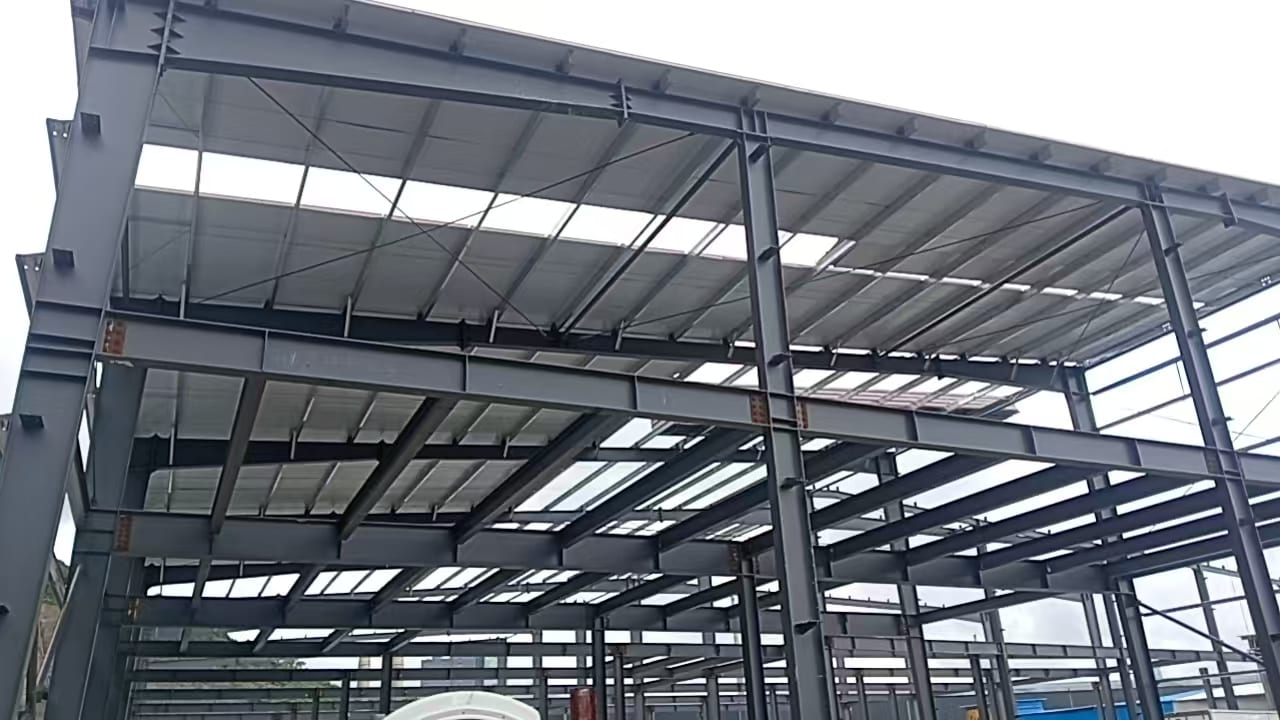
A steel structure must be designed to the loads and codes of the project location; domestic drawings cannot be reused directly. Confirm:
- Wind load: local basic wind speed and pressure distribution; wind-resistant detailing should be strengthened in typhoon or monsoon regions
- Rainfall and drainage: rainstorm intensity, roof drainage slope and gutter layout
- Seismic and live loads: seismic design requirements, roof and floor live loads
- Hot and humid environment: corrosion protection, insulation and ventilation for tropical climates
- Applicable design standard: Chinese GB, Eurocode/EN 1090, AISC or local code; whether drawings use metric units
Compliance note for Malaysia projects
Construction works in Malaysia involve CIDB contractor registration, and imported steel members may require an approval route such as a Certificate of Approval (COA). These local compliance requirements should be communicated to the supplier at the procurement stage, to avoid incomplete paperwork once members arrive on site. For background, see CIDB contractor registration and steel building projects and CIDB COA for imported steel structures; market context is available for Malaysia and Indonesia.
3. Main Materials and Corrosion Protection
Steel grade and anti-corrosion treatment directly affect building service life, especially in the wet, rainy climate of Southeast Asia:
- Steel grade: Q235B and Q355B are commonly used, selected by span, load and seismic requirements; the supplier can produce drawings to the target code and provide Mill Test Certificates (MTC)
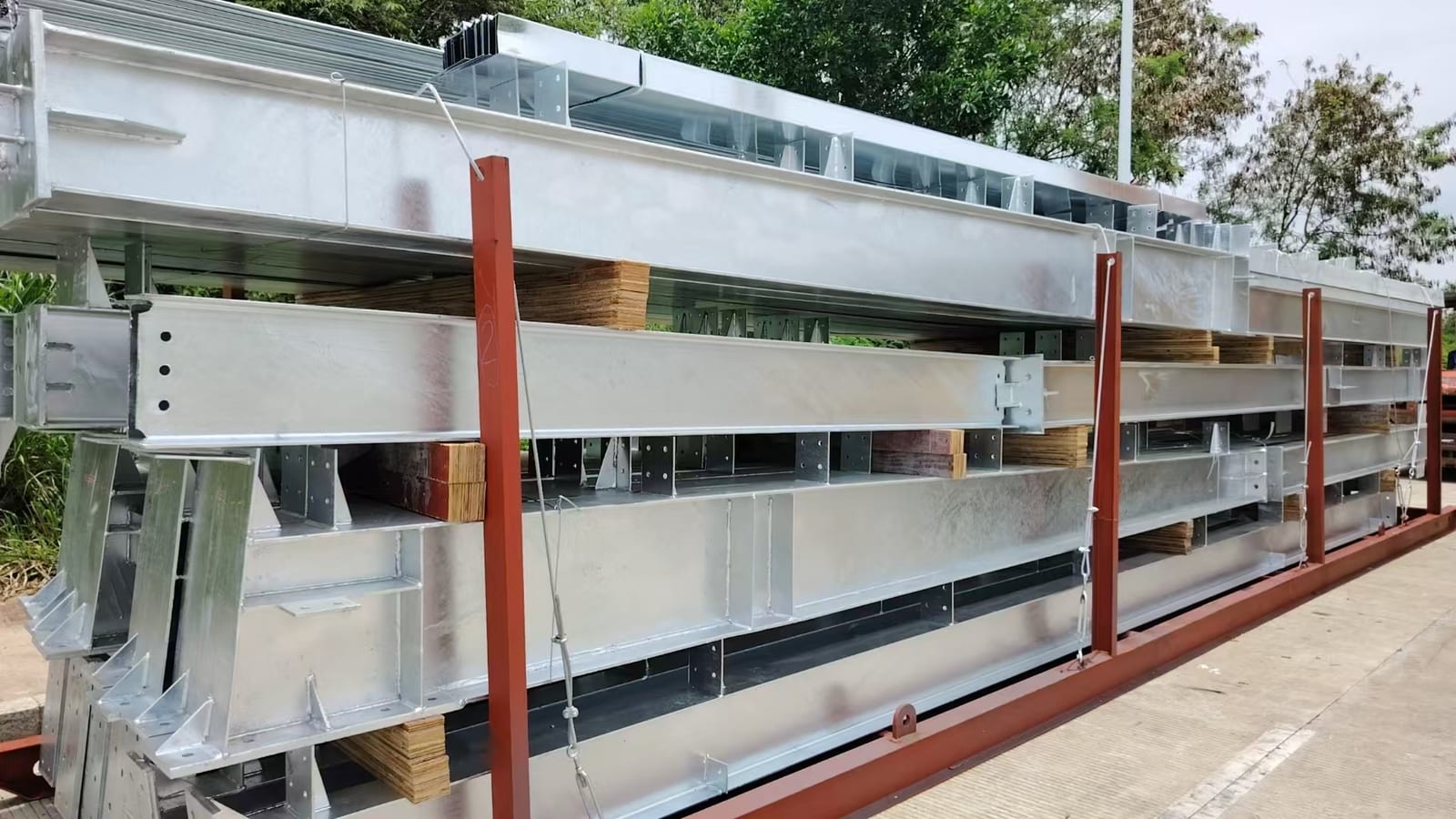
- Purlins and framing: hot-dip galvanized purlins are preferred, such as Z275 galvanized specification, for better corrosion resistance
- Primer coating: main members generally use epoxy zinc-rich primer; intermediate and finish coats can be added for highly corrosive environments
- Connections and contact surfaces: bolt grade, gusset plate thickness and on-site contact-surface corrosion protection must be specified in the drawings
Do not compare only the price per ton of steel; confirm whether the quoted material grade, coating thickness and MTC are all included. For details on materials and inspection, see manufacturing and quality control.
4. Crane and Process Equipment
If the workshop will carry a crane or house heavy equipment, these parameters must be frozen before detailing:
- Crane parameters: lifting capacity, crane span, rail top elevation, duty class (light/medium/heavy)
- Crane girder and track: crane girder section, rail type, braking structure
- Equipment foundations: foundations for heavy equipment, anchor bolts, vibration and reserved openings
- Reserved provisions: bracket positions, cable festoon systems, maintenance access
If crane information is uncertain, the crane girder and main structure cannot be designed accurately; adding a crane later often requires local reinforcement or rebuilding part of the frame.
5. Cladding System and Accessories
Cladding choices affect both operating environment and cost, and should be confirmed item by item:
- Roof and wall panels: panel type, thickness, lap and sealing method
- Insulation: whether insulation, thermal wool or sandwich panels are required; in hot climates, insulation and ventilation should be prioritized
- Ventilation and daylighting: ventilators, skylights, fan layout
- Doors, windows and drainage: door types, window positions, gutters and downpipes
Temperatures are high in Southeast Asia; warehouse and workshop insulation and ventilation should be raised at the quotation stage, not added after the main structure is finalized.
6. Export Delivery and Commercial Division of Work
For cross-border procurement, the division between fabrication, transport and on-site erection must be clear to avoid unclear responsibilities:
- Trade terms: FOB, CIF or other terms; who arranges ocean freight booking
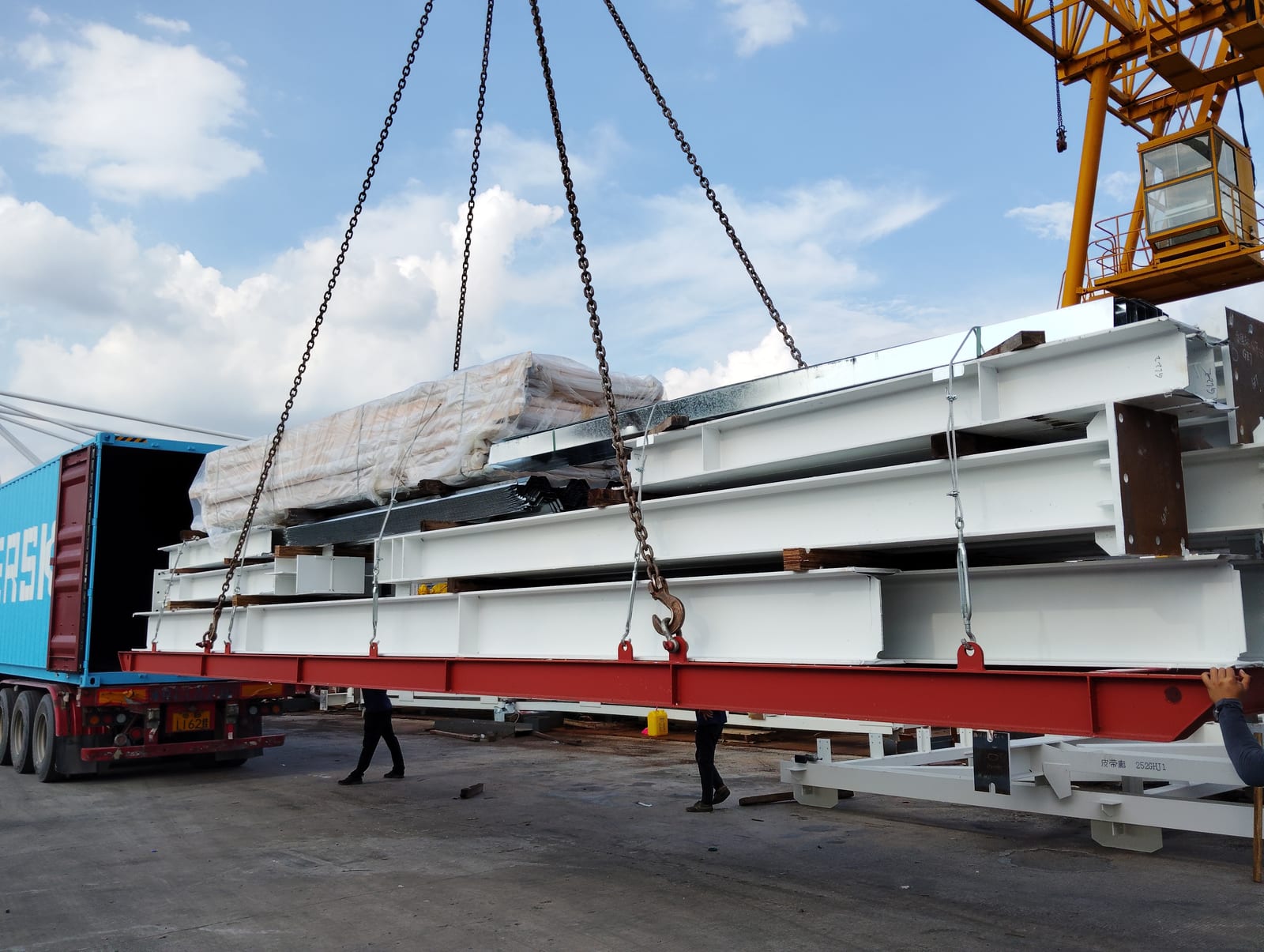
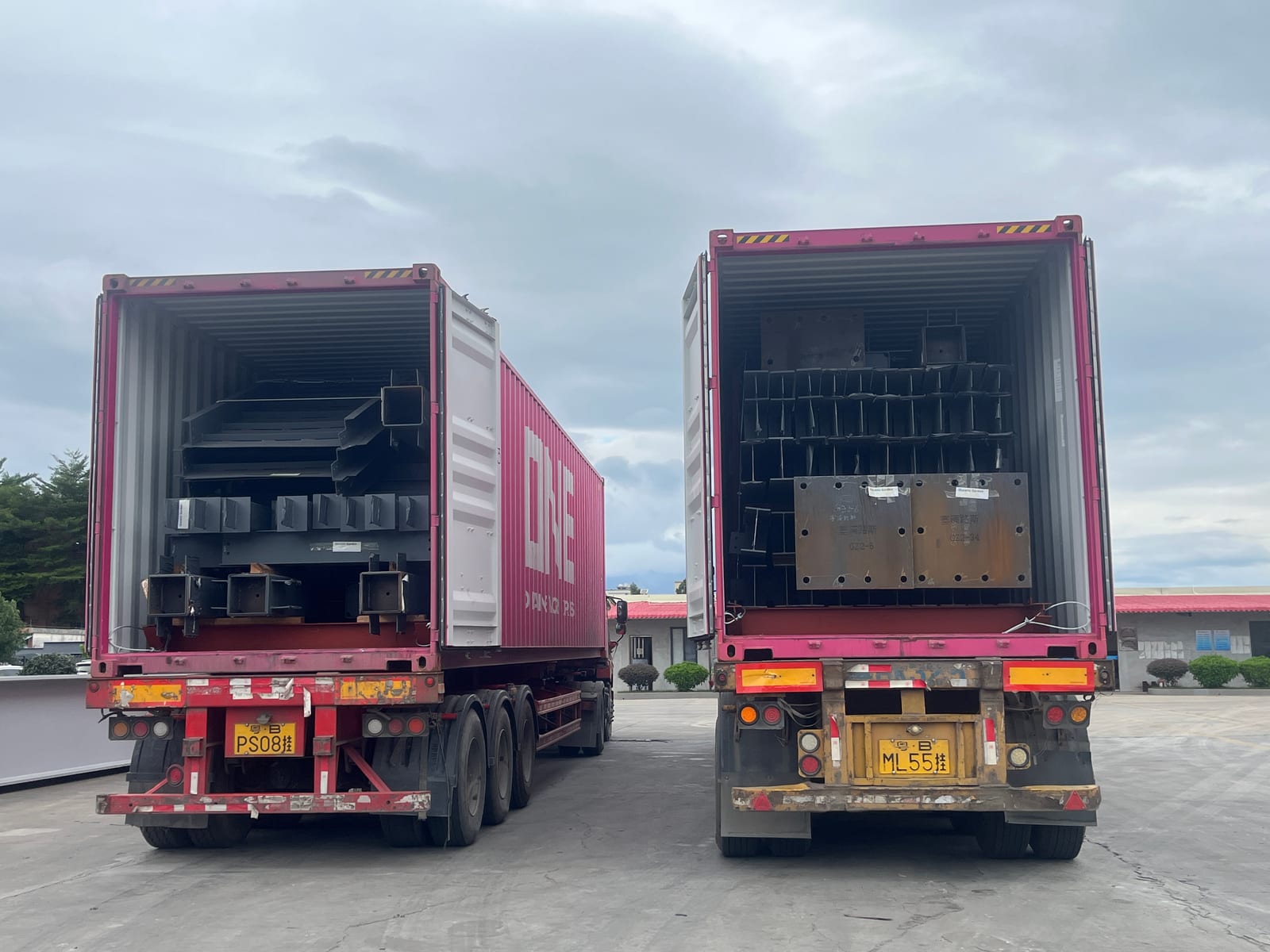
- Packing and marking: how members are packed and numbered by unit, for easy on-site counting and lifting
- Export documents: commercial invoice, packing list, MTC, certificates of conformity and other accompanying documents
- Erection division: local installation crews carry out on-site erection; the supplier provides detailing drawings, member numbering and erection technical guidance
- Quotation scope: whether steel, bolts, connection plates, primer and export packing are each included
- Payment milestones: division of deposit, progress payments and pre-shipment payment
For the full cross-border delivery process, see export delivery; to understand how a quotation is itemized, see the steel structure quotation guide.
How Zhongsai Supports Your Project
Zhongsai has 20 years of steel structure manufacturing experience and 15 years of export track record, with its own fabrication workshop, annual output of 100,000 tons and 300+ workers. We hold CE EN 1090, CSA CWB and Malaysia CIDB certifications. We provide itemized quotations based on project scope, loads and destination-country requirements, with an engineer replying within 24 working hours; we do not promise the lowest price, but make the supply scope, material grades and delivery milestones clear.
FAQ
Can I ask for a quote without complete drawings? Yes. First provide the building use, approximate dimensions, crane requirements and site conditions; the supplier can give a preliminary concept and quotation direction. The formal quote and material take-off are based on shop drawings confirmed by both parties.
Why should CIDB be raised early in Malaysia projects? Local construction involves contractor registration, and imported members may require compliance approval. Communicating these requirements to the supplier and local contractor before ordering prevents incomplete paperwork and schedule delays once the consignment arrives.
What steel standards do Chinese suppliers use? Main members commonly use Q235B and Q355B; drawings can be produced to EN, AISC or other target codes, with Mill Test Certificates supplied with the consignment.
Who is responsible for on-site erection overseas? On-site erection is generally carried out by local installation crews. Zhongsai handles detailing design, factory fabrication, member numbering, export packing and erection technical guidance, and provides remote technical support during installation.
Have a steel building project? Send your drawings, dimensions or project details, and we will review the parameters, loads and export requirements from an engineering perspective before providing an itemized quotation. Related reading: how to choose a Chinese steel structure manufacturer, export delivery process, manufacturing and quality control.