
Marine Cargo Insurance for Imported Steel Structures
Marine cargo insurance covers accidental loss or damage while goods are in transit. Who buys it depends on the Incoterms: under FOB or FCA the buyer usually arranges cover, while under CIF or CIP the seller arranges minimum cover even though risk has already transferred. Steel shipments are high-value and pass through many handovers, so cover is normally based on the CIF value plus an agreed percentage. Rates depend on the cover, cargo value, route and insurer, and there is no fixed figure. If cargo arrives damaged, inspect on the spot, record evidence, notify the carrier and insurer in writing, and keep all documents.
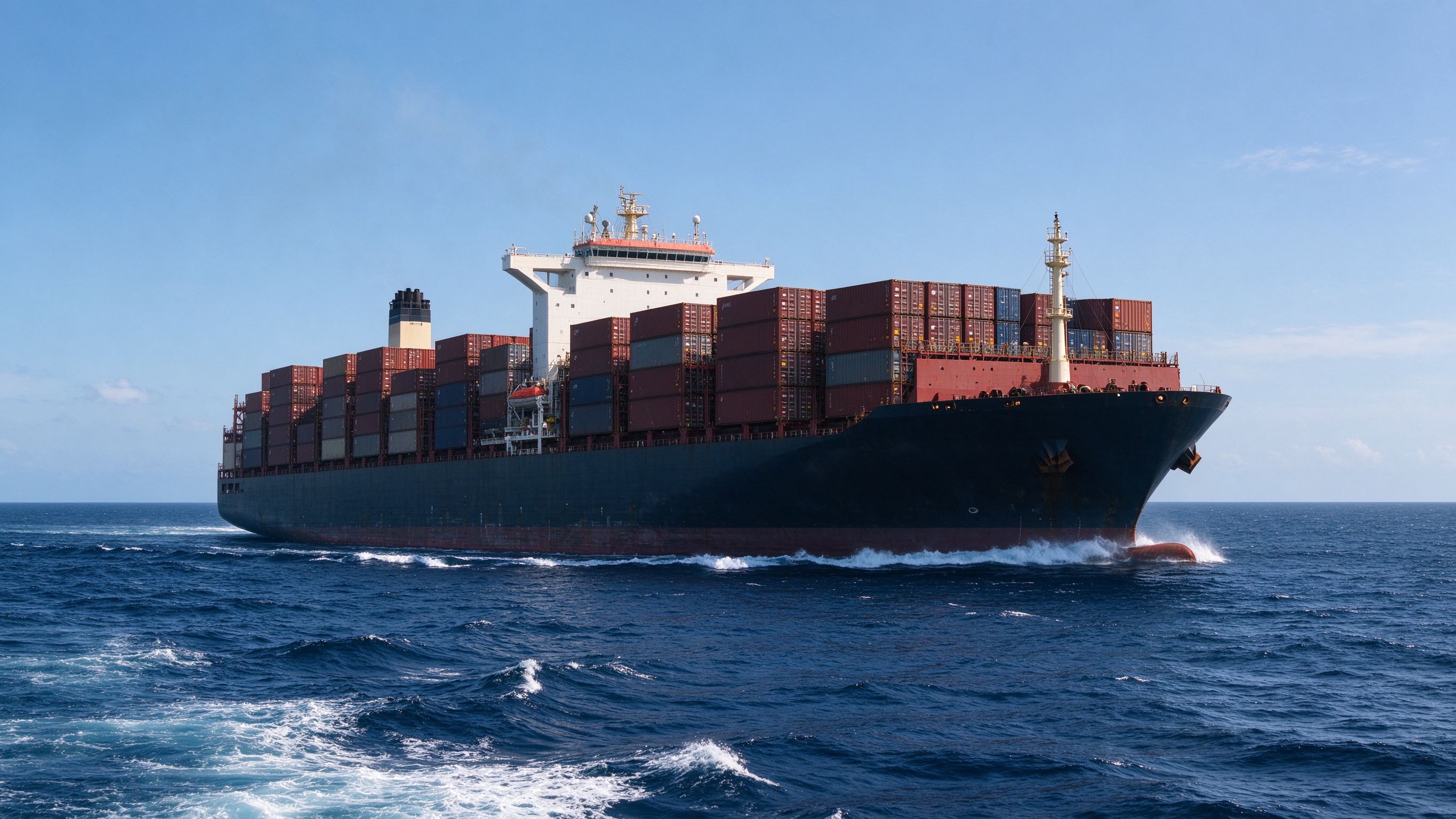
Marine cargo insurance covers accidental loss or damage while goods are in transit. Who buys it depends on the Incoterms: under FOB or FCA the buyer usually arranges cover, while under CIF or CIP the seller arranges minimum cover even though risk has already transferred. Steel shipments are high-value and pass through many handovers, so cover is normally based on the CIF value plus an agreed percentage. Rates depend on the cover, cargo value, route and insurer, and there is no fixed figure. If cargo arrives damaged, inspect on the spot, record evidence, notify the carrier and insurer in writing, and keep all documents.
This guide explains what cover is, who buys it, how the value is set, and how to claim.
Why insurance matters
A shipment passes through the factory, trucking, the export port, the vessel, the import port, customs and inland delivery. The Incoterms transfer risk between parties, but a risk transfer point does not mean anyone has actually bought insurance.
What is usually covered
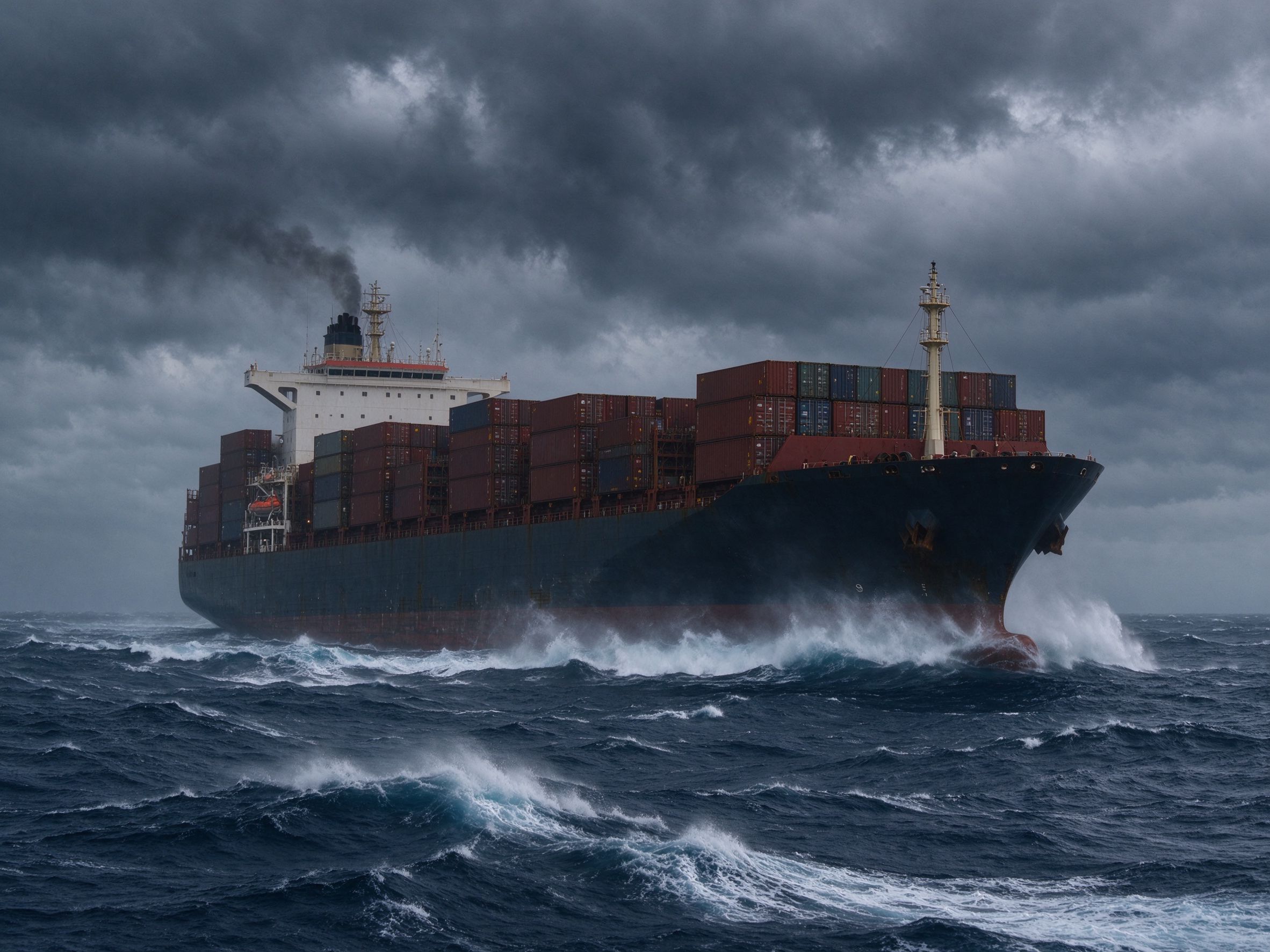
Cover depends on the policy wording. Cargo clauses commonly respond to external accidents during transit, such as heavy weather, vessel or transport accidents, fire, loading and discharge damage, and partial loss, subject to the chosen level of cover.
What is usually excluded
Policies commonly exclude ordinary wear and tear, inherent vice or rust that develops without an external cause, inadequate packaging, delay, the receiver’s own fault, and unseaworthiness known to the insured. War and strike risks are often separate add-ons. Always read the policy.
Levels of cover
The Institute Cargo Clauses (A), (B) and (C) are a common reference. (A) is the widest, (B) is narrower, and (C) is the most limited. The exact scope follows the policy, not the label.
| Level | Breadth | Typical use |
|---|---|---|
| ICC (A) | Widest cover | High-value or long-route shipments |
| ICC (B) | Middle cover | Named perils and partial losses |
| ICC (C) | Limited cover | Major casualties only |
Who buys under common terms
| Term | Transport | Insurance |
|---|---|---|
| EXW / FCA / FOB | Buyer | Buyer arranges |
| CIF / CIP | Seller | Seller arranges minimum cover |
Under CIF the seller is normally required to arrange only minimum cover; buyers who want wider cover often add their own.
How the insured value is set
Cover is commonly based on the CIF value plus an agreed percentage, often around 110%, subject to the insurer and the contract. Do not insure only the steel cost; duties and freight may also be exposed.
Duration of cover
Many cargo clauses use a warehouse-to-warehouse principle, from the named departure warehouse to the named destination warehouse, but the exact start and end follow the clause and require a continuing interest in the goods.
If cargo arrives damaged
- Inspect at the time of collection and take dated photos
- Note exceptions on the delivery or port documents
- Notify the carrier and terminal in writing within the required time
- Notify the insurer and its local survey agent
- Keep the bill of lading, invoice, packing list, policy and discharge records
- Do not dispose of damaged goods without agreement
- Cooperate with subrogation against the responsible party
Responsibility boundary
| Stage | ZhongSai | Buyer / local party |
|---|---|---|
| Before shipment | Coordinate packing, marking and loading | Confirm the required Incoterm and cover |
| Insurance | Arrange minimum cover if selling CIF/CIP | Arrange cover under FOB/FCA or wider cover if needed |
| Documents | Provide correct shipping documents | Keep the policy and claim documents |
| Arrival | Support document queries | Inspect on collection and record evidence |
| Claim | Supply factory and loading evidence | Notify carrier and insurer, and pursue the claim |
Buyer checklist
- Incoterm and risk transfer point are clear
- Who buys cover is confirmed
- Level of cover is chosen
- Insured value includes freight and duties as needed
- War/strike add-ons are considered for the route
- Warehouse-to-warehouse scope is confirmed
- Local survey agent contact is known
- Arrival inspection and photos are planned

FAQ
Do I need cargo insurance under FOB?
Under FOB the buyer normally arranges the main carriage and cover, so yes, the buyer should arrange it.
Does CIF cover all risks?
No, CIF usually requires only minimum cover; wider cover is typically arranged separately.
What does cargo insurance cover?
It depends on the policy, commonly external accidents and loading or discharge damage during transit.
Does it cover rust?
Rust without an external cause is often excluded; damage from a covered accident may respond.
How much should I insure?
Commonly the CIF value plus an agreed percentage, subject to the insurer and contract.
What is warehouse-to-warehouse cover?
A transit clause from the named departure warehouse to the named destination warehouse, subject to its wording.
What if I find damage at arrival?
Inspect, photograph, note exceptions, and notify the carrier and insurer in writing.
How long do I have to file a claim?
Time limits vary by policy and route, so notify all parties immediately and follow the policy.
Planning a shipment and want the documents and terms right?
Send your project drawings and requirements; ZhongSai will coordinate the Incoterms, shipping documents and packing to match your insurance and clearance plan.