
Steel Pipe Rack Structure for Petrochemical Plants
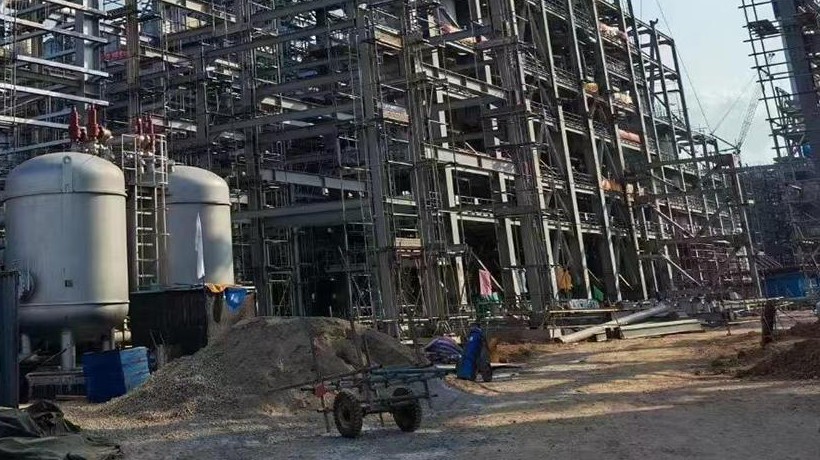
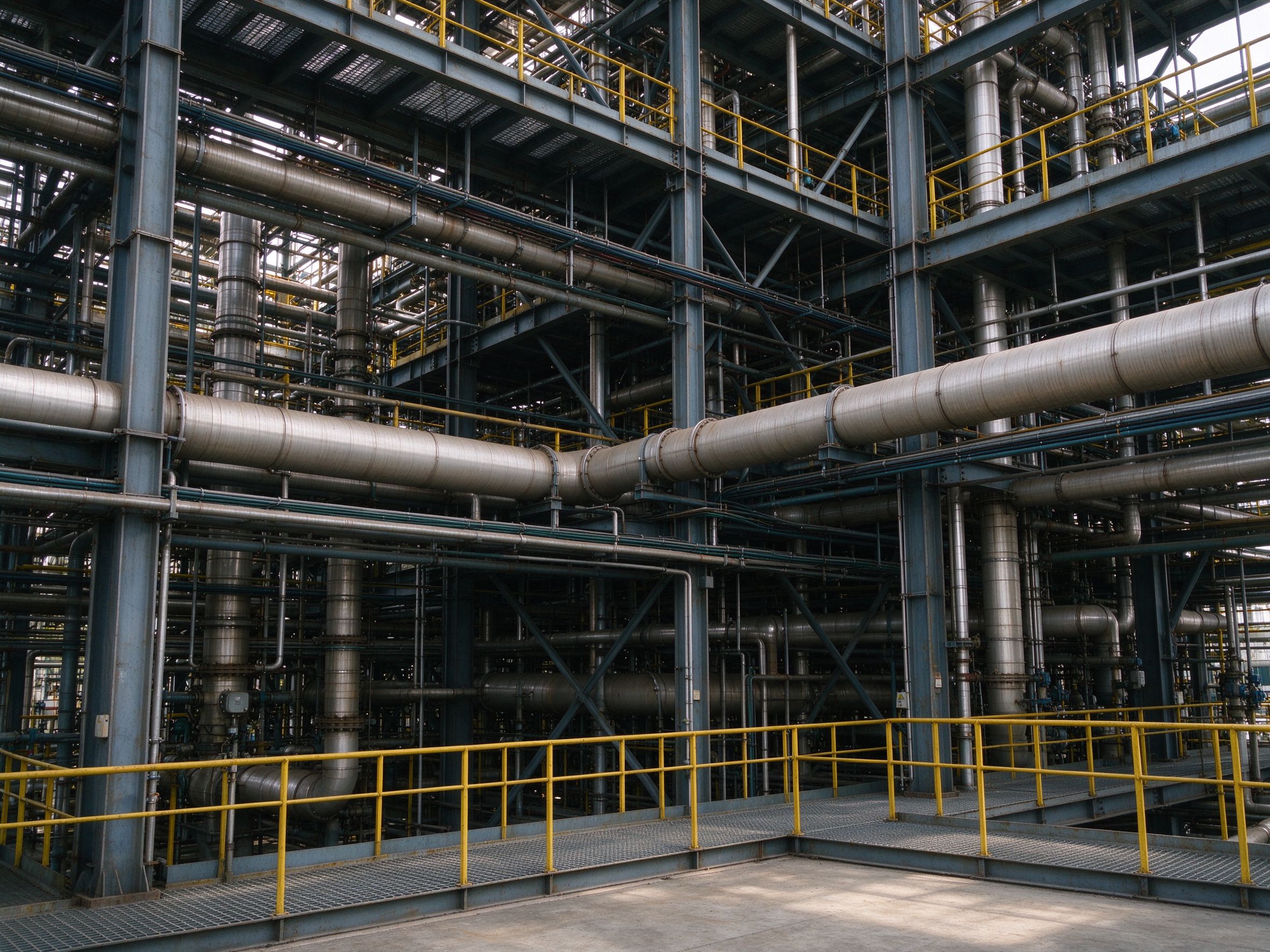
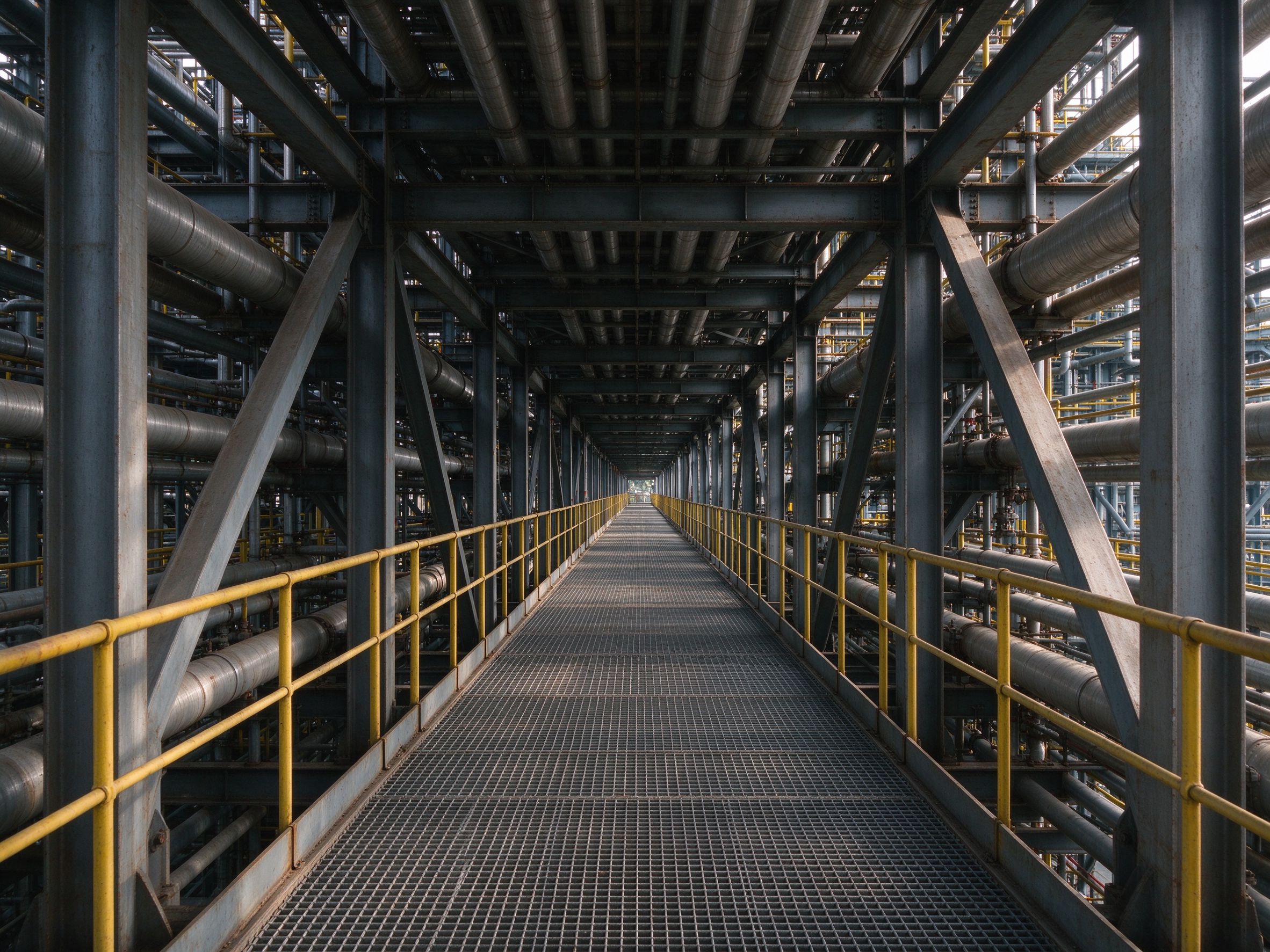
A steel pipe rack is an open, multi-level steel frame that supports process pipes, cable trays and sometimes equipment in petrochemical, chemical and power plants. It is formed by transverse bents, longitudinal bracing, multiple levels of beams, walkways and guardrails.
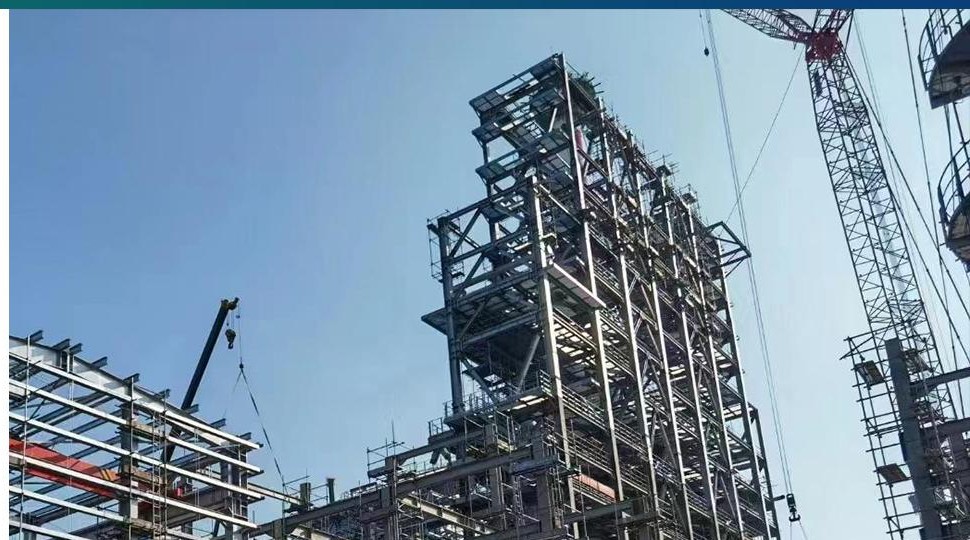
A steel pipe rack is an open, multi-level steel frame that supports process pipes, cable trays and sometimes equipment in petrochemical, chemical and power plants. It is formed by transverse bents, longitudinal bracing, multiple levels of beams, walkways and guardrails.
This guide explains how a pipe rack is structured and what to coordinate, rather than giving fixed dimensions.
What is a steel pipe rack
A pipe rack is the main structural route for process pipes and utilities in a plant. It runs between process units and carries pipes, cable trays and sometimes small equipment on several levels.
How a pipe rack is structured
| Part | Role |
|---|---|
| Transverse bents | Resist loads across the rack |
| Columns | Carry vertical and lateral loads |
| Longitudinal bracing | Stabilizes the rack along its length |
| Multi-level beams | Support pipes and cable trays |
| Walkway grating | Access for operation and maintenance |
| Guardrails | Fall protection along edges |
What a pipe rack carries
A pipe rack carries pipe weight, contents, insulation, cable trays and sometimes equipment. Pipes also expand with temperature, so supports and guides must allow or control movement.
Pipe rack vs an ordinary steel building
| Aspect | Pipe rack | Steel building |
|---|---|---|
| Envelope | Usually open | Clad walls and roof |
| Levels | Often several | Often one main level |
| Loads | Pipes, cables, equipment | Envelope, floor, crane |
| Access | Walkways and platforms | Doors and bays |
| Coordination | Piping layout | Architectural layout |
Design coordination
The rack is coordinated with the piping layout, pipe supports, thermal expansion, walkways, fireproofing and corrosion protection. Member sizes and spacing depend on the pipe loads, layout, local code and use; they should not be fixed before the piping data is known.
What depends on what
The structure depends on the pipe layout, pipe loads and thermal movement, the number of levels, walkway requirements, fire and corrosion conditions, and the local code.
Responsibility boundary
| Stage | ZhongSai | Buyer / local party |
|---|---|---|
| Data | Coordinate to pipe loads and layout | Provide piping data and local code |
| Detailing | Model the rack and connections | Confirm walkway and safety needs |
| Fabrication | Fabricate and QC in the manufacturing bases | Arrange permits and engineer |
| Shipping | Coordinate export and documents | Arrange clearance and duty |
| Erection | Provide technical guidance | Provide labour and physical erection |
Checklist
- Piping layout and levels are confirmed
- Pipe loads and contents are provided
- Thermal expansion and guides are checked
- Transverse bents and longitudinal bracing are set
- Walkway grating and guardrails are included
- Fireproofing needs are confirmed
- Corrosion environment is reviewed
- Local code and permits are checked
FAQ
What is a steel pipe rack?
An open multi-level frame that supports pipes, cables and sometimes equipment.
How is a pipe rack stabilized?
By transverse bents and longitudinal bracing.
What loads does it carry?
Pipe weight, contents, insulation, cable trays and sometimes equipment.
Do pipes move on the rack?
Yes, pipes expand with temperature, so supports and guides are coordinated.
Is a pipe rack enclosed?
Usually it is open, unlike a clad steel building.
Are walkways included?
Walkways and guardrails are commonly added for access.
When is fireproofing needed?
It depends on the plant, the fire scenario and the local code.
What data is needed before pricing?
The pipe layout, levels, loads, walkways, fire and corrosion needs.
Planning a pipe rack project?
Send your pipe layout, levels and project requirements; ZhongSai will coordinate the structure and connections to the piping data and provide clear export scope.