
Bolted Connections vs Site Welding: How to Choose
Bolted vs welded steel connections on site 鈥?compare erection speed, quality, cost, site conditions and export project considerations.
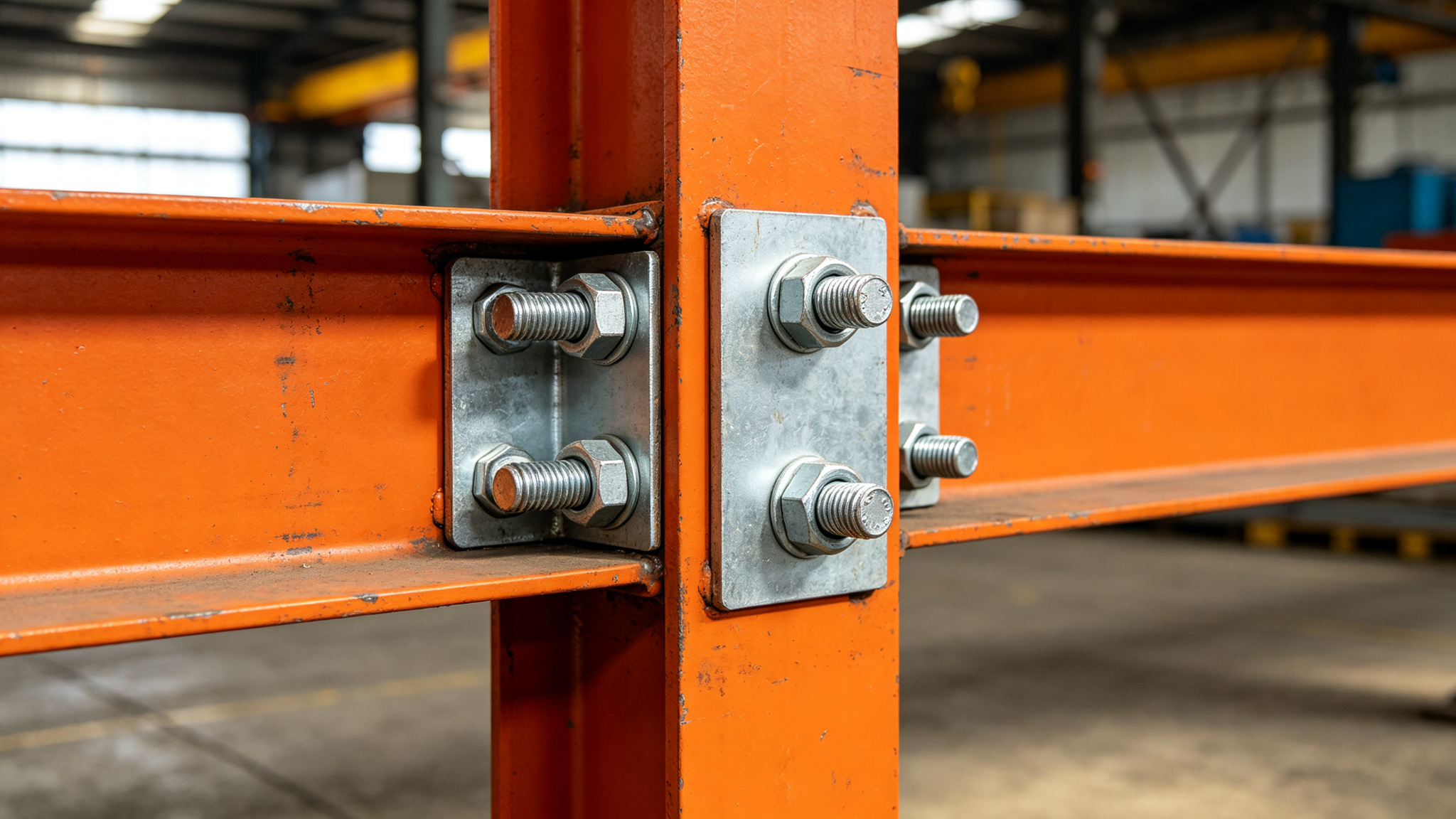
Bolted and welded connections each have a place in steel construction. For export projects, bolted connections are usually preferred because they allow shop fabrication, quality control under factory conditions, and faster site erection. Site welding remains necessary for certain splices, special connections and repairs. The choice depends on member type, seismic detail, site labor, crane access and inspection requirements.
Why Connection Type Matters for Export
In domestic steel construction, site welding is common and crews are experienced. For export, the situation changes:
- Site labor may not have certified welders
- Welding inspection equipment may not be available locally
- Weather conditions can affect weld quality
- Poor site welding is hard to repair remotely
- Bolted connections can be inspected visually and with simple tools
This is why most export steel structures use bolted main frame connections, with shop welding in the factory and minimum field welding.
Bolted Connections
How They Work
Steel members are fabricated in the factory with end plates, flange plates or web plates drilled to match high-strength bolts. On site, members are aligned, bolts are inserted and tightened to specified torque or turn-of-nut.
Advantages
- Fast erection 鈥?no weld cooling time
- Quality controlled 鈥?holes and plates made in factory
- Inspection simple 鈥?visual check + torque wrench
- No skilled welder required on site
- Weather independent 鈥?can work in rain, cold or wind
- Demountable 鈥?connections can be disassembled if needed
- No inspection radiographic equipment needed
Limitations
- Requires accurate hole spacing in shop fabrication
- Heavier connection plates than welded
- Slightly more material cost
- Requires proper bolt tightening sequence
- Not suitable for every joint type
Site Welding
How It Works
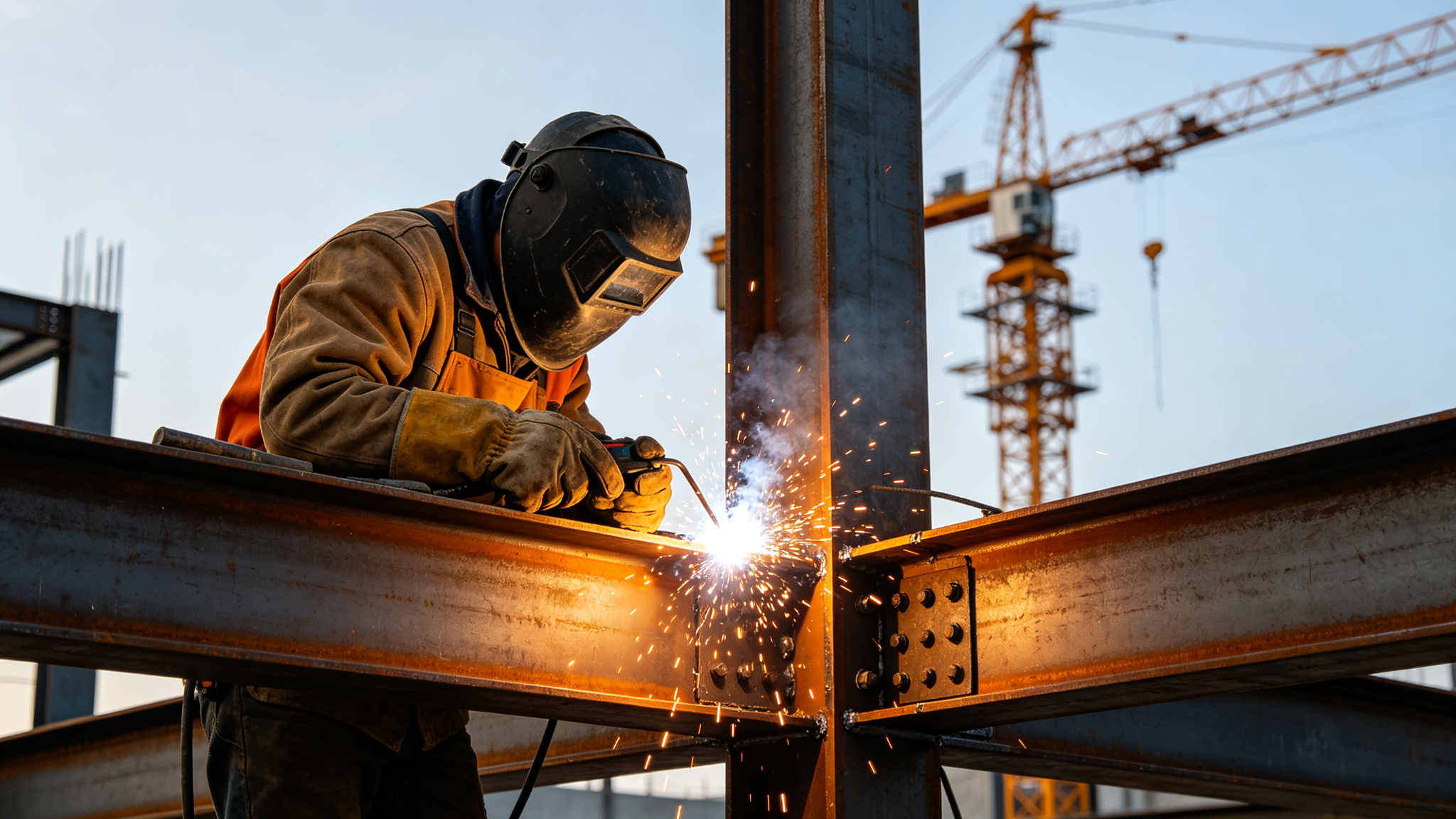
Members arrive with preparation plates or weld ends. On site, a certified welder joins members using arc welding, following approved welding procedures.
Advantages
- Flexible 鈥?can handle unexpected field adjustments
- No hole preparation needed
- Often lighter connection
- Good for irregular shapes and modifications
- Familiar to many local contractors
Limitations
- Requires certified welders on site
- Weather sensitive (rain, wind, temperature)
- Quality depends on welder skill and inspection
- May require NDT (ultrasonic or magnetic particle)
- Slower erection
- Hard to repair if done poorly
- Remote engineering support cannot fix bad welds
When Bolted Connections Win
Bolted connections are usually better for:
- Export projects 鈥?factory QC, site ease
- Industrial buildings 鈥?regular frames, repeatable bays
- Long-span warehouses 鈥?standardized bolted joints
- Remote sites 鈥?limited local welding expertise
- Fast-track schedules 鈥?bolted erection is faster
- Hot or rainy climates 鈥?welding quality suffers
- Projects with limited inspection capability
When Site Welding May Be Needed
Site welding may be unavoidable for:
- Heavy crane runway splices requiring full penetration
- Irregular connections with complex geometry
- Field modifications when as-built conditions differ
- Seismic special moment frames requiring certified field welding
- Repair of damaged members after transport
- Certain base plate to anchor plate connections
In export projects, these are typically minimized in design to reduce site welding to the absolute minimum.
Quality Control Comparison
| Factor | Bolted | Site Welded |
|---|---|---|
| Quality control | Factory drilling, easy inspection | Depends on welder + weather |
| Inspection | Visual + torque | May require NDT |
| Site skill needed | Basic | Certified welder |
| Weather sensitivity | Low | High |
| Erection speed | Fast | Slower |
| Repairability | Easy (replace bolt) | Difficult |
| Cost | Higher material | Lower material, higher labor |
| Shop fabrication | More work in shop | More work on site |
Cost Considerations
Bolted connections usually cost slightly more in steel material (connection plates, high-strength bolts) but save on:
- Site labor
- Inspection equipment
- Schedule delays
- Rework risk
For export projects, the total project cost often favors bolted connections because the site team is less skilled and schedule delays are expensive.
Typical Export Project Approach
Most Chinese steel structure export suppliers use:
- Factory welding for all main member fabrication (columns, beams, trusses)
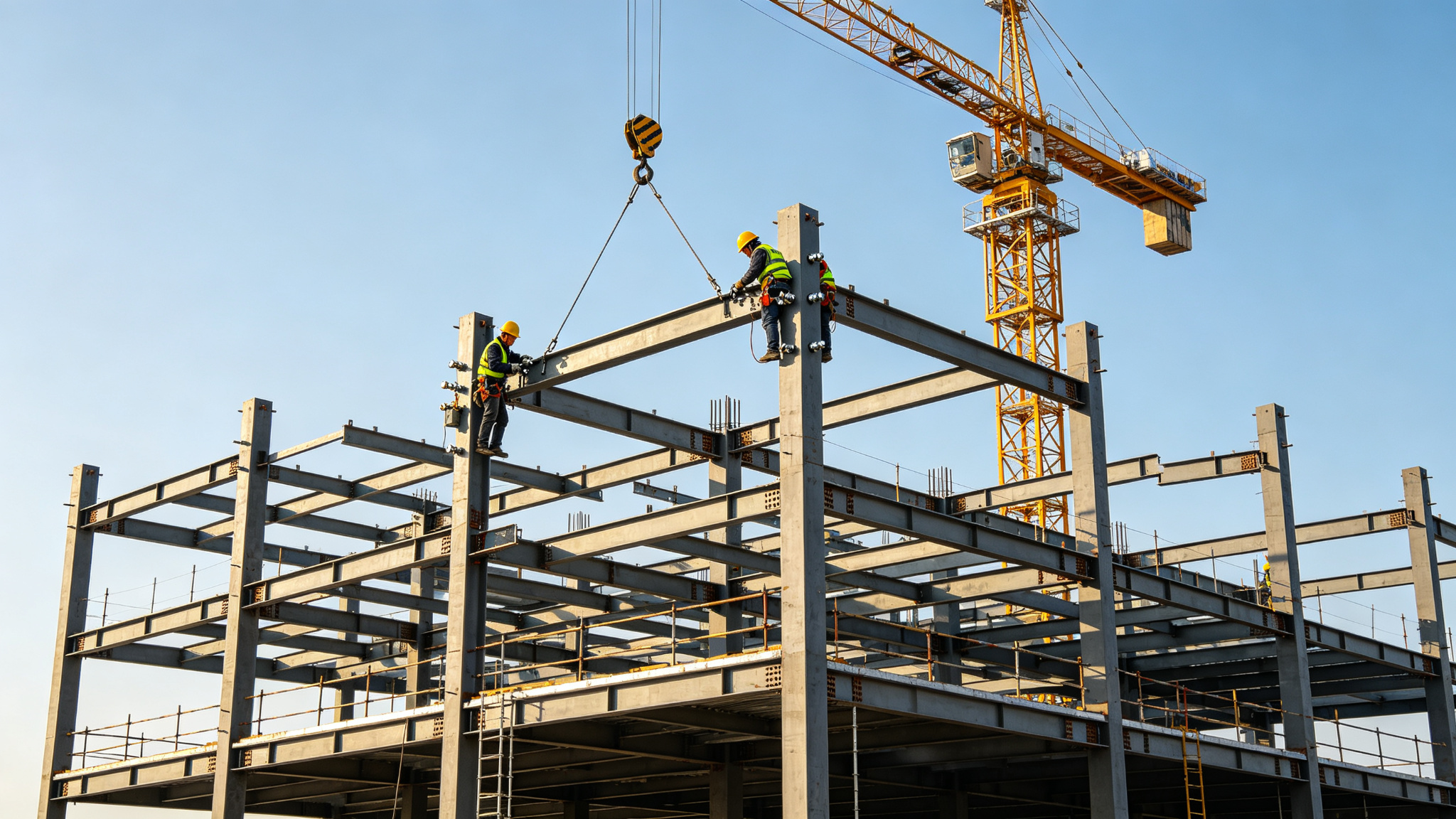
- Bolted connections for site assembly (end plates, splice plates, bolts)
- Minimal site welding only where absolutely required (base plate grouting, minor splices)
- Erection drawings showing bolt positions, sizes and torque requirements
This approach protects quality by doing the difficult welding in the factory and keeping site work simple.
What Buyers Should Ask Suppliers
- What percentage of connections are bolted vs welded on site?
- Are weld procedures qualified?
- What bolt grade is used (e.g., 10.9 / A325)?
- Are erection drawings showing bolt tightening requirements?
- Is high-strength bolt torque specified?
- Are field welds required, and who inspects them?
FAQ
Are bolted connections weaker than welded? Not inherently. Properly designed and installed bolted connections can be as strong as welded connections. The difference is in erection and inspection, not in structural capacity when correctly detailed.
Can we change all site welding to bolted? Most regular industrial frames can. Some heavy or seismic connections may require welding due to geometry or code requirements. An experienced engineer will balance both.
What bolt grade is common? Chinese standard often uses 10.9 high-strength bolts; international equivalents include A325 or A490. The grade depends on the connection design and applicable code.
Do we need a certified welder on site? If the design minimizes site welding, usually not. The contractor needs bolt tightening tools and crew familiar with steel erection. Site welding should be done by certified welders if required.
Have a project and want to understand connection details? Send your drawings or project requirements. We can explain how the frame will be bolted and what site work your local crew needs to prepare.