
Steel Structure Wind Load Design Guide
Wind load is one of the most critical horizontal loads in steel structure design. This guide explains what information is needed, how different structures respond to wind, and how overseas projects align with local building codes.
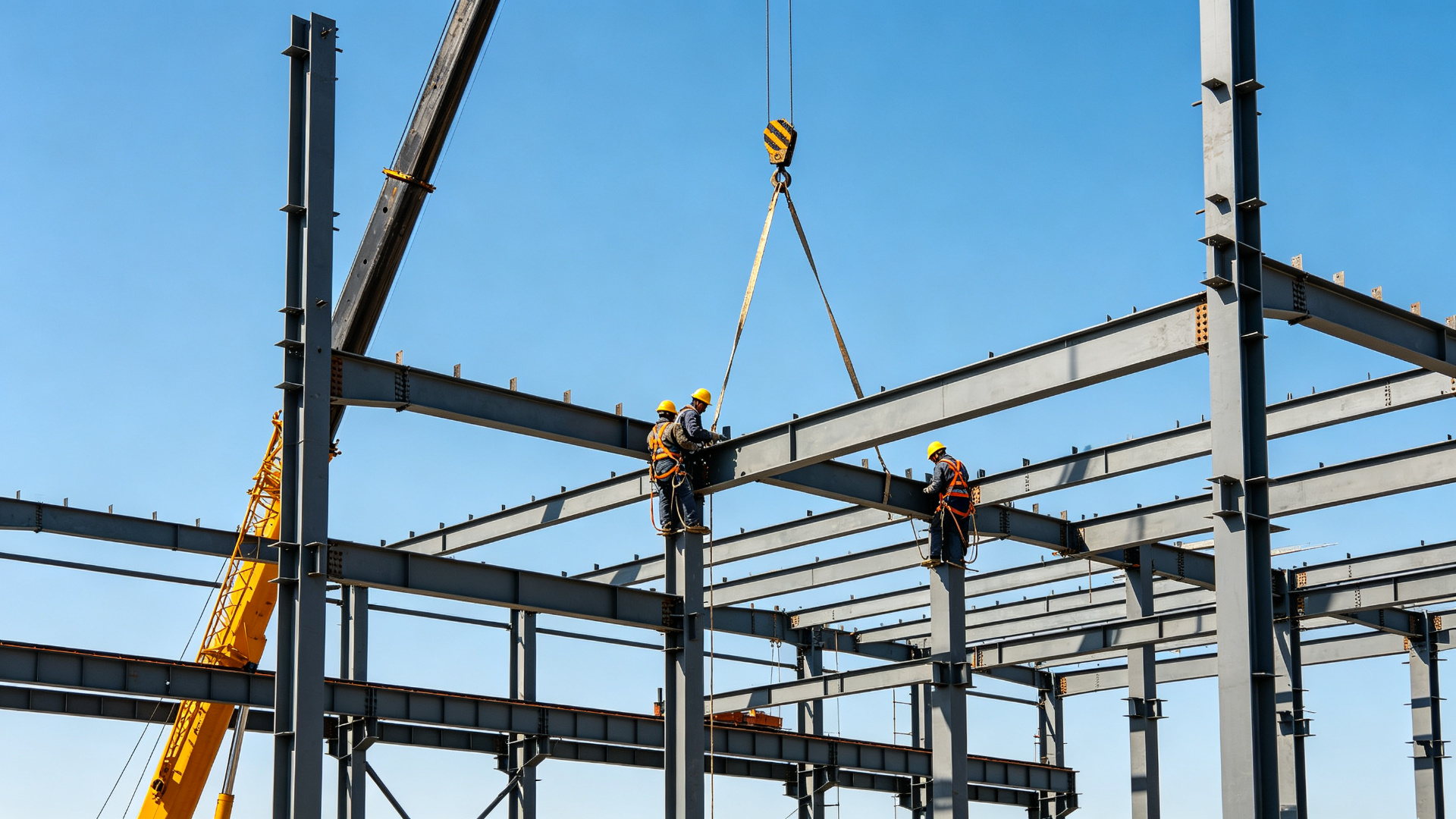
Wind load is one of the most critical horizontal loads in steel structure design. For portal frame buildings, warehouses, long-span structures, and tall structures, wind load often directly governs member sizes, foundation design, and structural safety. This guide shares practical insights from ZhongSai’s overseas project experience.
What Is Wind Load?
Wind load is not a fixed number. It depends on:
- Geographic location: Basic wind speeds vary significantly by country and region
- Building height and shape: Low-rise buildings and tall structures behave very differently
- Site conditions: Open terrain, urban environment, hillside, or coastal area
- Structural form: Portal frame, truss, space frame, or tall structure
- Construction stage: Wind during construction can sometimes be more critical than in service
What Information Is Needed
For a steel structure project, the engineering team typically needs:
Project Country and City
Different regions use different wind load codes:
- China: GB 50009 Load Code for the Design of Building Structures
- United States: ASCE 7
- Europe: Eurocode EN 1991-1-4
- Australia / New Zealand: AS/NZS 1170.2
- Other regions: local codes or owner-specified standards
Building Dimensions
- Length, width, height
- Eaves height and ridge height
- Roof slope
- Parapets, skylights, overhangs
Site Conditions
- Terrain roughness category
- Coastal, open field, or urban location
- Hillside or elevated site
Occupancy Category
Determined by building function and occupancy level.
Wind Load by Structure Type
Portal Frame Buildings
Portal frames are the most common industrial building form. Wind load produces:
- Positive pressure on windward walls
- Suction on leeward walls
- Uplift suction on roofs (critical for cladding and frame design)
- Local high pressure at corners and edges
For low-rise portal frame buildings, roof suction is often the governing load, especially on shallower roof slopes.
Warehouses and Logistics Centers
Warehouses typically feature:
- Large spans and column spacings
- Light roof self-weight
- Large wall and roof cladding areas
These structures are sensitive to wind, particularly:
- Diaphragm action of light steel structures
- Wind suction on purlins and girts
- Wind column design
Long-Span Structures
Long-span structures require attention to:
- Overall wind-induced vibration
- Pressure combinations on upper and lower surfaces
- Construction stage wind loads before full stiffness is achieved
Practical Issues in Overseas Projects
Local Codes vs. Chinese Codes
In ZhongSai’s overseas projects, common situations include:
- The client already has a local design institute’s preliminary design
- Local code wind load methods differ from Chinese codes
- Typhoon/cyclone-prone regions require additional consideration
Practice: ZhongSai’s engineering team reviews and recalculates wind loads according to the project’s applicable local codes. If the client provides wind load data, we use it directly.
Typhoon Regions
Southeast Asia, the Caribbean, and the U.S. Gulf Coast require special attention:
- Significantly higher basic wind pressure
- Cladding connection design
- Roof uplift resistance
- Member anchoring and bolted connections
Coastal Projects
Coastal projects require consideration beyond wind:
- Salt spray corrosion (related to coating)
- Wave splash zones
- Long-term effects of wind-driven moisture
Construction Stage Wind Load
Many designs only consider the service stage, but construction stage wind loads can be more critical:
- Before frames form full spatial rigidity
- Before base plate connections are completed
- Before roof and wall panels are installed
- Insufficient temporary bracing
In overseas delivery projects, ZhongSai’s installation documentation specifies:
- Installation sequence requirements
- Temporary bracing recommendations
- Wind speed conditions not suitable for installation
- Temporary securing measures
Wind Load and Cost
Wind load directly affects:
- Steel tonnage
- Foundation design
- Purlin and girt sizes
- Cladding connection methods
Over-conservative wind loads lead to:
- Increased steel tonnage
- Higher foundation costs
- Additional shipping and erection costs
Accurate wind load analysis optimizes cost while maintaining safety.
Common Questions
Q: What if the client has no wind load data?
A: We can estimate based on the project location, then adjust once the client confirms or the local design institute provides data. ZhongSai’s engineering team can recommend values based on project location.
Q: Is wind load the same across a country?
A: No. Wind load is location-specific. For example, values differ significantly between east and west coasts of Malaysia, or between different islands in Indonesia. The specific city is needed.
Q: Does wind load affect the steel structure quotation?
A: Yes. Different wind load values lead to different member sizes and tonnage, which affects overall cost. This is why ZhongSai needs to know the project location before quoting.
Q: Can steel structures withstand typhoons?
A: Yes, as long as design and construction follow the applicable codes. The key factors are accurate wind load values, rational member design, reliable connections, and proper construction.
Next Step
If you have an overseas steel structure project, share your project information. ZhongSai’s engineering team can review wind loads according to your project’s local code requirements.
CTA: Send your project drawings or basic project information (country, application, dimensions) for engineering review.