
Steel Structure Warranty and Defect Liability
A steel structure warranty usually covers agreed manufacturing and material defects, such as welding, fabrication or non-conforming members; the period and scope are set by the contract. It generally does not cover shipping damage, improper erection, poor site storage, later design changes, overload or lack of maintenance. Buyers should state the warranty scope, period, defect notice, evidence and remedy in the contract, inspect on arrival and keep records. ZhongSai confirms warranty terms in the contract rather than making open promises.
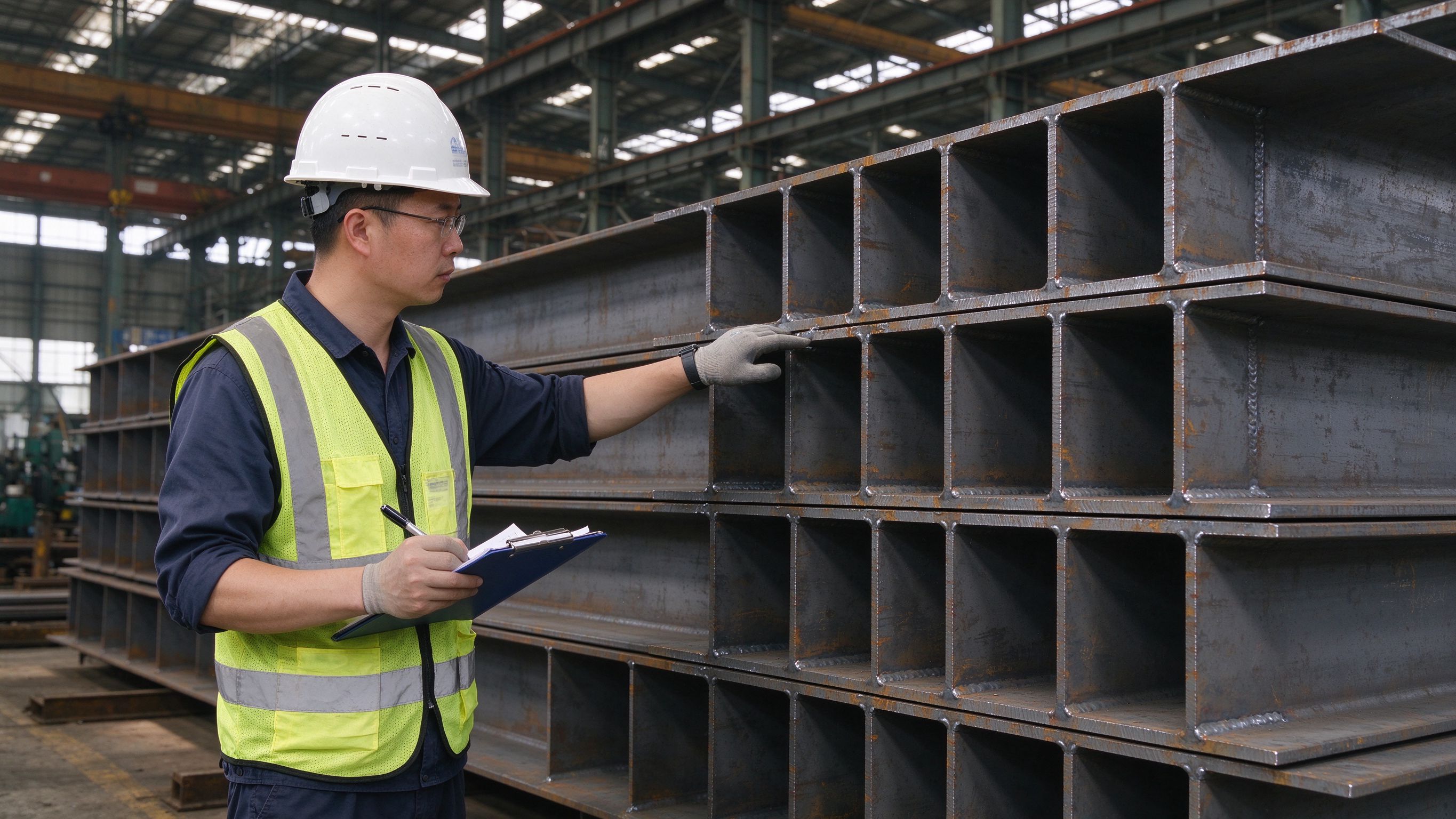
A steel structure warranty usually covers agreed manufacturing and material defects, such as welding, fabrication or non-conforming members; the period and scope are set by the contract. It generally does not cover shipping damage, improper erection, poor site storage, later design changes, overload or lack of maintenance. Buyers should state the warranty scope, period, defect notice, evidence and remedy in the contract, inspect on arrival and keep records. ZhongSai confirms warranty terms in the contract rather than making open promises.
This guide explains what a warranty does and does not cover, how the defect liability period works, how to raise a defect, and how to protect your rights.
What a warranty is and is not
A warranty is a written commitment to remedy agreed defects within an agreed period. It is not a guarantee against every problem, nor does it cover issues caused by transport, erection, storage or use after delivery.
What is usually covered and excluded
| Area | Usually covered by factory warranty | Usually excluded |
|---|---|---|
| Main structure | Members not matching approved drawings | Overload or unapproved change |
| Welding | Agreed welding defects | Damage during site erection |
| Fabrication | Incorrect drilling, cutting or marking | Improper site modification |
| Material | Non-conforming material with mill certificate | Wrong material substituted on site |
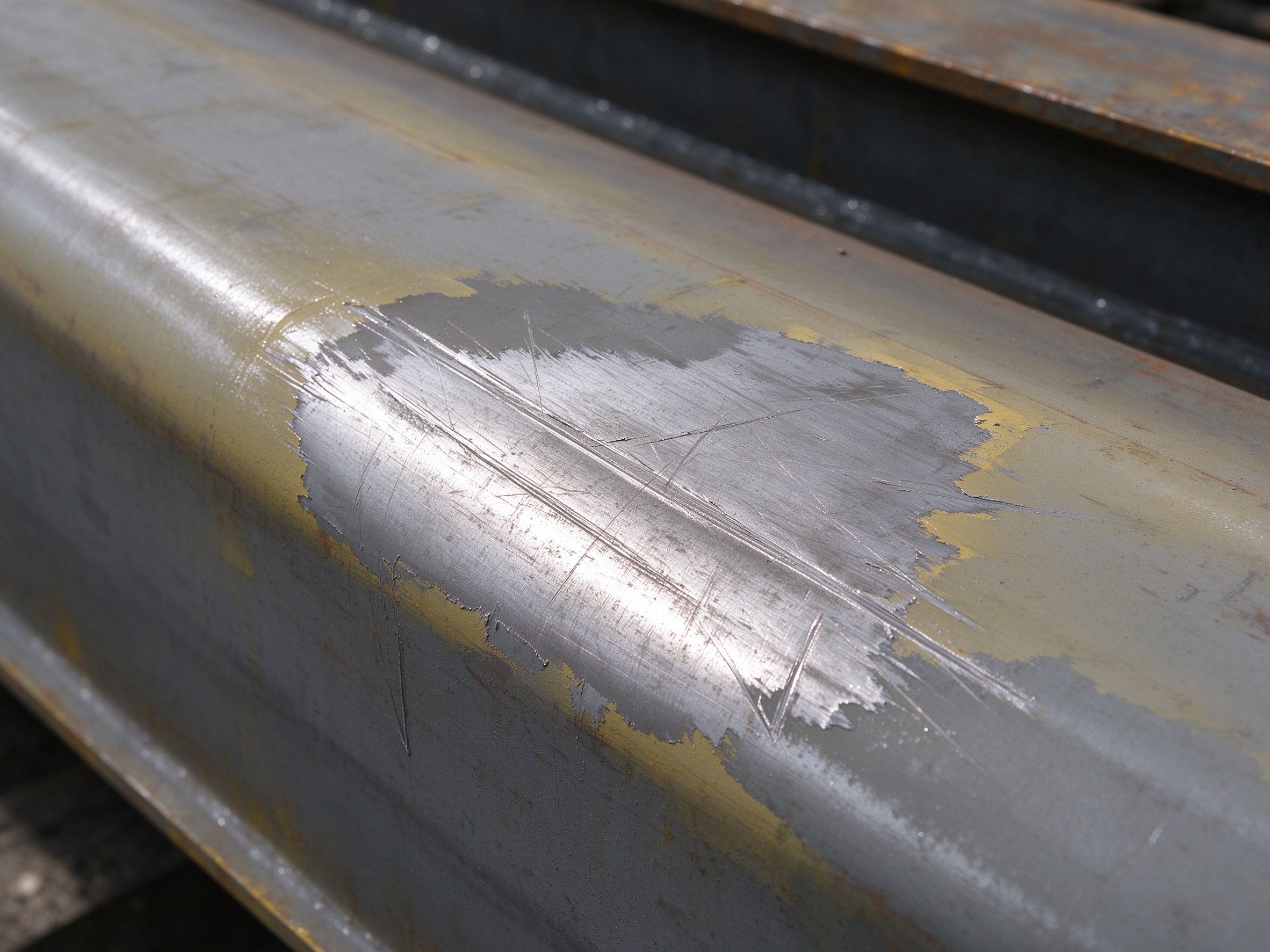
| Coating | Applied below agreed film thickness | Scratches or corrosion after delivery |
| Fasteners | Missing or non-conforming supplied parts | Parts lost or damaged on site |
| Transport | Per agreed Incoterms | Handled outside agreed terms |
| Storage | Not covered | Wet ground, no ventilation, long storage |
| Maintenance | Not covered | Lack of cleaning, drainage or touch-up |
The warranty period
There is no universal warranty period; it depends on the contract and may differ for the main structure, coating and accessories. The period, the start date and the conditions should be written in the contract rather than assumed.
Defect liability period
The defect liability period is the window after delivery or handover in which the supplier remains responsible for agreed defects. It is not a permit to delay inspection; defects should still be reported as soon as found.
How to raise a defect
- Stop using the affected part if it is unsafe
- Record the member mark and location
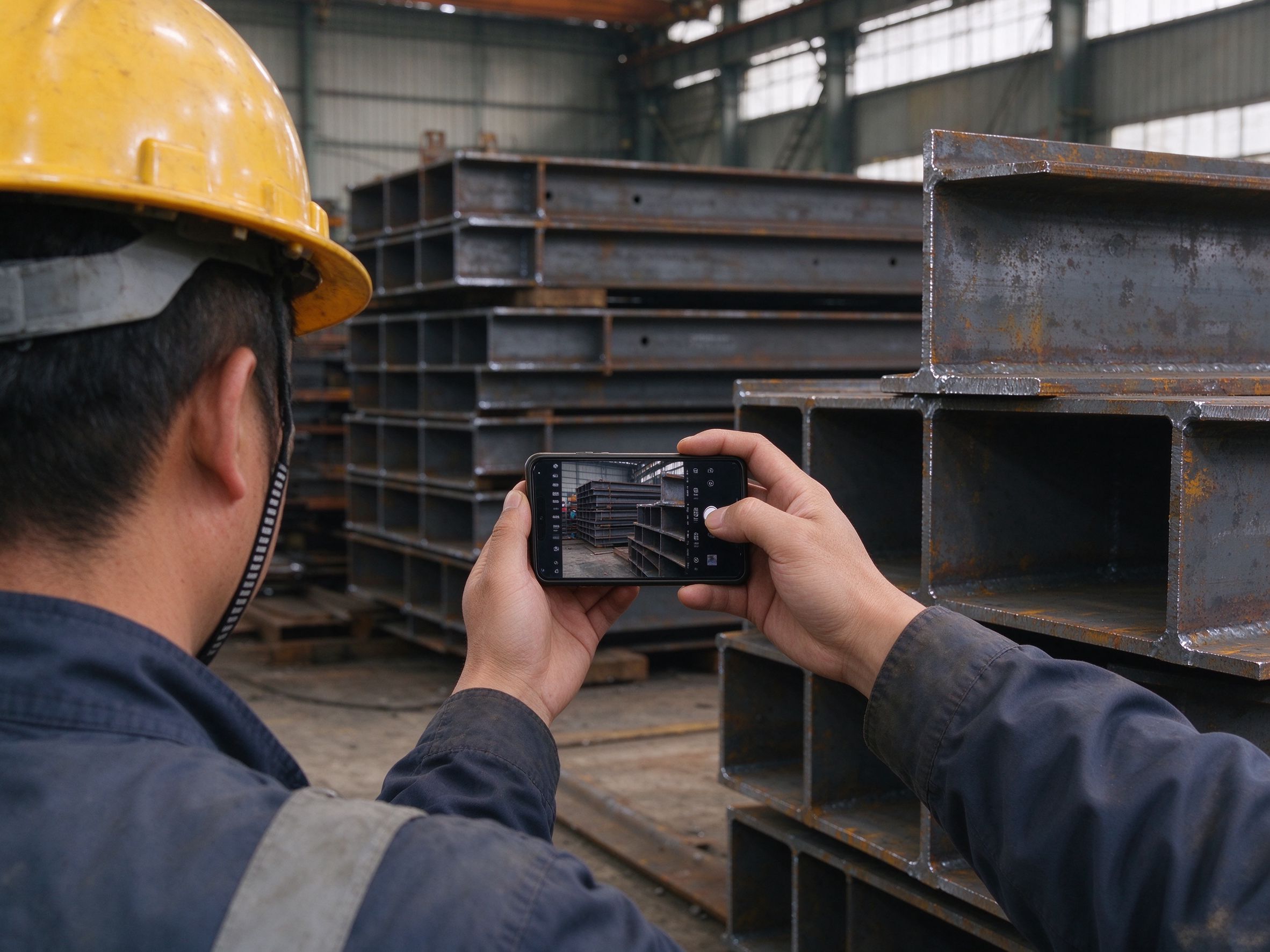
- Take dated photos and, if possible, video
- Gather the packing list, drawings and mill certificate
- Notify the supplier in writing with the evidence
- Agree the cause and remedy before acting
- Keep the replaced parts and records until resolved
Factory, shipping, site or use: the cause matters
| Cause | Typical responsibility |
|---|---|
| Welding, fabrication or material | Supplier, if agreed in scope |
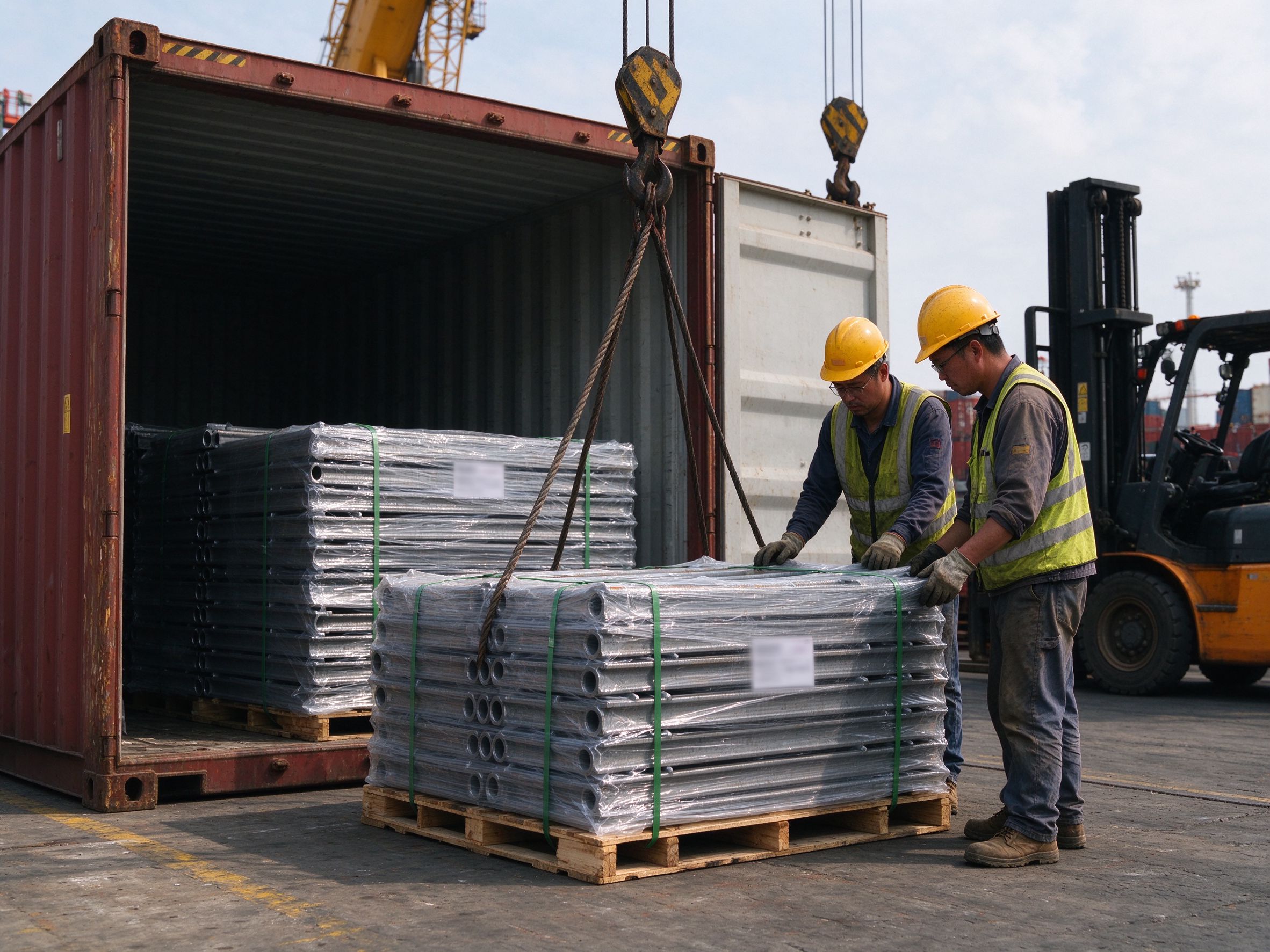
| Shipping damage | Per Incoterms and inspection records |
| Missing or wrong parts | Per packing list and count on arrival |
| Site erection damage | Local erection party |
| Poor storage or foundation | Local party |
| Overload or unapproved change | Owner/designer |
| Lack of maintenance | Owner |
How buyers protect warranty rights
- Inspect on arrival and note damage on the delivery record
- Photograph packing, marks and any defects before unpacking
- Store members off the ground, dry and ventilated
- Follow the approved erection drawings
- Keep mill certificates, packing lists and messages
- Report defects promptly and in writing
- Do not modify or weld members without agreement
- Carry out the agreed maintenance
Common disputes
- Coating scratches after unloading versus before delivery
- Bent members from lifting or site handling
- Missing parts not checked against the packing list
- Rust after prolonged outdoor storage
- Damage caused by unapproved site welding or cutting
A dated record at arrival is the clearest way to separate these causes.
Responsibility boundary
| Stage | ZhongSai | Buyer / local party |
|---|---|---|
| Contract | State warranty scope, period and remedy | Confirm terms before signing |
| Fabrication | Build to approved drawings and QC | Approve drawings promptly |
| Documents | Provide marking, packing list and certificates | Keep documents on file |
| Arrival | Support review per agreed terms | Inspect and count on delivery |
| Storage | Provide guidance | Dry, ventilated, off-ground storage |
| Erection | Provide technical guidance | Local labour, crane and engineer |
| Defect | Agree remedy for confirmed factory defects | Report with evidence; do not alter first |
Buyer checklist
- Warranty scope and period are written in the contract
- Start date and conditions are stated
- Coating and accessory terms are clear
- Inspection is done on arrival
- Defects are photographed with dates
- Packing list is checked against the delivery
- Storage is dry, ventilated and off the ground
- Notices are written and records kept
FAQ
What does a steel structure warranty cover?
Usually agreed manufacturing and material defects, such as welding, fabrication or non-conforming members; the contract defines the scope.
How long is the warranty?
There is no universal period; it depends on the contract and may differ for the structure, coating and accessories.
Is shipping damage covered?
It depends on the agreed Incoterms and the arrival inspection record.
Is rust during site storage covered?
Usually not if it results from poor storage; members should be kept dry, ventilated and off the ground.
What should I do when I find a defect?
Stop use if unsafe, record the mark and location, take dated photos, gather documents and notify the supplier in writing.
Are erection mistakes covered?
Damage from site erection is generally the local erection party’s responsibility.
Do I need to inspect before unpacking?
Yes; photograph packing and marks and check against the packing list to separate delivery damage from site damage.
Will unapproved changes void the warranty?
Changes made without agreement can remove responsibility for the affected parts.
Need clear warranty terms in your contract?
Send your project drawings and requirements; ZhongSai will confirm the warranty scope and defect process in writing.