
Theoretical vs Actual (Weighbridge) Steel Weight
When steel is priced by weight, the theoretical weight (calculated from section size and nominal density) and the actual weighbridge weight rarely match exactly. The difference comes from mill tolerances, positive or negative section deviation, welds and stiffeners, coating and surface condition. The contract must state which weight basis is used for settlement, how any weight difference is handled, and whether negative tolerance is allowed; ZhongSai states the weight basis and weighing records on the quotation and packing list. There is no fixed global figure for the weight difference — it depends on the standard, section size and tolerance, so a fixed number cannot be applied.
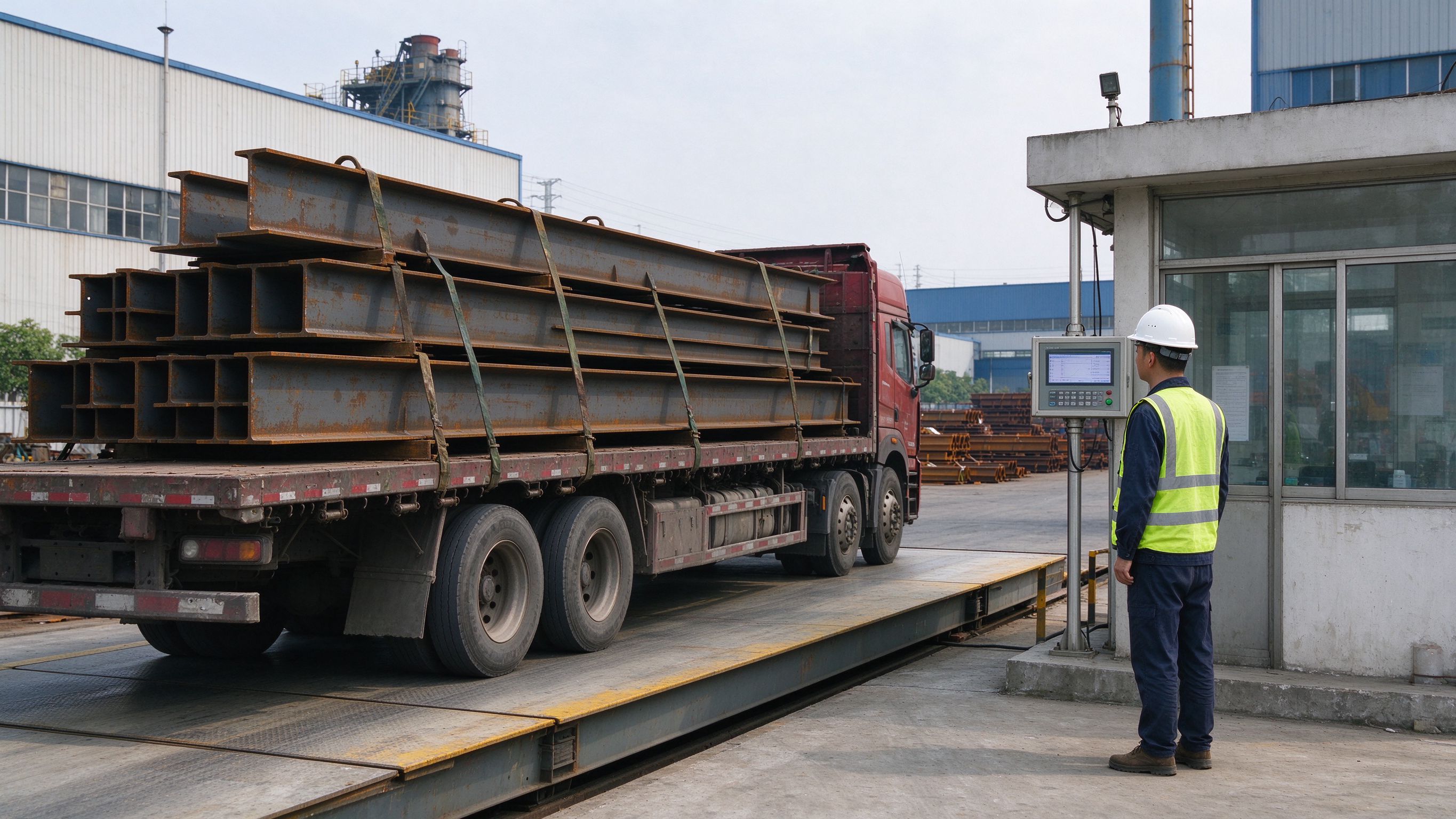
When steel is priced by weight, the theoretical weight (calculated from section size and nominal density) and the actual weighbridge weight rarely match exactly. The difference comes from mill tolerances, positive or negative section deviation, welds and stiffeners, coating and surface condition. The contract must state which weight basis is used for settlement, how any weight difference is handled, and whether negative tolerance is allowed; ZhongSai states the weight basis and weighing records on the quotation and packing list. There is no fixed global figure for the weight difference — it depends on the standard, section size and tolerance, so a fixed number cannot be applied.
This guide explains the two weight bases, why they differ, and how to agree them so the tonnage invoice is not disputed.
Two ways to state steel weight
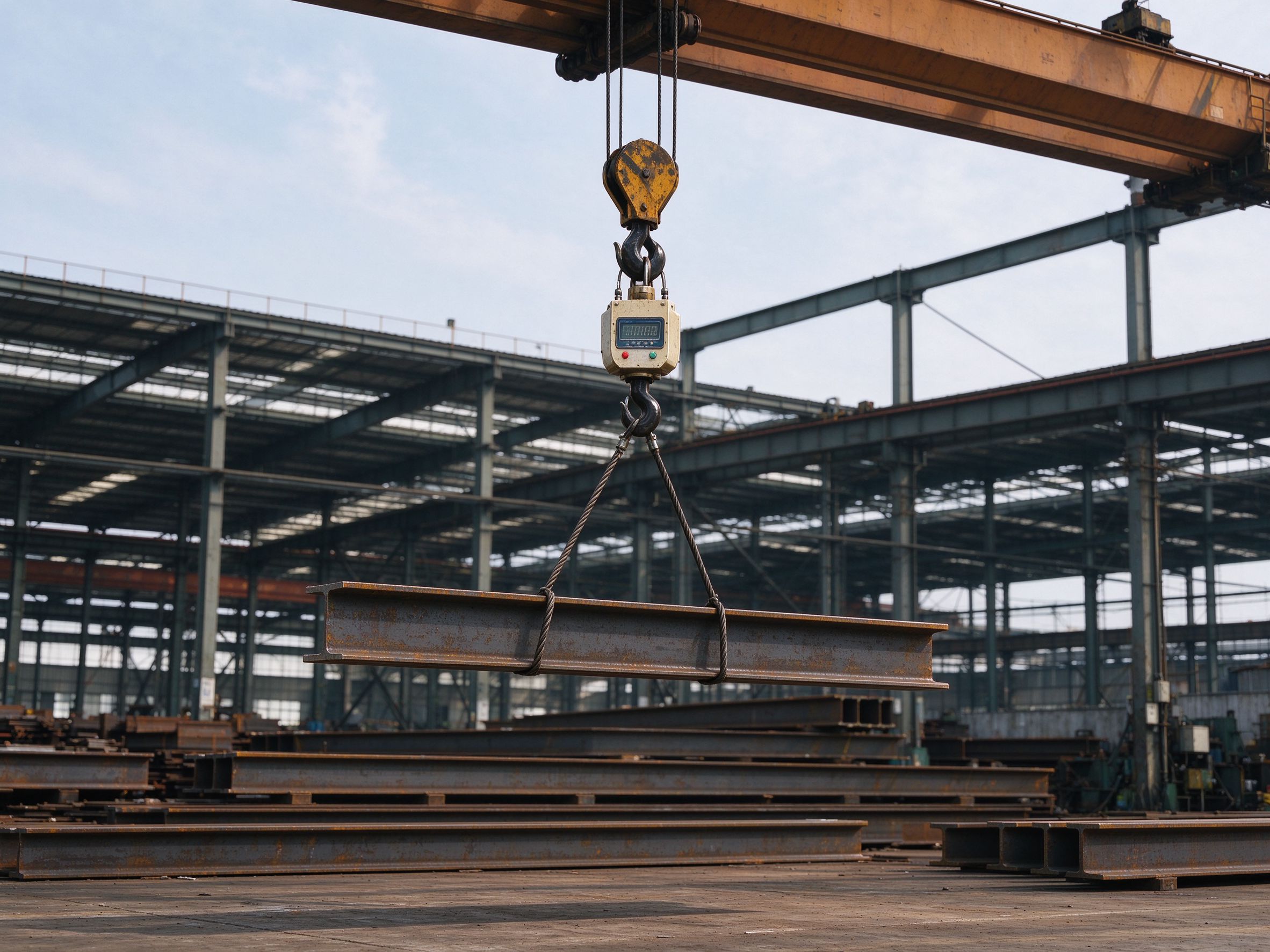
Theoretical weight is calculated from the nominal section dimensions and a standard density, using section tables or the formula for each profile. Actual (weighbridge) weight is the physical reading from a calibrated scale — a truck scale for the full load, or a crane scale for individual members.
| Basis | How it is obtained | Characteristics | Typical use |
|---|---|---|---|
| Theoretical | Section size × nominal density | Repeatable, independent of the specific batch | Quotations, drawings, steel take-off |
| Weighbridge | Calibrated platform or crane scale | Reflects the actual delivered steel | Delivery and settlement by actual tonnage |
Why the two figures differ
| Factor | Effect on weight |
|---|---|
| Mill rolling tolerance | Section dimensions vary within the standard; can be above or below nominal |
| Positive / negative tolerance | Material produced to the lower side weighs less per metre |
| Welds and stiffeners | Built-up members add weld metal, plates and stiffeners |
| Coating | Paint, galvanizing or fire protection add a small amount |
| Surface condition | Scale, moisture and residual contamination affect readings |
| Cutting and fabrication | Coped ends, holes and openings remove material |
For welded built-up members (plate girders, box columns), the theoretical weight should include the actual plates, welds and stiffeners, not only the parent section.
Mill tolerance and negative tolerance
Steel sections are produced within dimensional and mass tolerances defined by the applicable standard. Some supply is produced to the lower side of the tolerance — often called “negative tolerance” — so the actual weight per metre is slightly below the nominal value. This is permitted within the standard, but a buyer settling by actual weight should know whether the order is priced on theoretical or actual tonnage and whether the mill certificates indicate the delivered section. The allowable tolerance is not a fixed global number; it depends on the standard and the section size.
How to agree the weight basis
- State in the contract whether price and settlement are by theoretical or actual weight
- Require the weight basis and unit rate to match the quotation and proforma invoice
- For weighbridge settlement, agree who weighs, the scale, and whether a re-weigh is allowed
- Attach weighing records (scale tickets) to the packing and shipping documents
- Agree how a weight difference beyond a stated tolerance is resolved before payment

Common disputes
- Negative tolerance surprise: priced by theoretical weight but the delivered steel sits at the lower tolerance
- Coating included or not: disagreement over whether paint or galvanizing is counted
- No re-weigh clause: a single reading cannot be verified at destination
- Different basis across documents: quotation uses theoretical, invoice uses actual
- Built-up members understated: welds and stiffeners left out of the theoretical take-off
Responsibility boundary
| Stage | ZhongSai | Buyer / local party |
|---|---|---|
| Quotation | State weight basis and rate clearly | Confirm theoretical or actual settlement |
| Fabrication | Calculate weight from drawings and built-up members | Provide design and tolerance requirements |
| Weighing | Provide scale records where actual weight is agreed | Arrange independent re-weigh if contracted |
| Documents | Show weight on packing list and invoice | Verify totals against the delivery |
| Settlement | Support weight-related queries | Reconcile tonnage before payment |
Buyer checklist
- Contract states theoretical or actual weight basis
- Unit rate and weight basis match across quotation, PI and invoice
- Mill tolerance and negative tolerance position understood
- Built-up members include plates, welds and stiffeners
- Coating treatment agreed (counted or not)
- Weighbridge / crane scale and re-weigh procedure agreed
- Scale tickets attached to shipping documents
- Delivered tonnage reconciled before final payment

FAQ
What is the difference between theoretical and actual steel weight?
Theoretical weight is calculated from nominal section size and density; actual weight is measured on a calibrated scale. They differ because of mill tolerance, section deviation, welds, stiffeners and coating.
Which weight basis should be used for payment?
Whichever basis is agreed in the contract — both are used in practice. The key is to use the same basis across the quotation, invoice and settlement.
What is negative tolerance?
It is steel produced to the lower side of the standard dimensional tolerance, so the actual weight per metre is slightly below nominal while still complying with the standard.
Is there a fixed percentage for the weight difference?
No — the difference depends on the standard, section size, fabrication and coating, so a fixed global percentage should not be assumed.
Do welds and coatings count in the weight?
It depends on the contract. Built-up members normally include plates, welds and stiffeners in the theoretical take-off; whether paint or galvanizing is counted should be stated.
Can I re-weigh the steel at destination?
Only if the contract allows it. Agree the scale type, who attends and how differences are resolved before shipment.
How is weight shown on export documents?
The packing list and commercial invoice typically show per-package and total weight; weighbridge tickets can be attached where settlement is by actual tonnage.
Why does a built-up member weigh more than the section table?
A plate girder or box column includes flanges, webs, stiffeners and weld metal, so its weight is calculated from the actual plates rather than a single rolled section.
Planning an export steel order?
Send the project drawings and the preferred weight basis; ZhongSai can confirm the tonnage method, the document pack and the weighing records before quotation.