
Are Steel Buildings Sustainable?
Steel buildings can be a sustainable choice because steel can be recycled repeatedly without loss of properties, components can be designed for dismantling and reuse, and factory fabrication produces less site waste. Sustainability still depends on the material source, coating, design life, production energy and local code, so it is not guaranteed by the material alone.
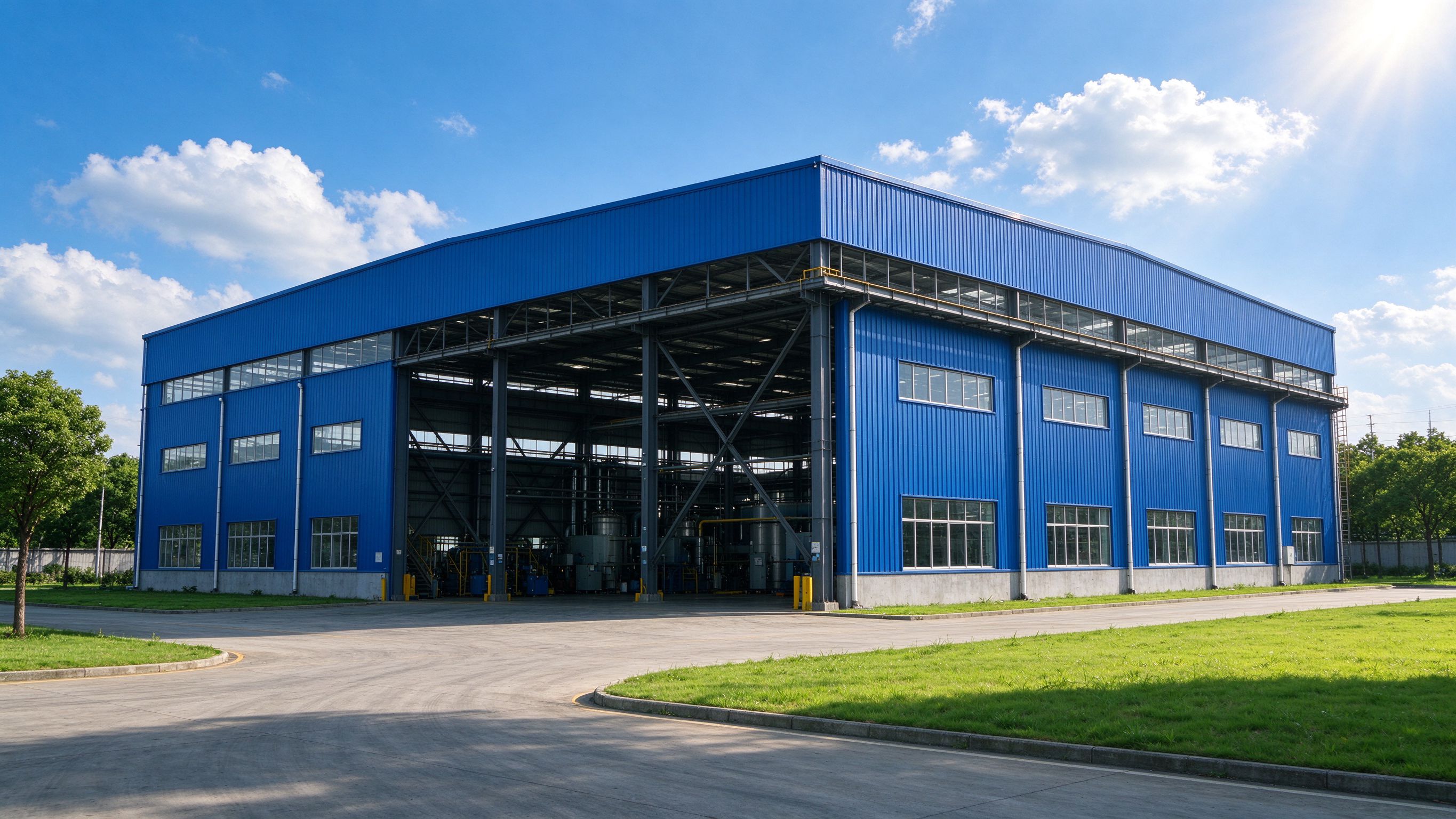
Steel buildings can be a sustainable choice because steel can be recycled repeatedly without loss of properties, components can be designed for dismantling and reuse, and factory fabrication produces less site waste. Sustainability still depends on the material source, coating, design life, production energy and local code, so it is not guaranteed by the material alone.
This guide explains recycling, reuse, recycled content and design for dismantling.
Recycling and reuse are different
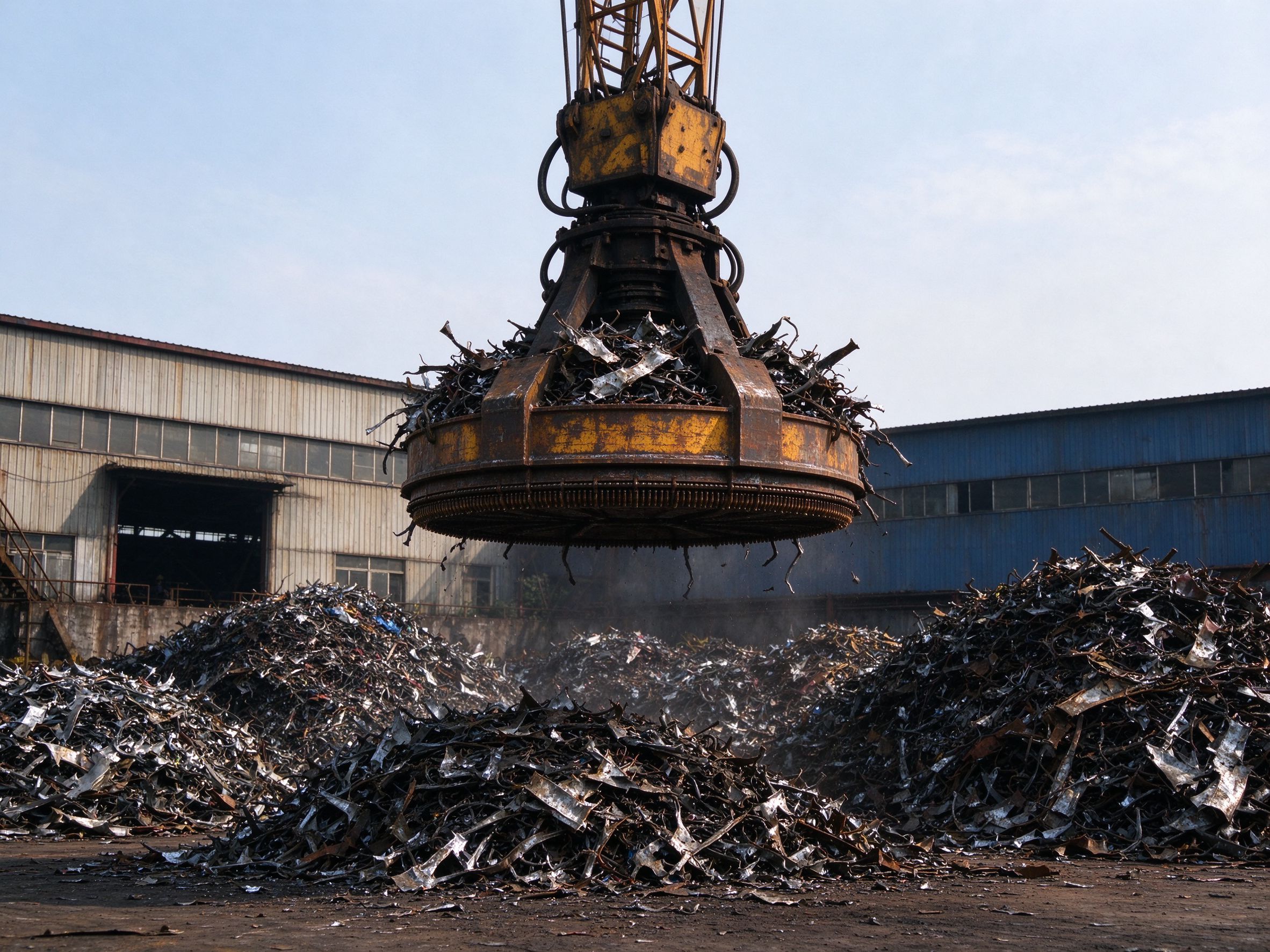
Recycling melts steel down to make new steel. Reuse takes a dismantled member and uses it again without melting. Both reduce demand for primary material, but reuse also keeps the energy already spent on fabrication.
Recycled content
Steel can contain recycled scrap, and steel can be recycled repeatedly. The exact recycled content varies by mill and source, so it should be confirmed with the material supplier rather than assumed from a fixed percentage.
Design for dismantling
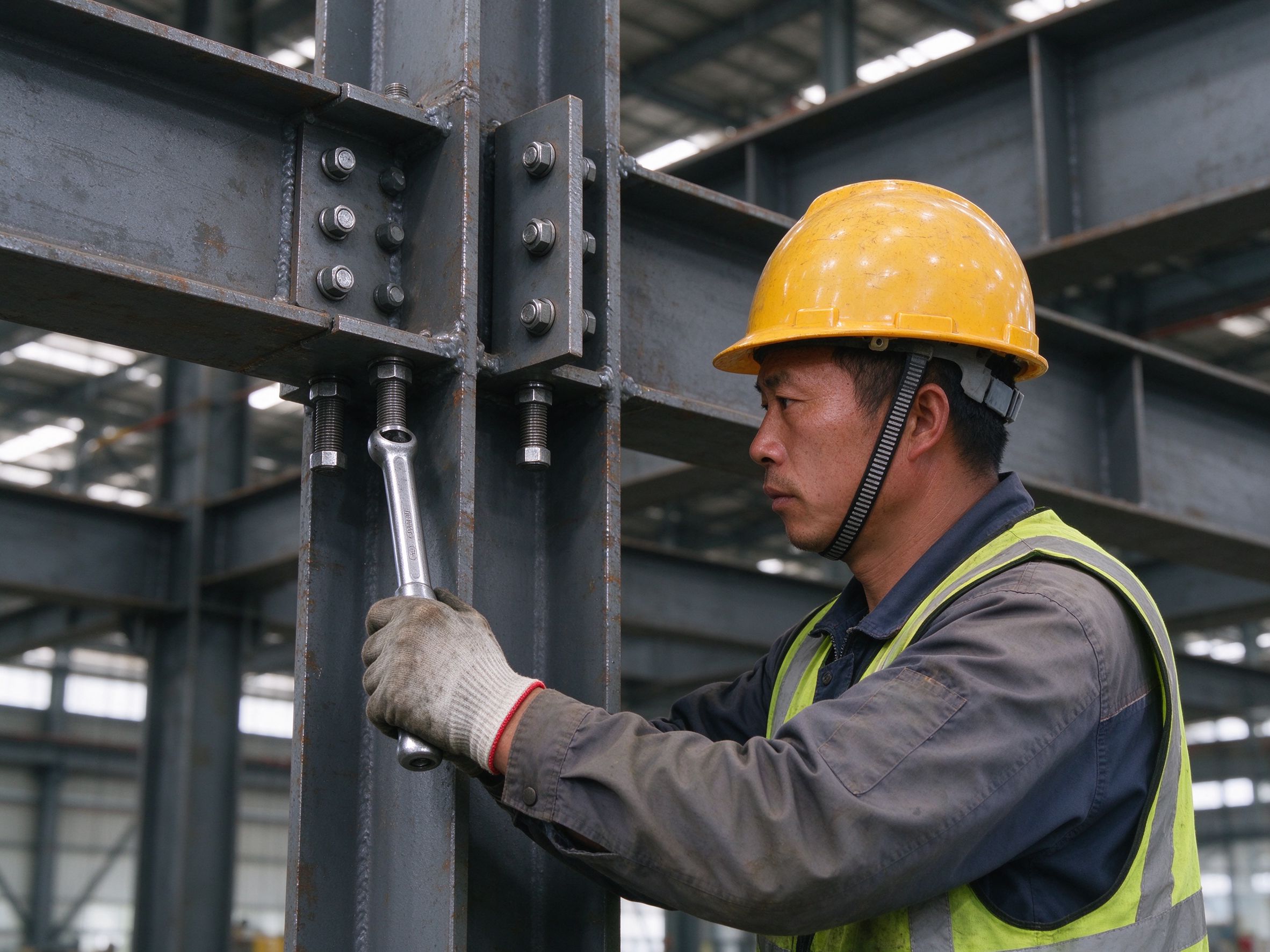
Bolted connections, marked members and clear records make a building easier to take apart and reuse. Site welding and permanent fixings make dismantling harder.
Material efficiency
Steel is strong relative to its weight, so frames can use less material and lighter foundations than heavier systems for the same spans. The actual saving depends on the design, loads and spans.
Less site waste
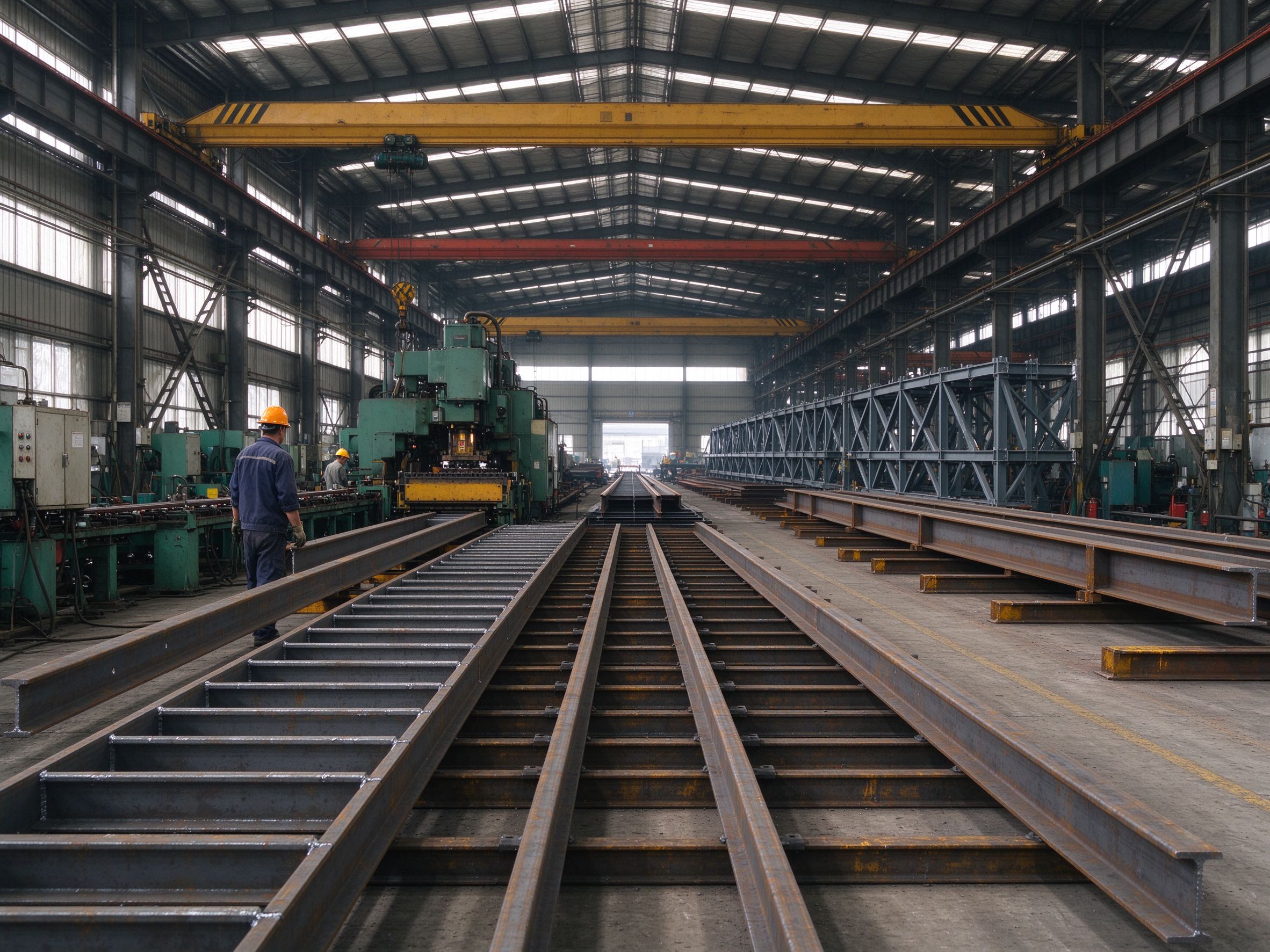
Factory-cut and factory-drilled components produce less on-site cutting and packaging waste than fully site-built methods. Offcuts and packaging should still be separated for recycling.
Long life and adaptability
A protected, maintained steel frame can have a long service life, and bolted buildings can be extended or reconfigured. Life depends on the coating, environment, maintenance and use.
What depends on what
Sustainability depends on the material source, recycled content, production energy, coating system, design life, transport and the local code. These should be checked against the project requirements rather than a single universal claim.
Responsibility boundary
| Stage | ZhongSai | Buyer / local party |
|---|---|---|
| Material | Coordinate steel and coating supply | Confirm any recycled-content or green requirements |
| Detailing | Use bolted connections and marks | Review for dismantling if required |
| Fabrication | Cut and drill in the manufacturing bases | Record members for future reuse |
| End of life | Provide member records | Arrange local dismantling and recycling |
| Certification | Provide material documents | Submit to any green certification scheme |
Checklist
- Green or recycled-content requirements are stated
- Material source and documents are confirmed
- Bolted connections are used where reuse matters
- Members are marked and recorded
- Coating allows the intended service life
- Site waste and packaging are separated
- Transport and production energy are considered
- Local code and certification are checked
FAQ
Is steel recyclable?
Yes, steel can be recycled repeatedly without loss of properties.
What is the difference between recycling and reuse?
Recycling melts the steel; reuse uses a dismantled member again.
Can a steel building be dismantled?
Bolted, marked frames are easier to dismantle and reuse than welded ones.
What is recycled content?
The share of scrap used to make new steel; it varies by mill and source.
Do steel buildings produce less site waste?
Factory fabrication reduces on-site cutting, but packaging still needs sorting.
Is steel automatically sustainable?
No, it also depends on source, energy, coating, life and transport.
What is design for dismantling?
Detailing connections and marks so members can be removed and reused.
Who confirms recycled content?
The material supplier, with the relevant mill documents.
Planning a project with green or recycled-content requirements?
Send your project drawings and requirements; ZhongSai will coordinate bolted connections, material documents and member records to match the design.