
Demurrage, Detention and Port Storage Charges
Demurrage, detention and port storage charges arise when cargo is not cleared, collected or the container returned within the free time at the destination port. They accrue daily and are usually the buyer's responsibility under the agreed Incoterms, unless caused by the supplier's documents. The most effective way to avoid them is complete documents, early clearance, prompt pickup and fast container return. Free days and rates vary by port and carrier, so confirm them rather than assume fixed values.
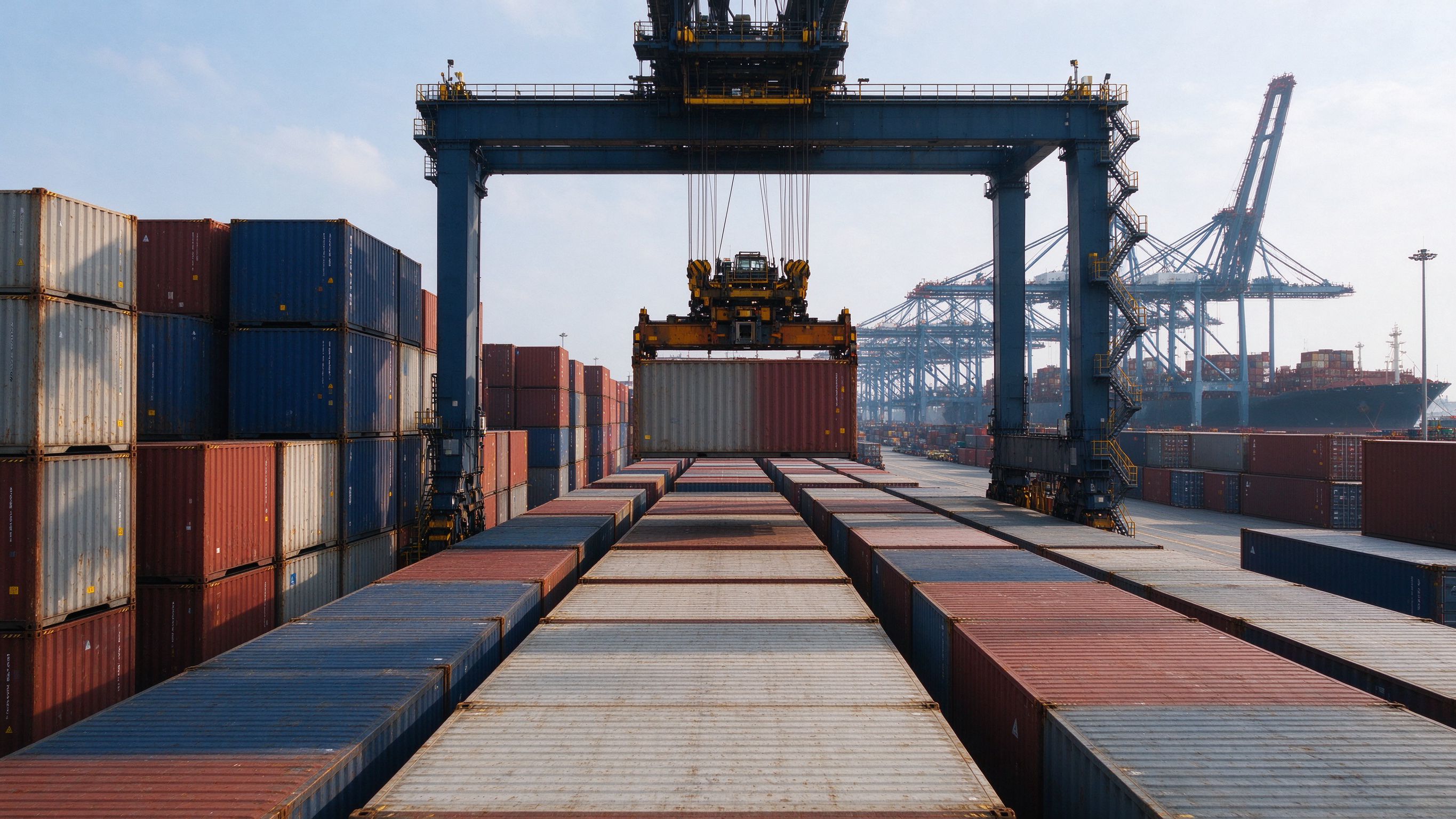
Demurrage, detention and port storage charges arise when cargo is not cleared, collected or the container returned within the free time at the destination port. They accrue daily and are usually the buyer’s responsibility under the agreed Incoterms, unless caused by the supplier’s documents. The most effective way to avoid them is complete documents, early clearance, prompt pickup and fast container return. Free days and rates vary by port and carrier, so confirm them rather than assume fixed values.
This guide explains the three charges, how they are triggered, who usually pays, and how to avoid them.
The three charges
Exact terms vary by port and carrier, so check the local rules.
- Demurrage is charged when a loaded container stays at the terminal beyond the free period before pickup.
- Detention is charged when the container is not returned within the free period after pickup, including a late empty return.
- Port storage is charged by the terminal or depot for occupying space.
Free time and billing
There is usually a free period, but its length and the daily rate are set by the carrier, port and contract; they vary by destination and cannot be assumed. Charges accrue per day and per container, and the rate may rise the longer the cargo remains.
How the charges differ
| Charge | Charged by | Triggered when | Typical payer |
|---|---|---|---|
| Demurrage | Carrier/terminal | Loaded box not collected in free time | Buyer |
| Detention | Carrier | Box not returned in free time | Buyer |
| Port storage | Terminal/depot | Cargo occupies space beyond free time | Buyer |
Why they happen
- Incomplete or incorrect clearance documents
- Duties or fees not paid on time
- Missing import licence, permit or certificate
- Buyer not arranging inland transport
- Customs inspection or port congestion
- No one available to collect the cargo
Who usually pays
Under common import terms, clearance and collection after arrival are the buyer’s responsibility, so these charges normally fall on the buyer. If they are caused by the supplier’s late or incorrect documents, the buyer may recover them under the contract. Carrier or port causes, such as congestion, are handled according to the contract and local rules.
How to avoid the charges
- Confirm all documents are complete and correct before shipment
- Arrange any import licence, quota or certificate in advance
- Contact the clearance agent before the vessel arrives
- Pay duties and fees promptly
- Unpack and return the container quickly after pickup
- State free time and charge responsibility in the contract
- Track the vessel and arrival dates
If charges have already started
Collect the cargo as soon as possible to stop the daily accrual, check the invoice against the records, identify the cause to assign responsibility, and keep the documents and correspondence.
Responsibility boundary
| Stage | ZhongSai | Buyer / local party |
|---|---|---|
| Documents | Provide correct export documents | Confirm import requirements |
| Shipment | Coordinate export and booking | Track vessel and arrival |
| Clearance | Support document queries | Arrange licence, clearance and duties |
| Pickup | Provide arrival guidance | Collect cargo within free time |
| Return | Advise on unpacking | Return container within free time |
| Charges | Resolve if caused by supplier documents | Pay promptly; recover if another party is at fault |
Buyer checklist
- Free time and daily rate are confirmed
- Import documents are complete and correct
- Licence, permit and certificates are ready
- Clearance agent is engaged before arrival
- Duties are arranged
- Inland transport is booked
- Container return is planned
- Charge responsibility is stated in the contract

FAQ
What is demurrage?
A charge when a loaded container is not collected within the free period at the terminal.
What is detention?
A charge when the container is not returned within the free period after pickup, including a late empty return.
What is port storage?
A charge by the terminal or depot for occupying space beyond the free period.
Who usually pays these charges?
Usually the buyer under common import terms, unless the supplier’s documents caused the delay.
How many free days do I get?
There is no fixed number; it depends on the carrier, port and contract.
How are the charges billed?
They accrue per day and per container, and may increase over time.
Can I recover charges caused by wrong documents?
If the supplier’s documents caused the delay, you may recover them under the contract.
What should I do once charges start?
Collect the cargo quickly to stop accrual, check the invoice and identify the cause.
Planning an import and want the documents right?
Send your project drawings and requirements; ZhongSai will coordinate the export documents and arrival guidance in writing.