
How to Read a Mill Test Certificate for Steel Structures
A mill test certificate (MTC), usually issued under EN 10204, is the document that proves the steel grade, chemical composition and mechanical properties of the material match the order and the standard. Type 3.1 is issued independently by the manufacturer; Type 3.2 adds third-party witnessed inspection. Acceptance hinges on tracing the heat number on the certificate to the physical steel, confirming the grade against the order and drawings, and checking the chemical and mechanical values against the standard — those values are specific to the steel grade and standard, not fixed global numbers. ZhongSai has built steel structures for 20 years and focused on exports for 15, and coordinates MTC documentation for the steel structures it fabricates.
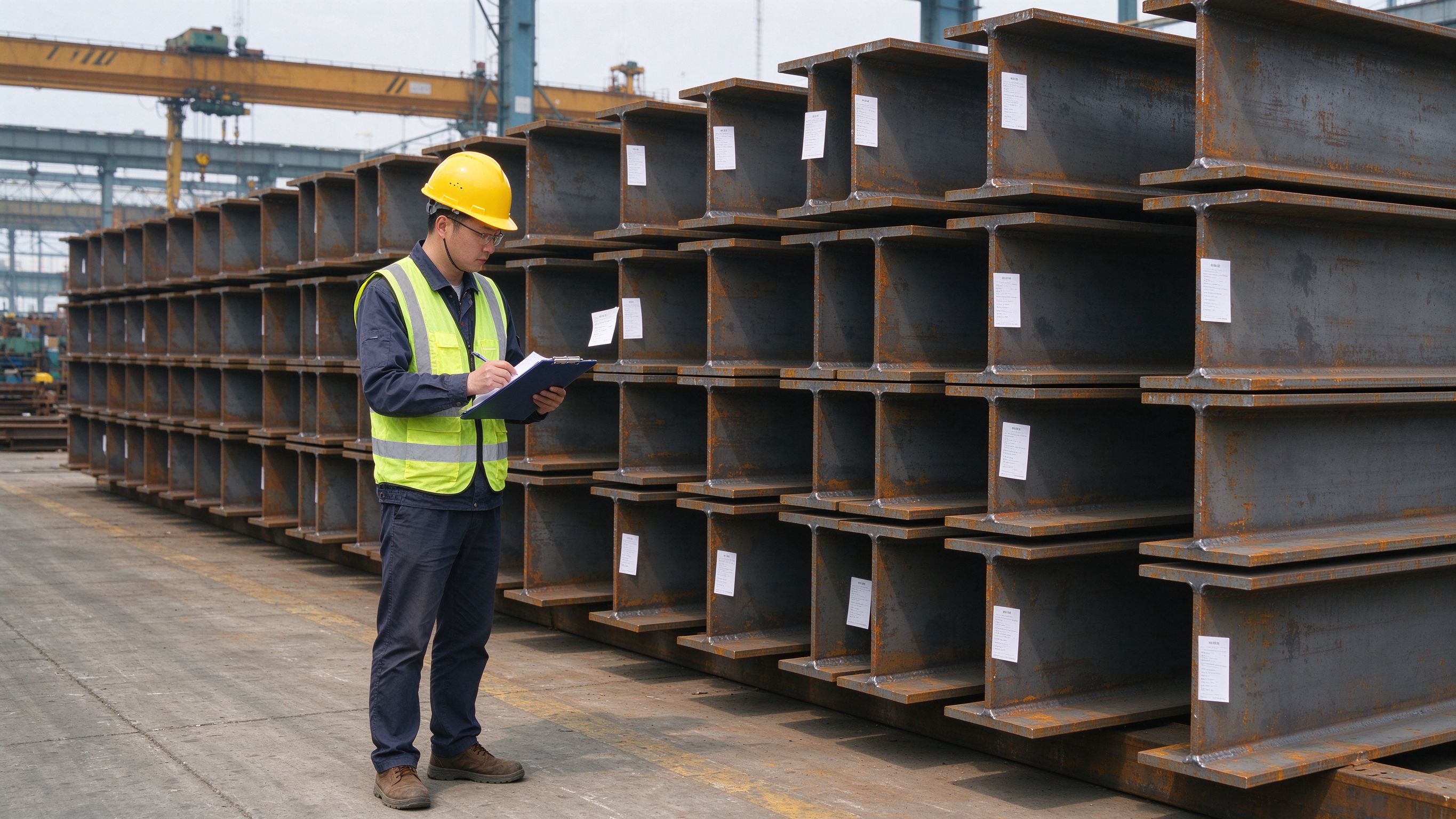
A mill test certificate (MTC), usually issued under EN 10204, is the document that proves the steel grade, chemical composition and mechanical properties of the material match the order and the standard. Type 3.1 is issued independently by the manufacturer; Type 3.2 adds third-party witnessed inspection. Acceptance hinges on tracing the heat number on the certificate to the physical steel, confirming the grade against the order and drawings, and checking the chemical and mechanical values against the standard — those values are specific to the steel grade and standard, not fixed global numbers. ZhongSai has built steel structures for 20 years and focused on exports for 15, and coordinates MTC documentation for the steel structures it fabricates.
This guide explains what an MTC is, the difference between EN 10204 3.1 and 3.2, the fields to read, and how to verify certificates against the steel you receive.
What is a mill test certificate?
A mill test certificate is a material document issued by the steel mill that reports the actual tested results of a heat (a single production batch of steel). It links the delivered material to a heat number, the applicable standard, the grade, the dimensions, and the tested chemical and mechanical properties. Fabricators typically collect the mill certificates for the steel they buy and pass them on in the project’s material documentation pack.
MTCs are referenced under different names in different standards: mill test report (MTR), mill certificate, or inspection certificate. For European projects, EN 10204 defines the inspection document types.
EN 10204 Type 3.1 vs Type 3.2
| Factor | Type 3.1 | Type 3.2 |
|---|---|---|
| Issued by | Manufacturer’s independent quality department | Manufacturer + the manufacturer’s or an independent third-party authorized inspector |
| Independence | Independent of the production function | Independently witnessed/verified |
| Tests | Performed on the delivered batch per the order | Same, with third-party witness or verification |
| Common use | Most structural steel orders | Projects requiring independent inspection authority |
| Cost/time | Standard | Adds inspection cost and time |
Which type is required depends on the project specification, the local authority and the contract; it is not a choice to make after delivery.
Fields to read on an MTC
- Standard — e.g. EN, ASTM, GB/JIS; the values must be assessed against that standard
- Steel grade — must match the order and the fabrication drawings
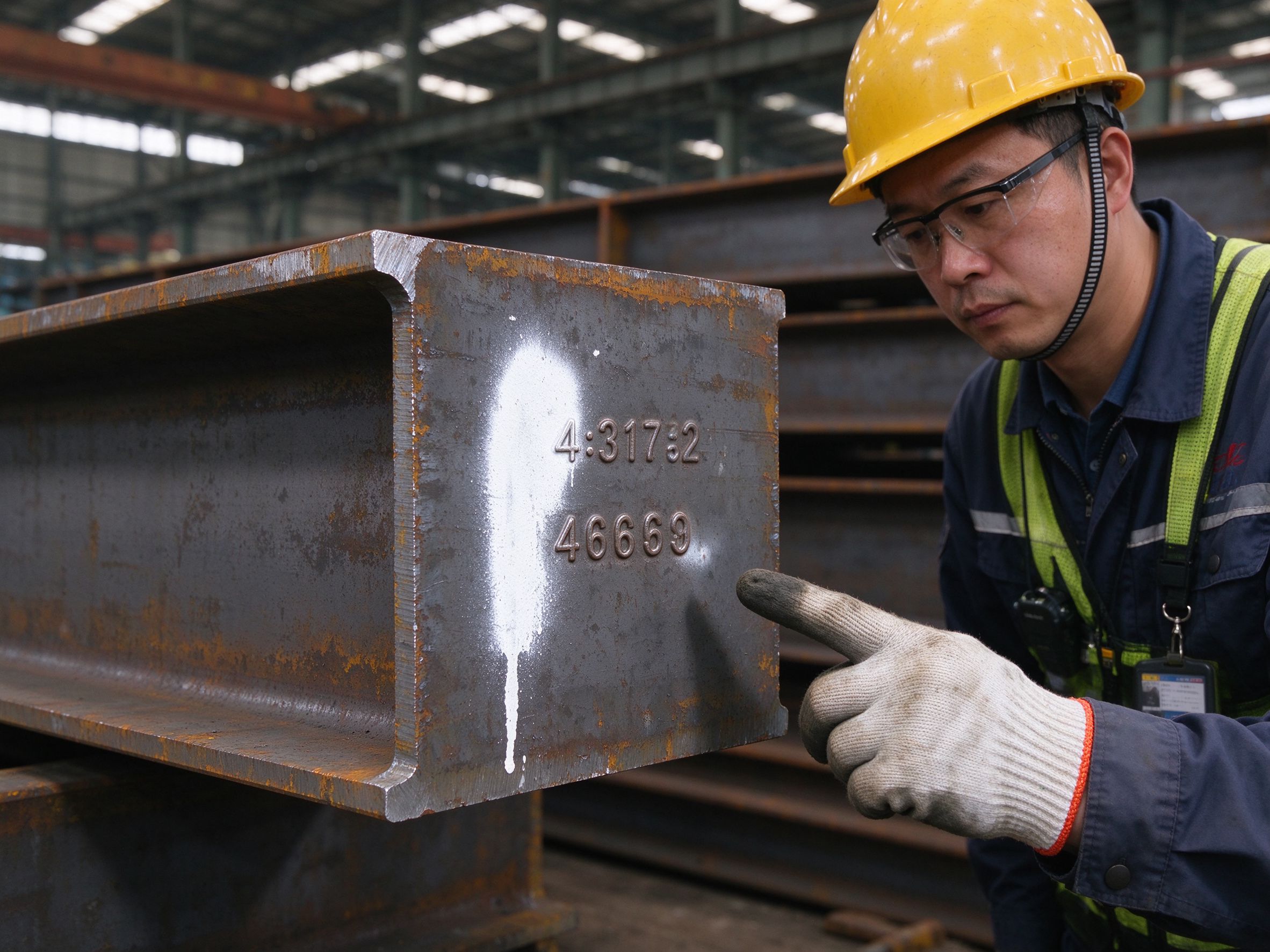
- Heat number — the batch traceability key; it appears on the physical steel
- Dimensions / product form — plate, section, tube, and size
- Chemical composition — carbon and alloy elements, reported against the standard’s limits
- Mechanical properties — yield strength, tensile strength, elongation, and (where specified) impact test results
- Delivery / heat treatment condition — e.g. normalized, thermomechanical rolled, as delivered
- Signatures and date — the authorized sign-off and issue date
The exact chemical and mechanical values are not fixed global numbers: they depend on the steel grade and the standard being used, and the MTC reports the tested values for that specific heat.
How to verify an MTC against the steel
- Match the heat number on the certificate to the marking or stamping on the physical members
- Confirm the steel grade matches the purchase order and the drawings
- Check the reported chemical values fall within the standard’s limits for that grade
- Check yield strength, tensile strength and elongation against the standard
- Confirm the certificate type (3.1 or 3.2) matches the contract
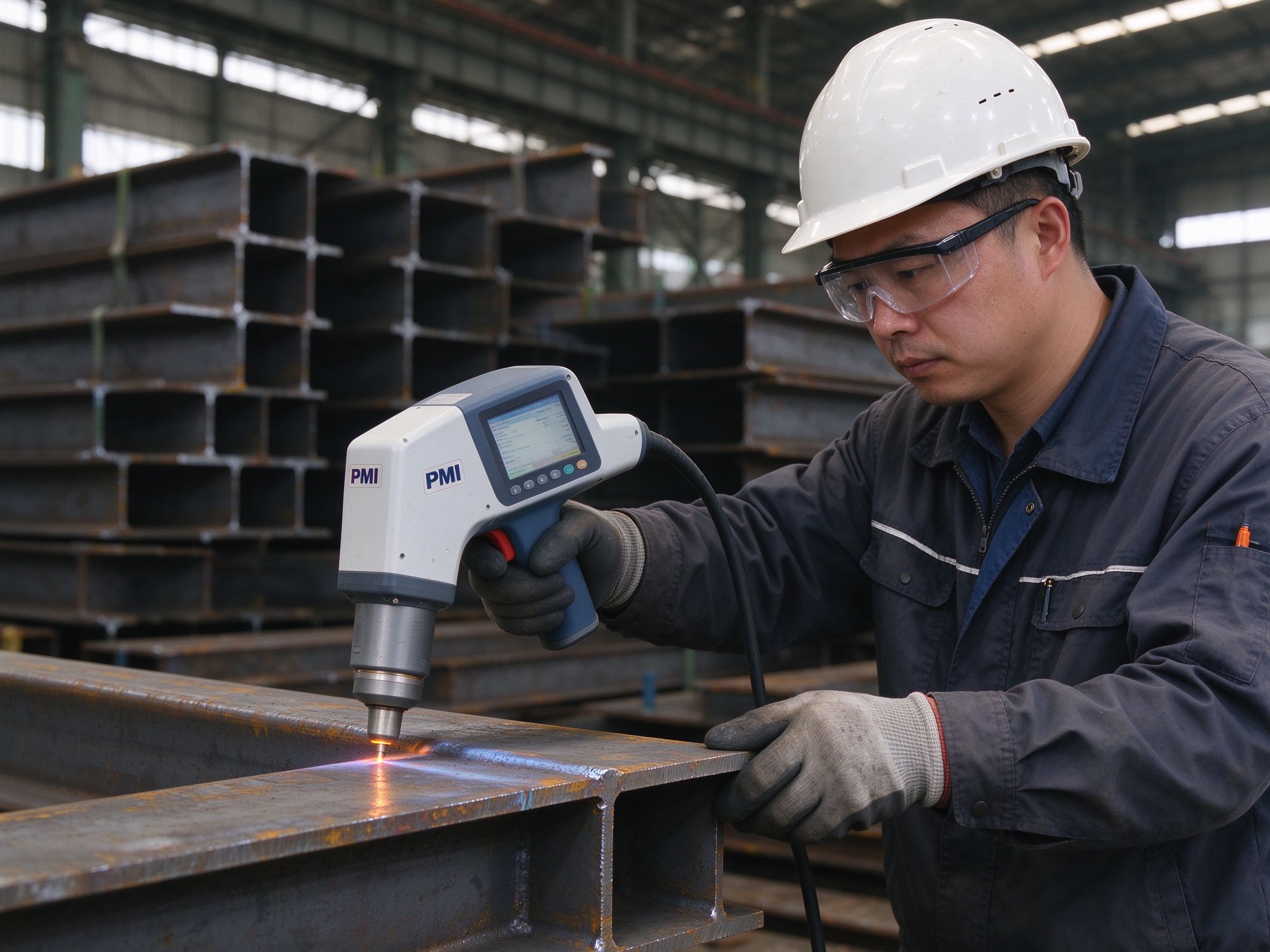
- Where required, arrange independent re-testing (e.g. PMI chemical analysis) for disputed material
Chemical and mechanical checks
Chemical composition is read element by element against the standard table for the grade — carbon and the main alloying elements must sit within the specified ranges. Mechanical properties are read as tested values: yield strength, tensile strength and elongation at minimum, with impact energy added where the specification requires it. If the project uses an independent inspector, a handheld XRF/PMI spectrometer can verify the chemistry on site; this is a check, not a replacement for the mill certificate.
Responsibility boundary
| Stage | ZhongSai (fabricator/supplier) | Buyer / local party |
|---|---|---|
| Material sourcing | Source steel with MTCs and coordinate documentation | Specify the required grade, standard and certificate type |
| Traceability | Maintain heat-number records in fabrication | — |
| Certificate pack | Provide MTCs in the project documentation | Verify against the order and drawings |
| Third-party inspection | Coordinate access for appointed inspectors | Appoint and fund the independent inspector if 3.2 is required |
| Authority submission | — | Local registered engineer and authority approval |
MTC verification checklist
- Required certificate type (3.1 or 3.2) stated in the purchase order
- Standard and grade on the certificate match the order and drawings
- Heat numbers trace to the physical member markings
- Chemical composition within the standard’s limits
- Yield, tensile and elongation values conform; impact values where required
- Dimensions and product form match
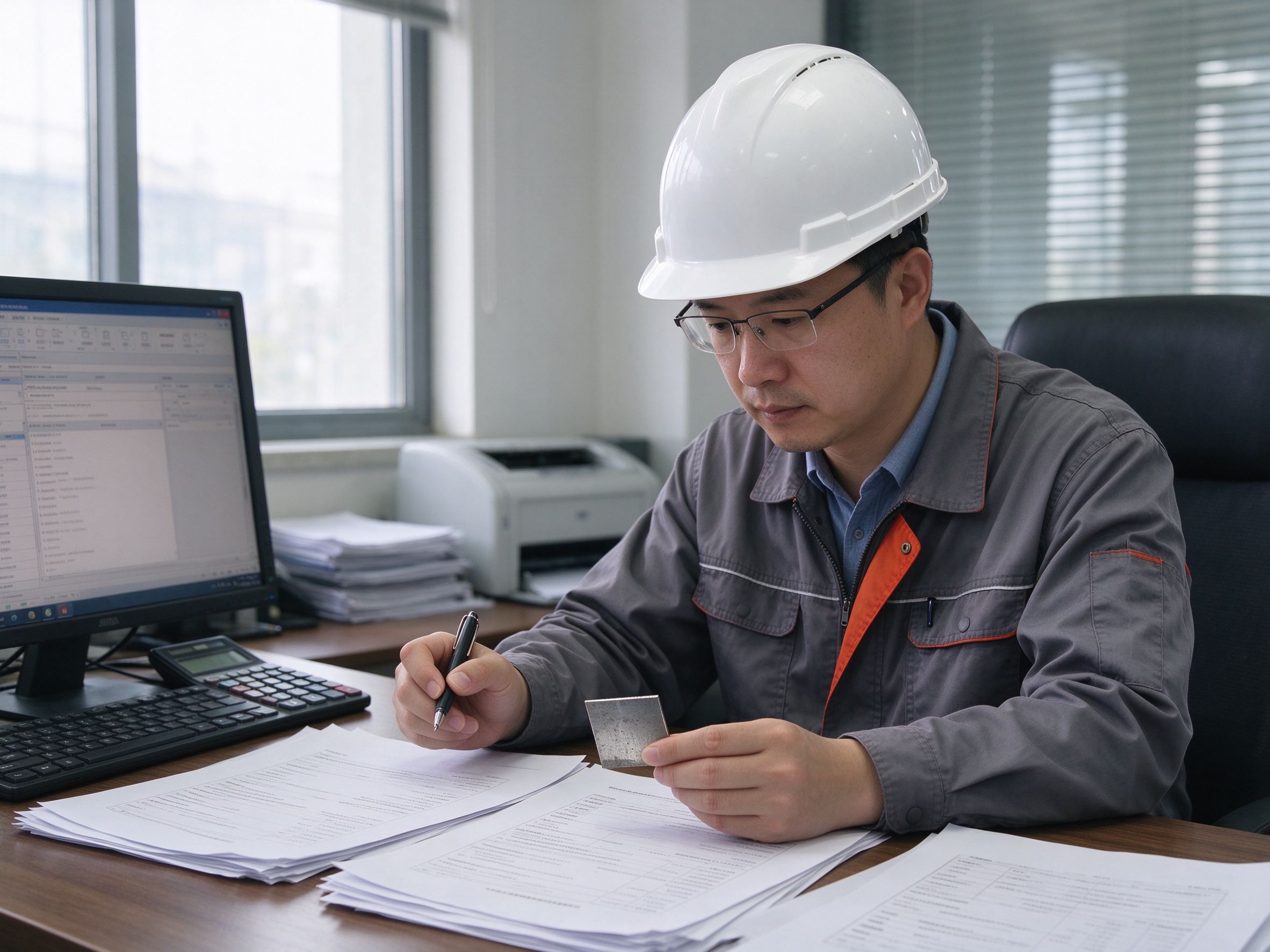
- Certificates collected in the project handover pack
- Disputed material quarantined and re-tested before use
FAQ
What is a mill test certificate?
It is the steel mill’s document reporting the tested chemical composition and mechanical properties of a specific heat, together with the grade, standard, dimensions and heat number used for traceability.
What is the difference between EN 10204 3.1 and 3.2?
Type 3.1 is issued by the manufacturer’s independent quality department; Type 3.2 adds inspection or verification by an independent authorized representative. Type 3.2 is used when the project requires independent assurance.
Is a 3.1 certificate enough for a steel structure?
For many structural orders, 3.1 is the standard requirement. Whether 3.1 or 3.2 is needed depends on the project specification, local authority and contract, so it must be fixed before ordering.
How do I check the heat number?
The heat number is marked or stamped on the steel; match it to the certificate, then confirm the grade and the tested values for that heat.
What happens if the certificate does not match the steel?
Quarantine the material, do not install it, and ask the supplier to reconcile the records or provide independent re-testing; non-conforming material should be resolved before erection.
Can chemical composition be checked on site?
A handheld XRF/PMI spectrometer can verify chemistry on site as a check, but it supplements rather than replaces the mill certificate and mechanical test results.
Do different standards use different certificates?
EN projects commonly use EN 10204 3.1/3.2; ASTM and GB systems use their own mill report forms. The grade and values must always be assessed against the standard named on the document.
Does ZhongSai provide mill certificates?
ZhongSai coordinates MTC documentation for the steel structures it fabricates and includes them in the project material pack; the local party verifies them against the project specification and handles authority submissions.
Sending a steel structure overseas?
Send the project drawings and the required material standard; ZhongSai can confirm the steel grade, certificate type and documentation pack before quotation.