
Steel Structure Design Changes and Change Orders
A design change is possible, but it should be handled through a written change order. The earlier a change is raised, the smaller its impact; once material is ordered or members are fabricated, changes can add cost and time. A change order should state what changes, the cost, the schedule effect and both parties' confirmation. Freezing the drawings early and confirming requirements before fabrication reduces the need for change orders. ZhongSai confirms every change in writing before acting.

A design change is possible, but it should be handled through a written change order. The earlier a change is raised, the smaller its impact; once material is ordered or members are fabricated, changes can add cost and time. A change order should state what changes, the cost, the schedule effect and both parties’ confirmation. Freezing the drawings early and confirming requirements before fabrication reduces the need for change orders. ZhongSai confirms every change in writing before acting.
This guide explains what a change order is, how the timing of a change drives its cost, what the document should include, and how to keep changes under control.
What a design change and change order are
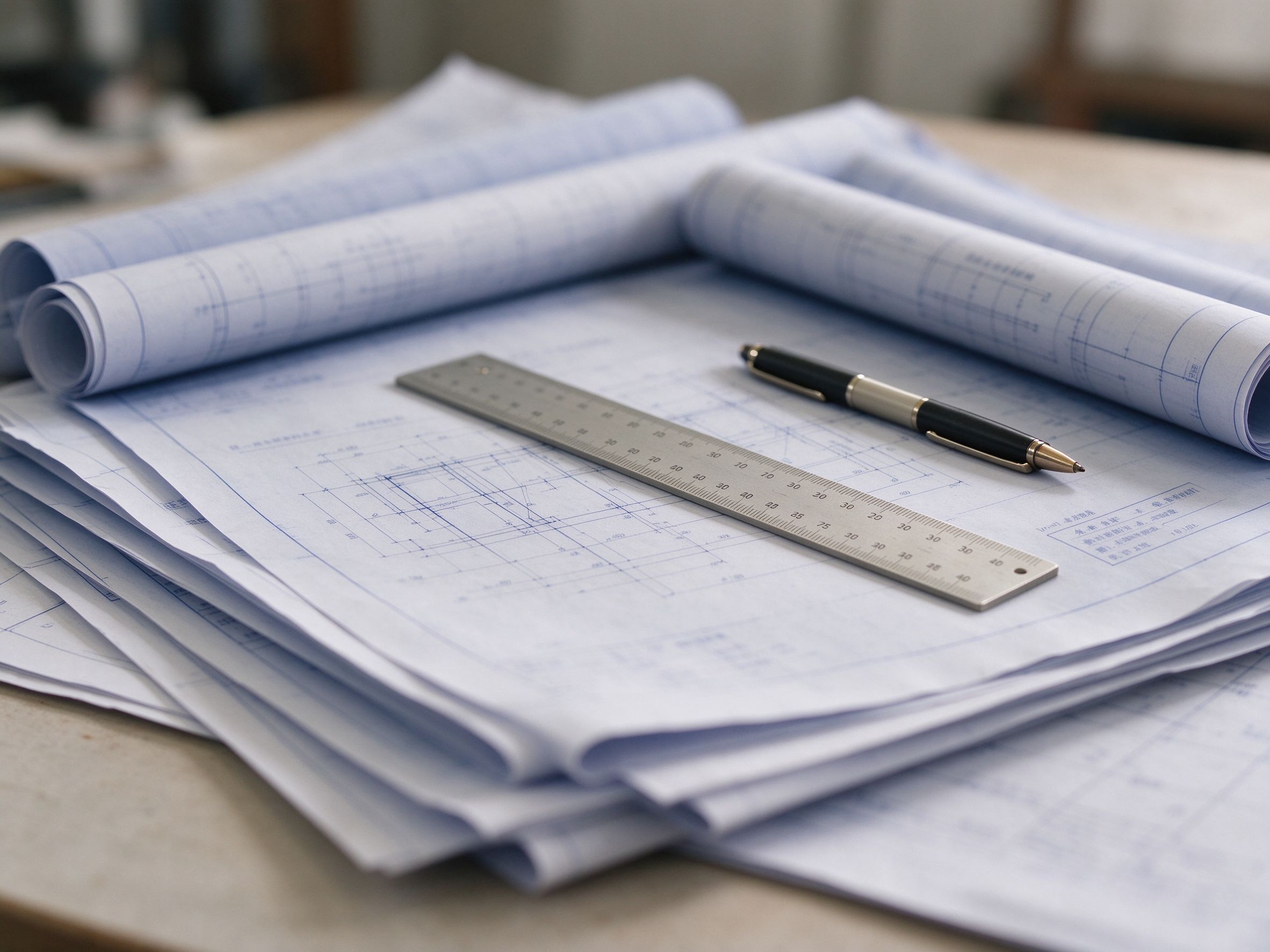
A design change is any alteration to the agreed scope, dimensions, loads, openings, cladding or details after the design is confirmed. A change order is the written document that records the change and its effect on price and schedule. It is the agreed way to modify the contract scope rather than an informal message.
When a change is raised changes its impact
| Stage | Typical impact |
|---|---|
| Before quotation | Usually no extra cost |
| During detailing | Small; drawings updated |
| After material ordered | Material may already be committed |
| During fabrication | Cut or welded members may need rework |
| After marking/packing | Repacking and re-marking may be needed |
| After shipping | Very limited; handled on site |
| During erection | Local engineer and site works involved |
The exact cost and time depend on the stage and the change; there is no fixed percentage.
Why changes add cost
- Material already ordered: steel or cladding may be committed
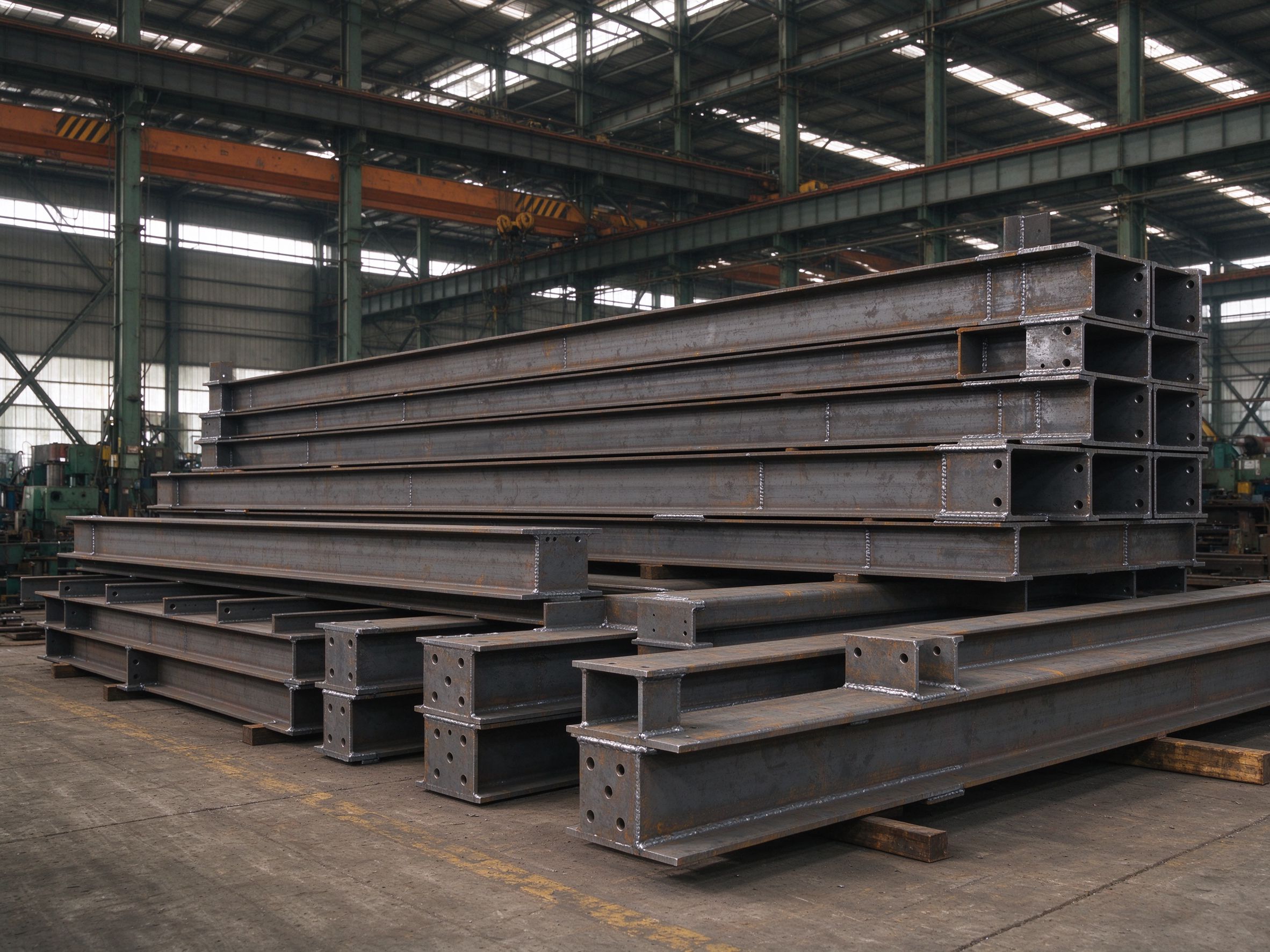
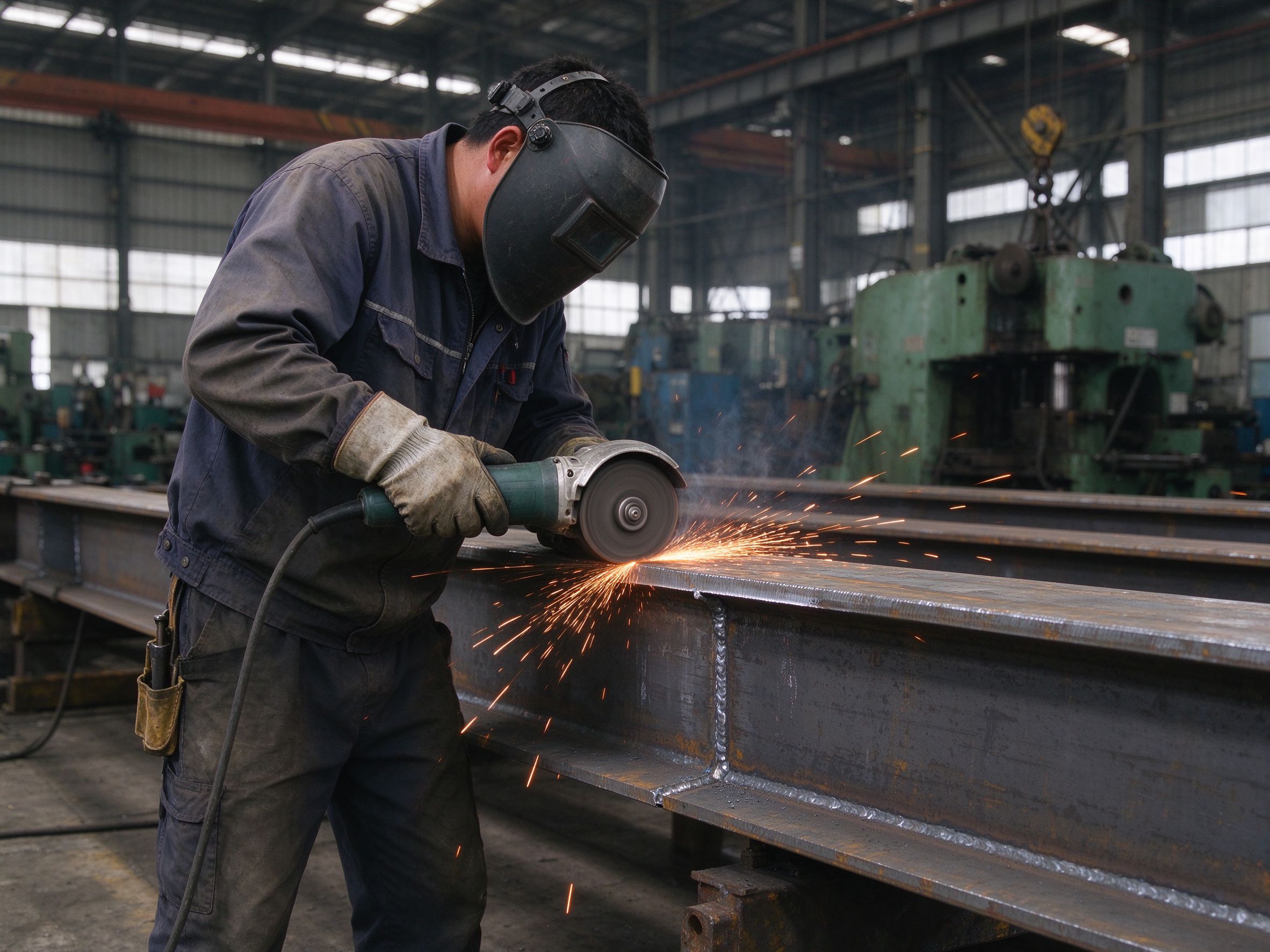
- Fabricated members: cut or welded parts may need rework or replacement
- Re-detailing: drawings and marks may need updating
- Schedule: later changes can delay packing and shipping
- Re-marking and repacking: packs and container plans may change
- Site work: changes on site depend on local labour and engineering
What a change order should include
- What is changing and why
- The drawing version affected
- The affected members or areas
- The cost basis
- The schedule effect
- Confirmation of both parties before work proceeds
How to reduce changes
- Confirm dimensions, loads, doors and openings early
- Freeze the drawings before fabrication starts
- State materials, coating and cladding in the specification
- Decide on cranes, mezzanines and equipment before detailing
- Review the submitted drawings promptly and in one round
- Avoid late additions that arrive after material is committed
Reasonable versus questionable change costs
A change cost tied to committed material, rework, re-detailing or repacking is generally reasonable. A charge with no connection to the change, or work started before the change order is confirmed, should be questioned in writing. Ask for the cost basis and keep the drawings, change orders and messages on file.
Factory changes versus site changes
Factory changes are handled by the supplier while the work is still in the workshop; site changes after delivery involve the local engineer, permits and local labour. Changes that affect structural safety should be reviewed by the local registered engineer before implementation.
Responsibility boundary
| Stage | ZhongSai | Buyer / local party |
|---|---|---|
| Drawings | Coordinate detailing and submit for review | Review and confirm promptly |
| Change request | Assess cost and schedule effect | Raise changes in writing |
| Change order | State scope, cost and time before acting | Confirm before work proceeds |
| Factory change | Carry out agreed rework and re-marking | Avoid informal verbal changes |
| Site change | Provide technical guidance | Local engineer, labour and permits |
Buyer checklist
- Requirements and loads are confirmed before fabrication
- Drawings are reviewed and frozen
- Changes are raised in writing, not verbally
- Each change has a written change order
- Cost and schedule effect are confirmed first
- Drawing versions are current
- Site changes are reviewed by the local engineer
- Change orders and messages are kept on file
FAQ
Can I change the design after I order?
Yes, but it should be handled through a written change order; later changes may add cost and time.
Does a design change always cost more?
Not before quotation or during early detailing, but after material is ordered or fabrication starts, costs can arise.
What is a change order?
A written record of the change, its cost, its schedule effect and both parties’ confirmation.
Why is a change after fabrication more expensive?
Members may already be cut, welded or marked, so rework or replacement can be needed.
Can I change openings or doors late?
It depends on the stage; cladding and members affected may already be made.
Should a change be confirmed before work starts?
Yes; the change order should be agreed before the supplier acts on it.
Who handles a change on site?
Site changes involve the local engineer, labour and permits, with technical guidance from the supplier.
How can I avoid change orders?
Freeze the drawings, confirm equipment and openings early, and review drawings in one round.
Need to confirm or change a design?
Send your project drawings and requirements; ZhongSai will confirm the scope, and any change, in writing.