
How To Steel Structure Cost: Complete Guide for Buyers
A comprehensive guide to how to steel structure cost for overseas buyers, covering key considerations, best practices, common mistakes, and expert recommendations.
When sourcing steel structures for your project, understanding how to steel structure cost is essential for making informed decisions. This guide covers everything you need to know, from key considerations to best practices and common pitfalls to avoid.
Direct Answer: What You Need to Know
how to steel structure cost is one of the most important considerations when planning a steel structure project. The key factors that determine success include proper planning, clear specifications, quality manufacturing, and effective communication with your supplier.
Key takeaways:
- Proper planning and clear specifications prevent costly mistakes
- Quality manufacturing directly impacts your building’s lifespan
- Effective communication with your supplier ensures smooth execution
- Understanding the process helps you evaluate quotes accurately
Part 1: Understanding the Fundamentals
What Is How To Steel Structure Cost?
How To Steel Structure Cost involves the planning, manufacturing, and delivery of steel structure components. It encompasses everything from initial design and material selection to fabrication, quality control, and logistics.
Why It Matters
The quality of how to steel structure cost directly affects:
- Structural safety: Proper design and manufacturing ensure your building meets safety standards
- Project lifespan: Quality materials and fabrication extend your building’s usable life
- Cost efficiency: Understanding the process helps you avoid unnecessary expenses
- Timely delivery: Clear specifications and communication prevent delays
Key Components
How To Steel Structure Cost typically involves:
- Design and engineering: Structural calculations, member sizing, connection design
- Material selection: Steel grades, coatings, fasteners, cladding materials
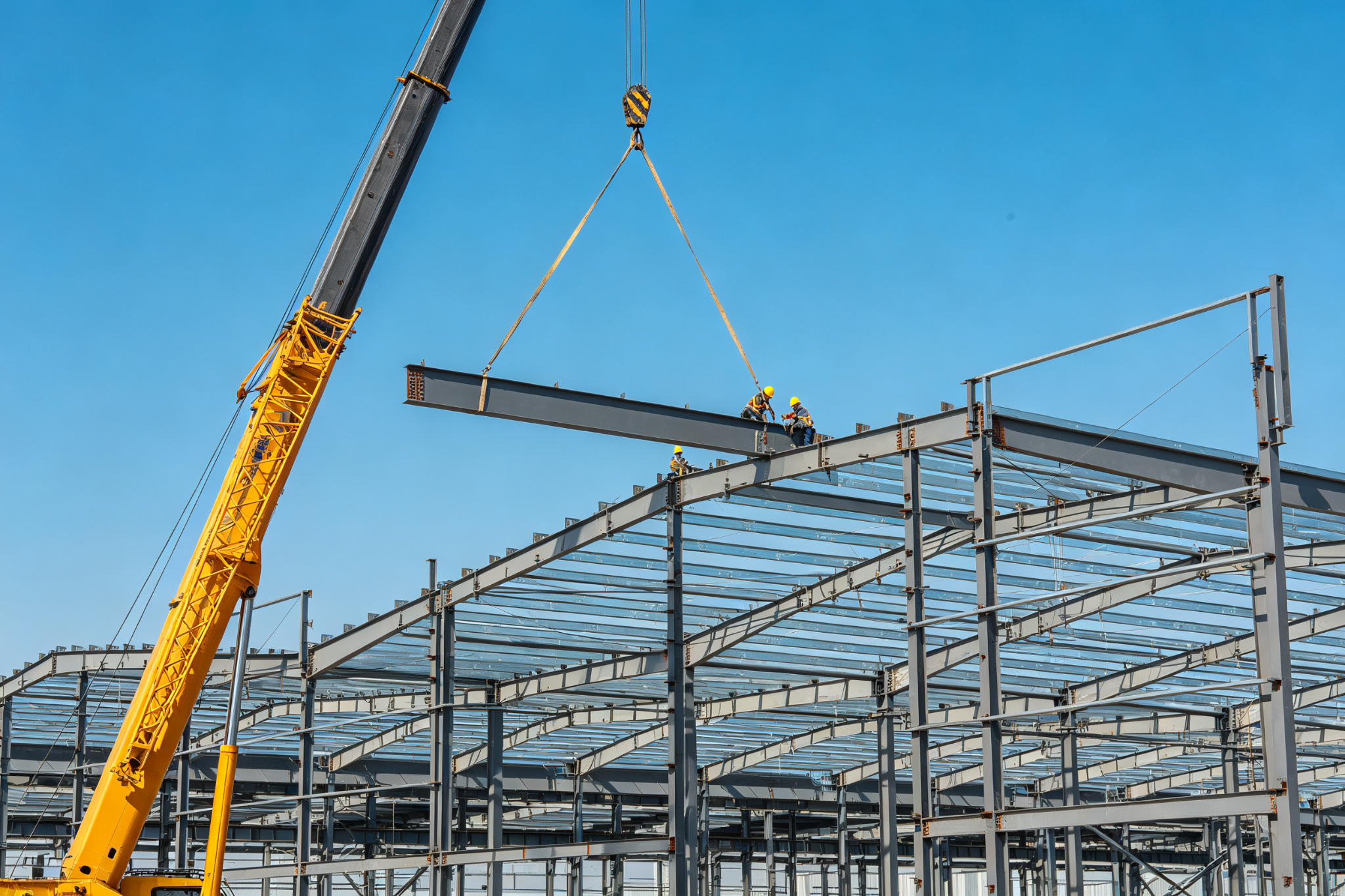
- Fabrication: Cutting, welding, drilling, surface preparation, coating
- Quality control: Inspection, testing, documentation
- Logistics: Packing, marking, container loading, shipping
Part 2: Key Factors to Consider
1. Design Requirements
Before fabrication begins, you need clear design requirements:
- Building dimensions and layout
- Design loads (wind, snow, seismic, live loads)
- Applicable design standards (GB, AISC, EN, BS, AS/NZS)
- Connection types and specifications
- Crane requirements (if applicable)
2. Material Specifications
Material quality is critical:
- Steel grades: Q235, Q355, A36, A572, S235, S355, etc.
- Coating systems: Surface preparation, primer, intermediate, topcoat, total DFT
- Fasteners: Bolt grades (8.8, 10.9), types, surface finishes
- Cladding: Panel types, insulation, thickness, accessories
3. Manufacturing Quality
Evaluate your supplier’s manufacturing capabilities:
- Factory size and equipment
- Quality control processes
- Welding qualifications and inspection
- Coating application and verification
- Inspection and testing capabilities
4. Project Management
Effective project management ensures smooth execution:
- Clear communication channels
- Production scheduling and tracking
- Quality documentation
- Shipping and logistics coordination
- Installation support
Part 3: Common Mistakes to Avoid
Mistake 1: Incomplete Specifications
Providing incomplete or unclear specifications leads to inaccurate quotes and potential fabrication errors. Always provide complete design information, including loads, standards, and material specifications.
Mistake 2: Choosing Based Only on Price
The lowest quote may not represent the best value. Consider quality, experience, and total cost of ownership, not just the initial price.
Mistake 3: Skipping Quality Verification
Don’t assume your supplier is maintaining quality. Arrange inspections, request documentation, and verify that materials and workmanship meet your specifications.
Mistake 4: Ignoring Logistics Planning
Shipping and logistics can cause significant delays if not planned properly. Consider packing, marking, container loading, and shipping schedules early in the project.
Mistake 5: Poor Communication
Maintain regular communication with your supplier throughout the project. Clear communication prevents misunderstandings and ensures issues are resolved quickly.
Part 4: Best Practices
Before Ordering
- Prepare complete documentation: Drawings, specifications, BOQ, design criteria
- Research suppliers: Verify factory, capabilities, quality systems, references
- Get multiple quotes: Compare on equal scope, not just price
- Clarify all requirements: Loads, standards, materials, coating, delivery terms
- Establish communication: Identify key contacts and communication channels
During Manufacturing
- Request progress updates: Regular production status reports
- Arrange inspections: Pre-shipment inspection, or during-production inspection
- Review documentation: Material certificates, coating reports, inspection records
- Approve shop drawings: Review and approve fabrication drawings before production
- Monitor schedule: Track production progress against agreed timeline
During Shipping and Installation
- Verify packing: Ensure components are properly packed and marked
- Review shipping documents: Commercial invoice, packing list, bill of lading
- Plan receiving: Coordinate unloading, storage, and inventory
- Follow installation guidelines: Use proper lifting equipment and procedures
- Maintain supplier contact: Have technical support available during installation
Part 5: Questions to Ask Your Supplier
General Questions
- What is your factory size and annual production capacity?
- What quality certifications do you hold?
- What design standards do you work with?
- Can you provide references from similar projects?
- What is your typical project timeline?
Technical Questions
- What steel grades do you typically use?
- What coating systems do you offer?
- What welding standards do you follow?
- What quality inspection processes do you have?
- Can you provide material test reports?
Commercial Questions
- What is included in your quotation?
- What are your payment terms?
- What delivery terms do you offer?
- What is your warranty policy?
- What after-sales support do you provide?
Part 6: Evaluation Checklist
Use this checklist to evaluate your how to steel structure cost process:
Planning Phase
- Complete design documentation prepared
- Design loads and standards specified
- Material requirements clearly defined
- Project timeline established
- Budget and payment terms agreed
Supplier Selection
- Multiple suppliers evaluated
- Factory capabilities verified
- Quality systems checked
- References contacted
- Quotes compared on equal scope
Manufacturing Phase
- Shop drawings approved
- Material certificates verified
- Production progress monitored
- Quality inspections arranged
- Coating specifications verified
Shipping Phase
- Packing and marking verified
- Container loading supervised (if possible)
- Shipping documents reviewed
- Customs clearance prepared
- Receiving and storage planned
Installation Phase
- Installation team qualified
- Proper lifting equipment available
- Assembly sequence understood
- Technical support available
- Safety procedures in place
Conclusion
How To Steel Structure Cost is a critical aspect of any steel structure project. By understanding the fundamentals, avoiding common mistakes, following best practices, and maintaining clear communication with your supplier, you can ensure your project is delivered on time, on budget, and to the quality you expect.
Remember: the time and effort you invest in planning and verification upfront will save you significant time, money, and frustration during execution and throughout your building’s lifespan.
Final structural design should be based on project location, applicable codes, loads and project-specific engineering requirements.
Have a steel structure project? Send your drawings, specifications, or project requirements. ZhongSai can review your project and provide professional guidance on how to steel structure cost, from design and fabrication to shipping and installation support.