
Steel Material Substitution and Equivalent Approval
A specified steel grade or section can sometimes be substituted, but it is never decided on the shop floor. Any substitute must meet or exceed the original design in strength, toughness, weldability and section performance, be approved in writing by the design engineer or buyer, and be recorded with an updated MTC. Whether it is acceptable depends on the code, contract and original design.
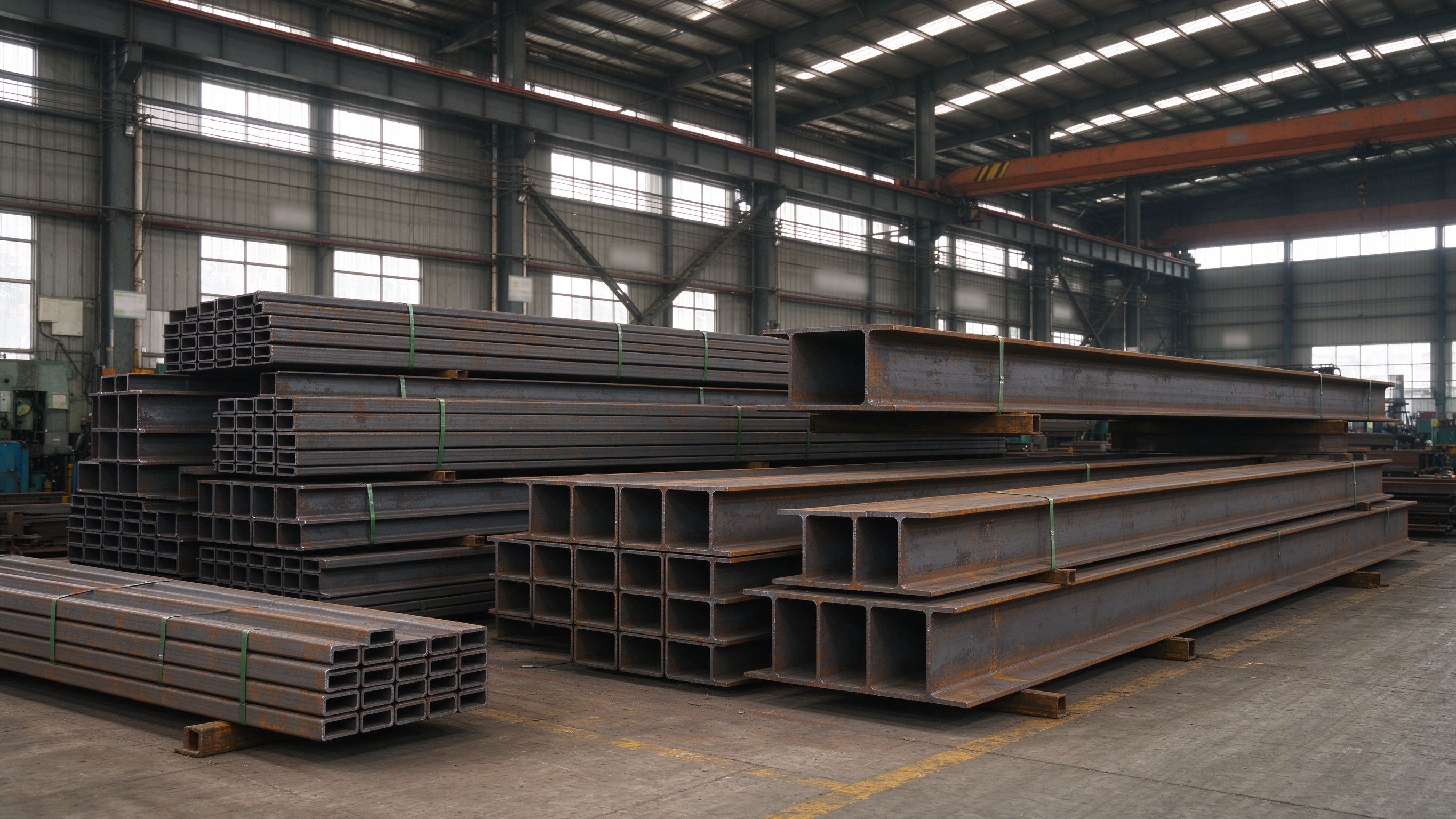
A specified steel grade or section can sometimes be substituted, but it is never decided on the shop floor. Any substitute must meet or exceed the original design in strength, toughness, weldability and section performance, be approved in writing by the design engineer or buyer, and be recorded with an updated MTC. Whether it is acceptable depends on the code, contract and original design.
This guide explains how a controlled substitution works, rather than naming which grades are interchangeable.
What material substitution means
Material substitution is replacing a specified grade, plate or section with a different one because the original is not available or a standard designation has changed. It is a controlled change, not a quiet swap.
Why it comes up
It usually arises from material availability, lead time, a change between old and new standard designations, or a section size that is not in stock.
The basic rule
A substitute must meet or exceed the original design, not merely match its tensile strength on paper. Strength, toughness, weldability, thickness effect and section properties are all reviewed, because a grade that matches strength can still fall short in toughness or welding behavior.
Common substitution types
| Type | What is reviewed |
|---|---|
| Grade designation | Equivalent standard and sub-grade |
| Strength grade | Yield and tensile values, toughness |
| Plate or section size | Section properties and thickness effect |
| Fastener grade | Property class and compatibility |
Who approves it
The design or structural engineer, or the buyer where the contract places that right with them, approves it in writing. Fabrication and QC teams do not approve a substitution on their own.
How the process runs
The request is raised, the equivalent is evaluated against the original design, approval is obtained in writing, the change is recorded, and the MTC and related documents are updated so the delivered material can be traced.
What depends on what
Acceptance depends on the local code, the contract, the original design, the building use and the service environment. There is no universal table of interchangeable grades, because the controlling requirements differ by project.
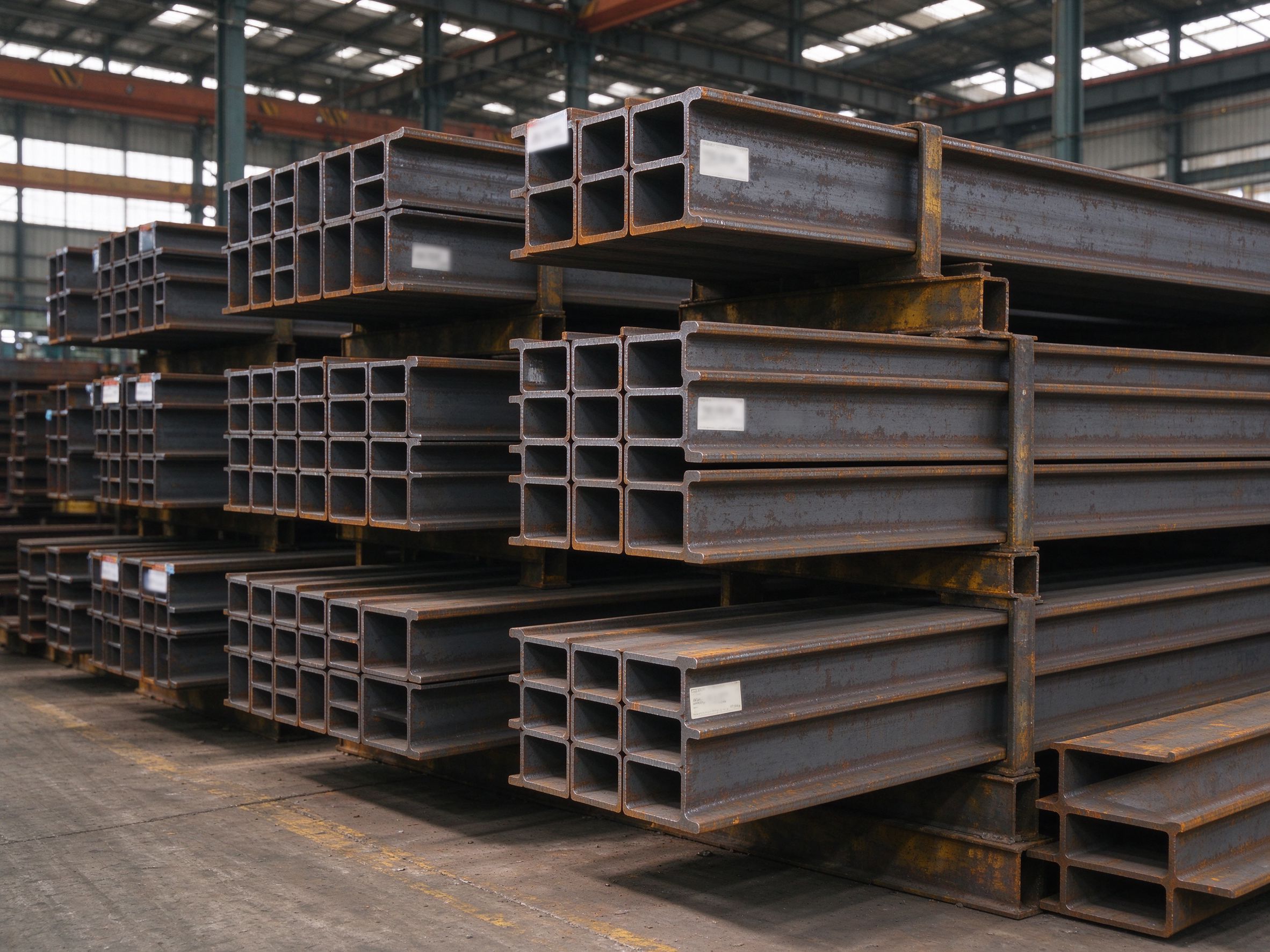

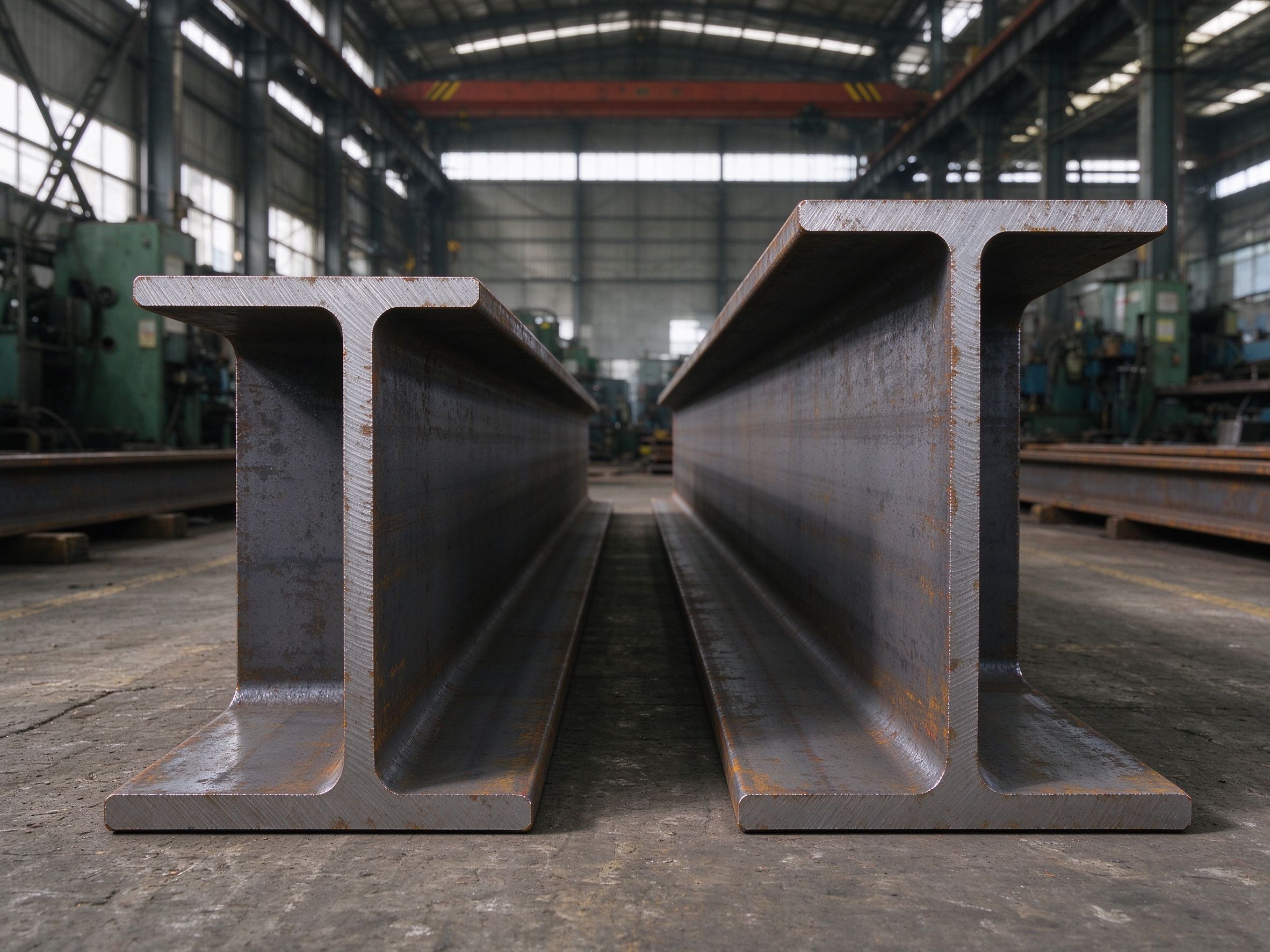
Responsibility boundary
| Stage | ZhongSai | Buyer / local party |
|---|---|---|
| Data | Coordinate specified grades and sections | Provide design and code requirements |
| Review | Evaluate proposed equivalents in the manufacturing bases | Engage the design engineer |
| Approval | Request written confirmation | Approve or reject in writing |
| Records | Update MTC and traceability | Keep approved documents |
| Shipping | Coordinate export and documents | Arrange clearance and duty |
| On site | Provide technical guidance | Verify material against the design |
Checklist
- The original specified grade and section are stated clearly
- The reason for substitution is documented
- Strength, toughness, weldability and section properties are compared
- Thickness and sub-grade effects are considered
- The design engineer or buyer has approved in writing
- The MTC and documents are updated
- The delivered material is traceable to the approval
- No substitution is made before approval
FAQ
Can a specified steel grade be replaced?
Sometimes, if it meets or exceeds the original design and is approved in writing.
Who has the right to approve it?
The design or structural engineer, or the buyer where the contract says so.
Is matching tensile strength enough?
No, toughness, weldability and section properties are also checked.
Why are sub-grades important?
They control properties such as toughness and testing, which can differ within one grade.
Does a thicker plate always work?
Not automatically, because thickness can affect properties and the connection details.
What documents should show the change?
The written approval and the updated MTC, kept with the project records.
Can the fabricator decide on the spot?
No, fabrication and QC do not approve a substitution on their own.
Are equivalent grades identical everywhere?
No, acceptance depends on the code, contract and original design.
Planning a steel building project?
Send your design, specified grades and sections; ZhongSai will coordinate fabrication and QC in the manufacturing bases and raise any proposed equivalent for written approval, while the design engineer confirms it against the local code.