
Steel Floor Vibration and Human Comfort
Steel floors, especially long-span or lightweight composite floors, can show perceptible movement under people or equipment, but perceptible is not the same as unsafe. Comfort is usually handled through stiffness, natural frequency and acceleration, and whether adjustment is needed is judged by a structural engineer to the code and use; there is no universal limit.
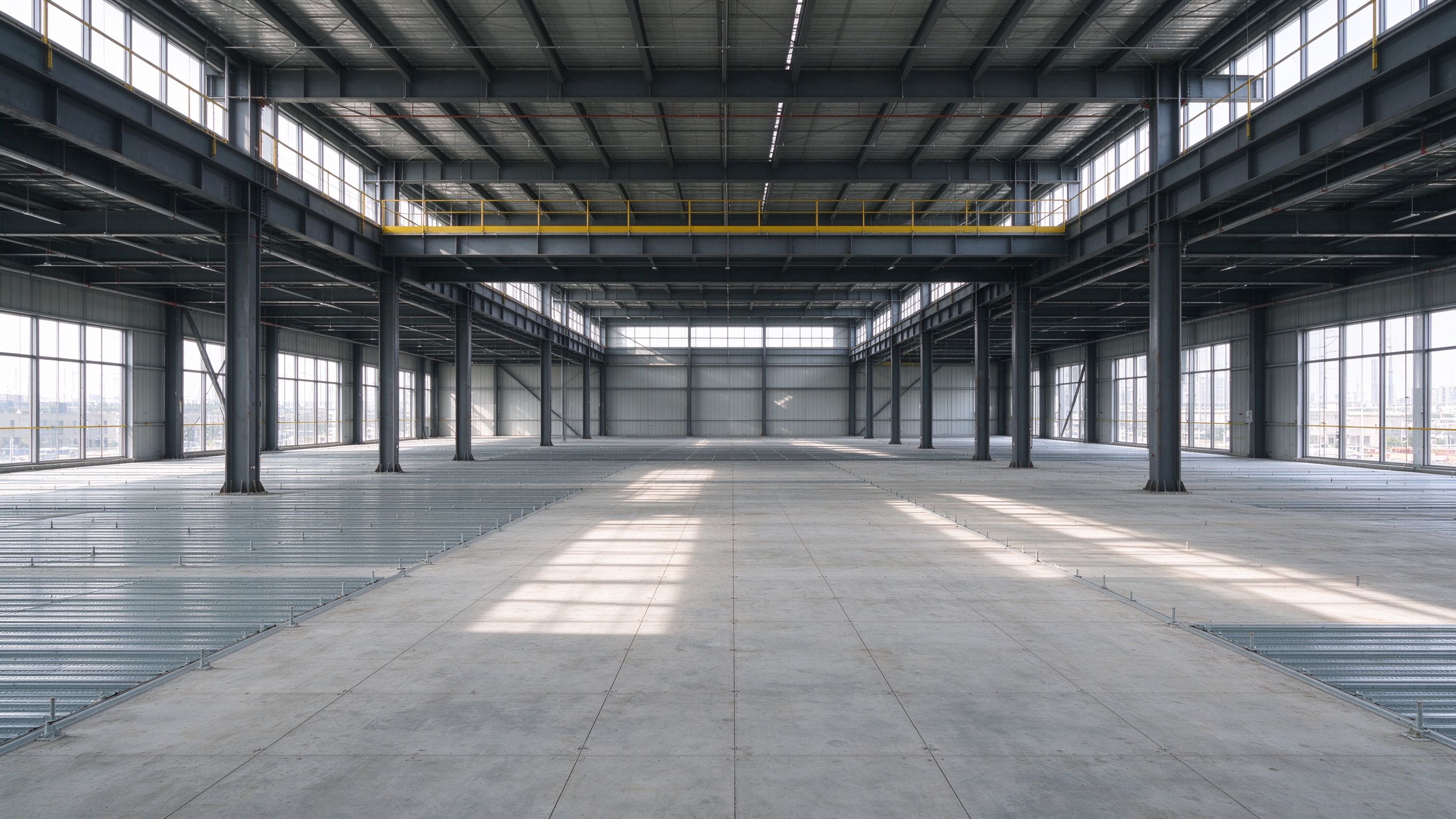
Steel floors, especially long-span or lightweight composite floors, can show perceptible movement under people or equipment, but perceptible is not the same as unsafe. Comfort is usually handled through stiffness, natural frequency and acceleration, and whether adjustment is needed is judged by a structural engineer to the code and use; there is no universal limit.
This guide explains why it happens and how it is controlled, rather than giving fixed values.
Why steel floors vibrate
A floor is a flexible system. When people walk or equipment runs, the applied force can set the floor moving. Lighter, longer spans are more easily noticed than short, heavy ones.
Is perceptible movement unsafe
Not by itself. A floor can feel springy while still meeting strength requirements. Comfort is checked separately from strength, using frequency and acceleration against the use and local code.
Key concepts
| Concept | Meaning |
|---|---|
| Stiffness | Resistance to deflection |
| Mass | Weight of the floor and contents |
| Natural frequency | The rate at which the floor tends to oscillate |
| Damping | How quickly motion dies away |
| Acceleration | What people actually feel |
When it is more likely to matter
Long spans, lightweight construction, cantilevers, areas with frequent walking, and spaces holding sensitive equipment are reviewed more carefully.
How it is controlled
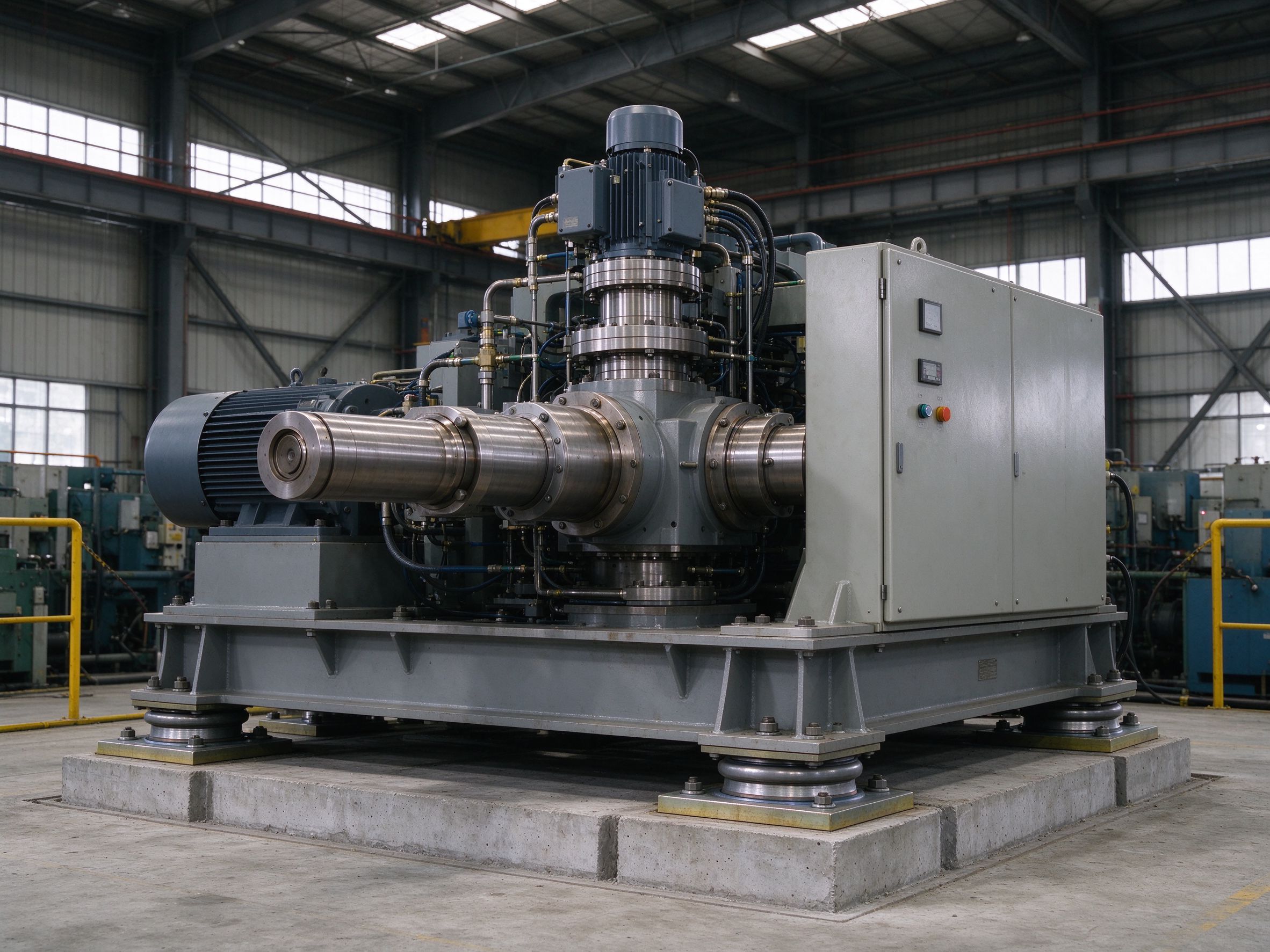
Stiffness and member size, floor mass and layout, support locations, and where needed damping devices or equipment isolation are used. The choice depends on the use and the calculated response.
What depends on what
The design depends on the use and occupancy, span and layout, floor mass, damping, equipment, and the local code.


Responsibility boundary
| Stage | ZhongSai | Buyer / local party |
|---|---|---|
| Data | Coordinate spans, loads and layout | Provide use, occupancy and equipment |
| Detailing | Model members and support conditions | Confirm comfort requirements |
| Fabrication | Fabricate and QC in the manufacturing bases | Engage a local structural engineer |
| Shipping | Coordinate export and documents | Arrange clearance and duty |
| On site | Provide technical guidance | Check comfort and install isolation |
Checklist
- Use and occupancy are stated clearly
- Long spans and cantilevers are identified
- Walking routes and sensitive areas are marked
- Equipment loads and frequencies are provided
- Member stiffness and frequency are reviewed
- Floor mass and damping are considered
- Isolation or damping is specified where needed
- A local structural engineer checks the response
FAQ
Why does my steel floor feel like it moves?
Flexible, long-span floors can show perceptible movement under walking.
Does that mean it is unsafe?
No, perceptible movement is separate from strength and is checked for comfort.
What is an acceptable vibration level?
It depends on the use and the local code, so there is no universal limit.
What makes a floor more prone to it?
Long spans, light weight, cantilevers and frequent walking.
Can it be reduced in design?
Yes, through stiffness, mass, layout, damping or isolation.
Do sensitive machines need special treatment?
They may need isolation or a separate support, based on their data.
Does a composite floor help?
It adds mass and stiffness, which is reviewed in the calculation.
Who checks the comfort criteria?
A structural engineer, against the use and local code.
Planning a steel building project?
Send your use, occupancy, layout and equipment data; ZhongSai will coordinate the spans, stiffness and support conditions, while the local structural engineer checks the comfort response to the local code.