
Roof Waterproofing & Flashing Details for Metal Buildings: Where Leaks Start
Metal roof leaks rarely come from the panel itself. They start at the details: the ridge, the eaves, the gable flashings, the sheet laps and the penetrations. The right waterproofing depends on the roof slope, the local climate and the building code, so there is no single global solution; the fix is to detail these points correctly. ZhongSai has built steel structures for 20 years and focused on exports for 15, and coordinates flashing and trim on the buildings we fabricate.
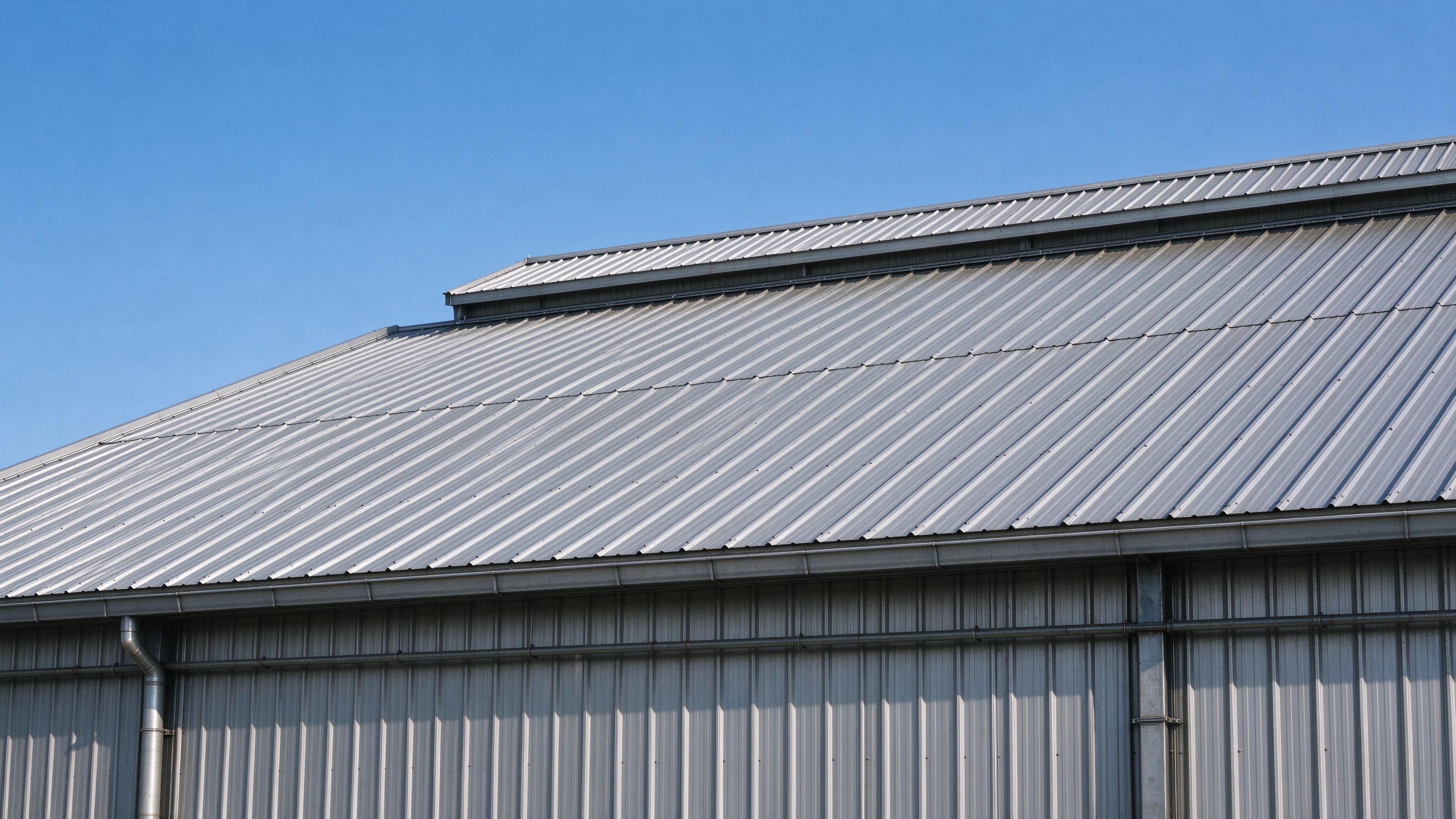
Metal roof leaks rarely come from the panel itself. They start at the details: the ridge, the eaves, the gable flashings, the sheet laps and the penetrations. The right waterproofing depends on the roof slope, the local climate and the building code, so there is no single global solution; the fix is to detail these points correctly. ZhongSai has built steel structures for 20 years and focused on exports for 15, and coordinates flashing and trim on the buildings we fabricate.
This guide maps the points where water gets in and the checks buyers can run before the roof ships.
Part 1: Where metal roofs leak most often
| Location | Typical cause | What to check |
|---|---|---|
| Ridge | Missing or undersized ridge cap, no sealant | Ridge cap width, fastener spacing, ventilation ridge seals |
| Eaves | No drip edge or bad gutter interface | Drip edge, gutter position, fascia flashing |
| Gables and walls | Poor flashing at roof-to-wall or roof-to-gable | Flashing profile, overlap, fixing points |
| Sheet laps | Wrong lap direction, missing sealant tape | End and side lap distance, sealant tape, fastener pattern |
| Penetrations | Unsealed pipe, ventilator or skylight curbs | Curb flashing, counter flashing, sealant |
| Fasteners | Missing washers, overdriven screws, wrong length | EPDM washers, screw seating, thermal movement |
Part 2: Key flashing and sealing details
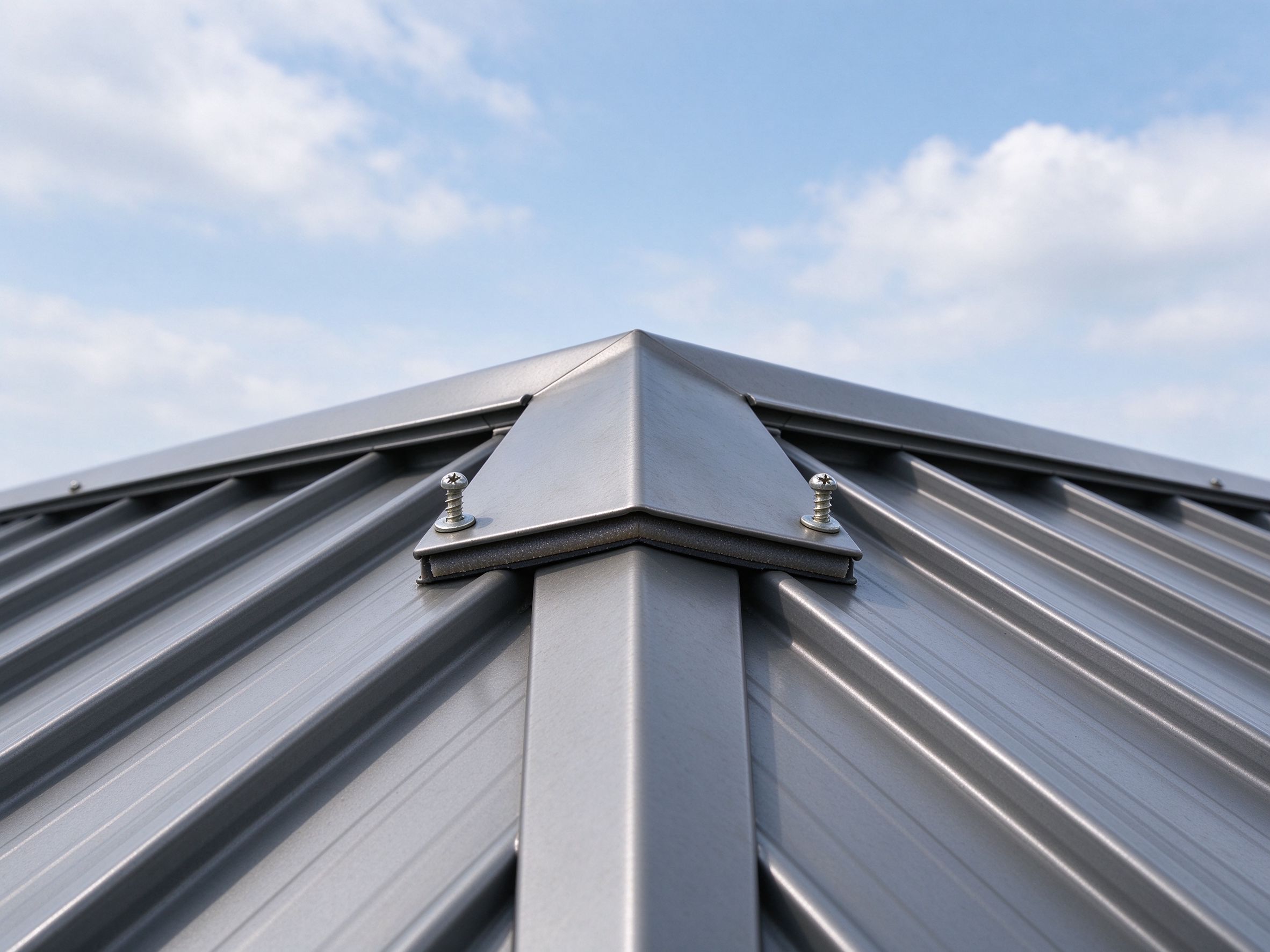
- Ridge: a ventilated ridge cap with a continuous seal is standard for metal roofs; the cap must be wide enough to cover both slopes and fixed through the high ribs
- Eaves: a drip edge stops water running back under the sheet; the gutter should sit below the drip edge with a fall
- Gables: roof-to-gable flashing needs a clean overlap and fixings into the sheet ribs, sealed against wind-driven rain
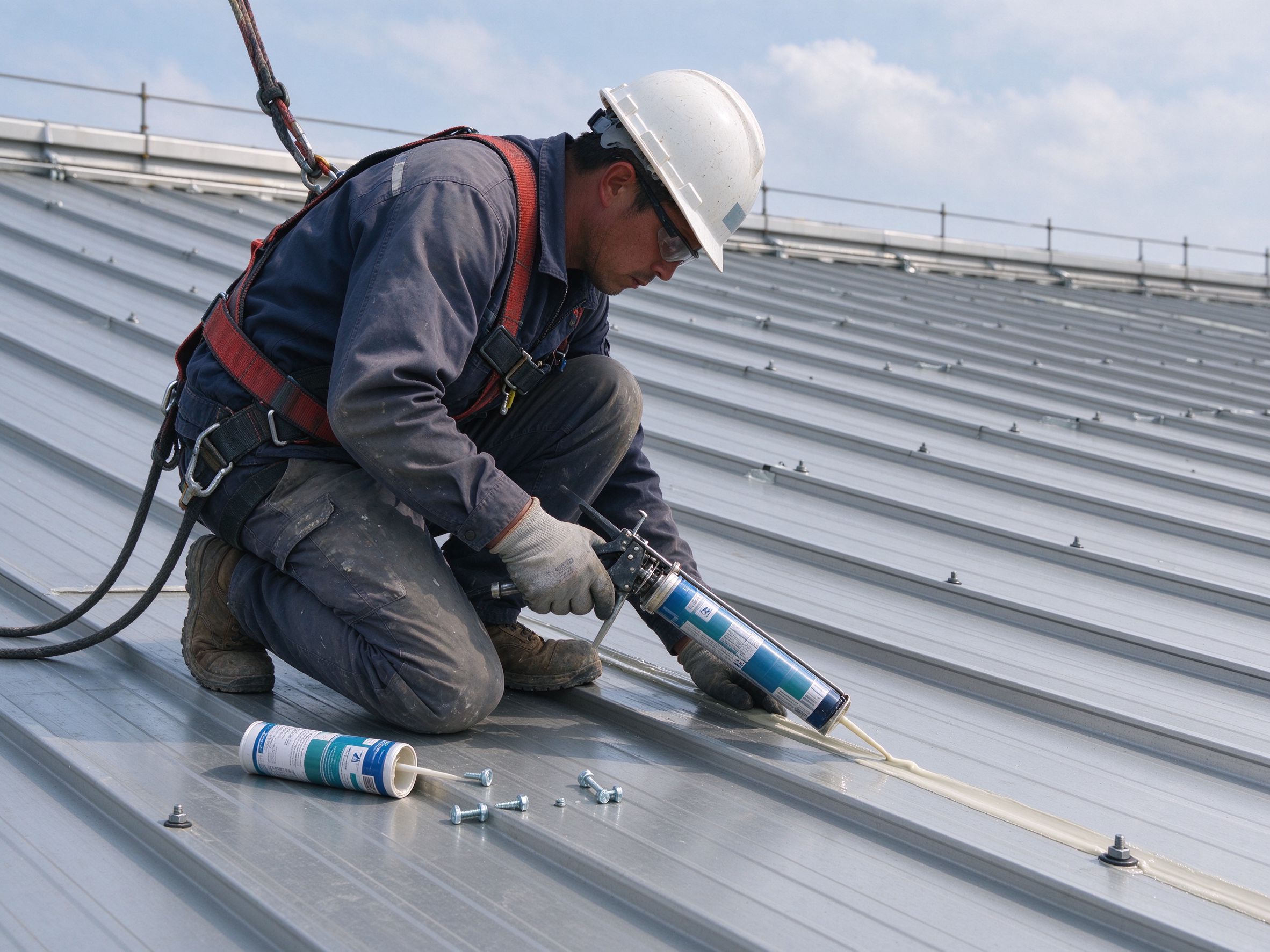
- Laps: end laps must face the right way relative to the prevailing rain direction, and sealant tape or mastic should sit between sheets
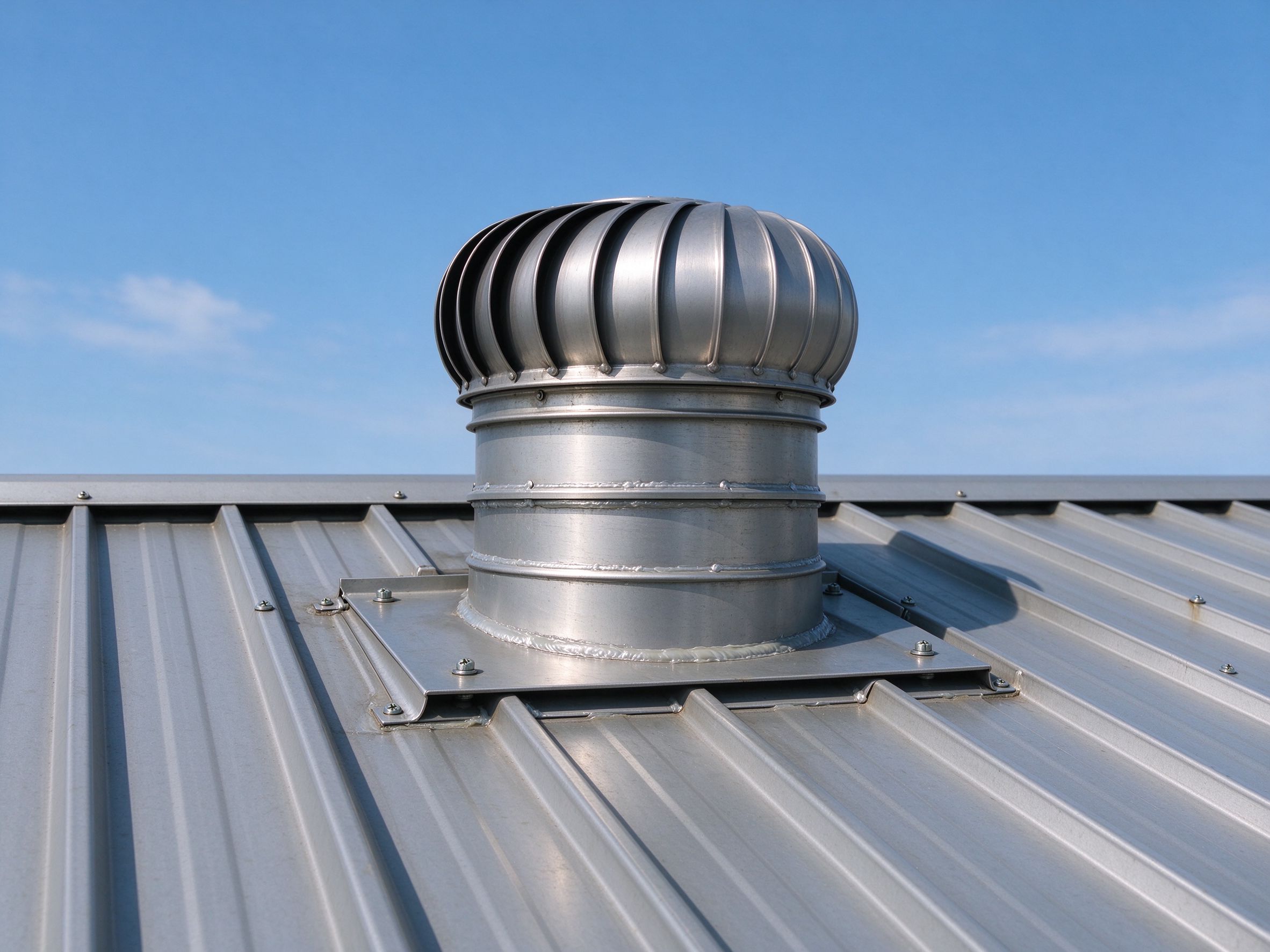
- Penetrations: every pipe, vent and skylight needs a curb, a base flashing and a counter flashing sealed to the sheet
- Fasteners: self-drilling screws with EPDM washers, seated without crushing the washer
Part 3: Sealants and fasteners
| Item | What matters | Common choice |
|---|---|---|
| Ridge seal | Compressible, UV-resistant, fits the sheet profile | Closed-cell foam ridge seal |
| Lap sealant | Stays flexible, does not crack in the local climate | Butyl or MS polymer tape/mastic |
| Fasteners | Corrosion class of the site, washer durability | Self-drilling screws with EPDM washers |
| Flashing material | Same coating life as the roof sheet | Pre-painted steel matching the sheet |
Part 4: Responsibility boundary
| Stage | ZhongSai (steel supplier) | Local team |
|---|---|---|
| Design | Detailing of flashing and trim, coordination with sheet profile | Building permit and registered engineer approval |
| Materials | Supply flashing, sealants and fasteners per order | Local fixings or sealants if specified |
| Erection | Installation technical guidance for roof and flashing | Physical installation, sealing and inspection |
| Acceptance | Clarify warranty scope in the supply contract | Weathertightness test and authority submissions |
Part 5: Checklist before the roof ships
- Roof slope and sheet profile confirmed
- Ridge cap, eaves and gable flashings included in the bill
- Penetration list with curbs and counter flashing
- Sealant tape and ridge seals specified for the climate
- Fastener corrosion class matches the site environment
- Erection guide covers lap direction and fixing pattern
FAQ
Why does my metal roof leak?
Most leaks come from the details — ridge, eaves, laps and penetrations — not from the panel itself. Poor flashing, missing sealant or wrong lap direction are the usual causes.
What seals the ridge of a metal roof?
A ventilated ridge cap with a closed-cell foam seal under it, fixed through the high ribs of the sheet.
Do roof penetrations need flashing?
Yes. Every pipe, vent and skylight needs a curb, a base flashing and a counter flashing, sealed to the sheet profile.
What is a drip edge?
A small flashing at the eaves that stops water running back under the roof sheet; the gutter should sit below it.
Can you supply flashing and trim for the roof?
ZhongSai can include flashing, ridge caps and trims in the supply, coordinated with the sheet profile and the building details.
Does the roof slope change the waterproofing?
Yes. Low-slope roofs need more sealing at laps and ridges; the exact requirement depends on the slope, climate and local code.
Do fasteners leak over time?
Overdriven screws and degraded washers are a common leak source. EPDM washers, correct seating and a corrosion class matched to the site reduce the risk.
What should I send when asking for a roof package?
The building drawings, the roof slope and sheet profile, the penetration list, and the local climate or code requirements.
Planning a roof package for your steel building?
Send the building drawings and the penetration list; ZhongSai will check the flashing, ridge and sealing details before fabrication.