
Steel Building Maintenance & Inspection: What to Check and When
A steel building needs periodic inspection, and the interval depends on the environment, the use and the local code: coastal or industrial corrosion, seismic zones, crane operation and insurance requirements all change the schedule. Focus on the coating, fasteners, roof and wall sheets, drainage, doors and any visible deformation. ZhongSai has built steel structures for 20 years and focused on exports for 15, and can supply matching repair materials and technical guidance for the items we fabricate.
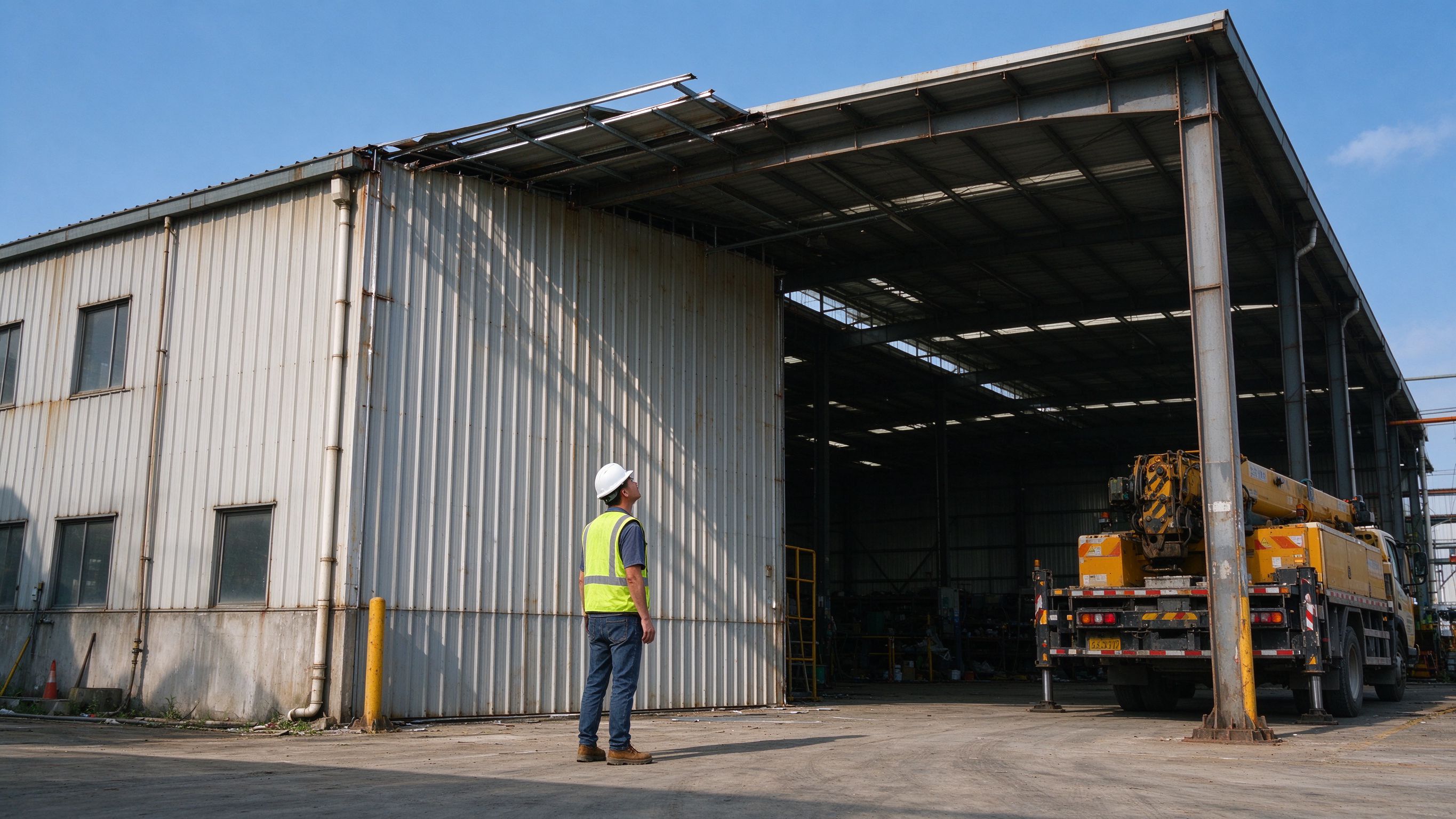
A steel building needs periodic inspection, and the interval depends on the environment, the use and the local code: coastal or industrial corrosion, seismic zones, crane operation and insurance requirements all change the schedule. Focus on the coating, fasteners, roof and wall sheets, drainage, doors and any visible deformation. ZhongSai has built steel structures for 20 years and focused on exports for 15, and can supply matching repair materials and technical guidance for the items we fabricate.
This guide covers inspection frequency, what to check and early warning signs.
Part 1: How often should a steel building be inspected?
| Situation | Suggested frequency | Why |
|---|---|---|
| Normal dry inland use | Annual visual check | Catch coating and fastener issues early |
| Coastal or industrial corrosion | Every 6 months | Salt or process atmosphere accelerates corrosion |
| Building with an overhead crane | Quarterly check of crane runway and connections | Dynamic loads loosen fasteners faster |
| Seismic or high wind zone | After each significant event | Verify bracing and connections after loading |
| After any repair or modification | Re-check the affected areas | Confirm the work and surrounding members |
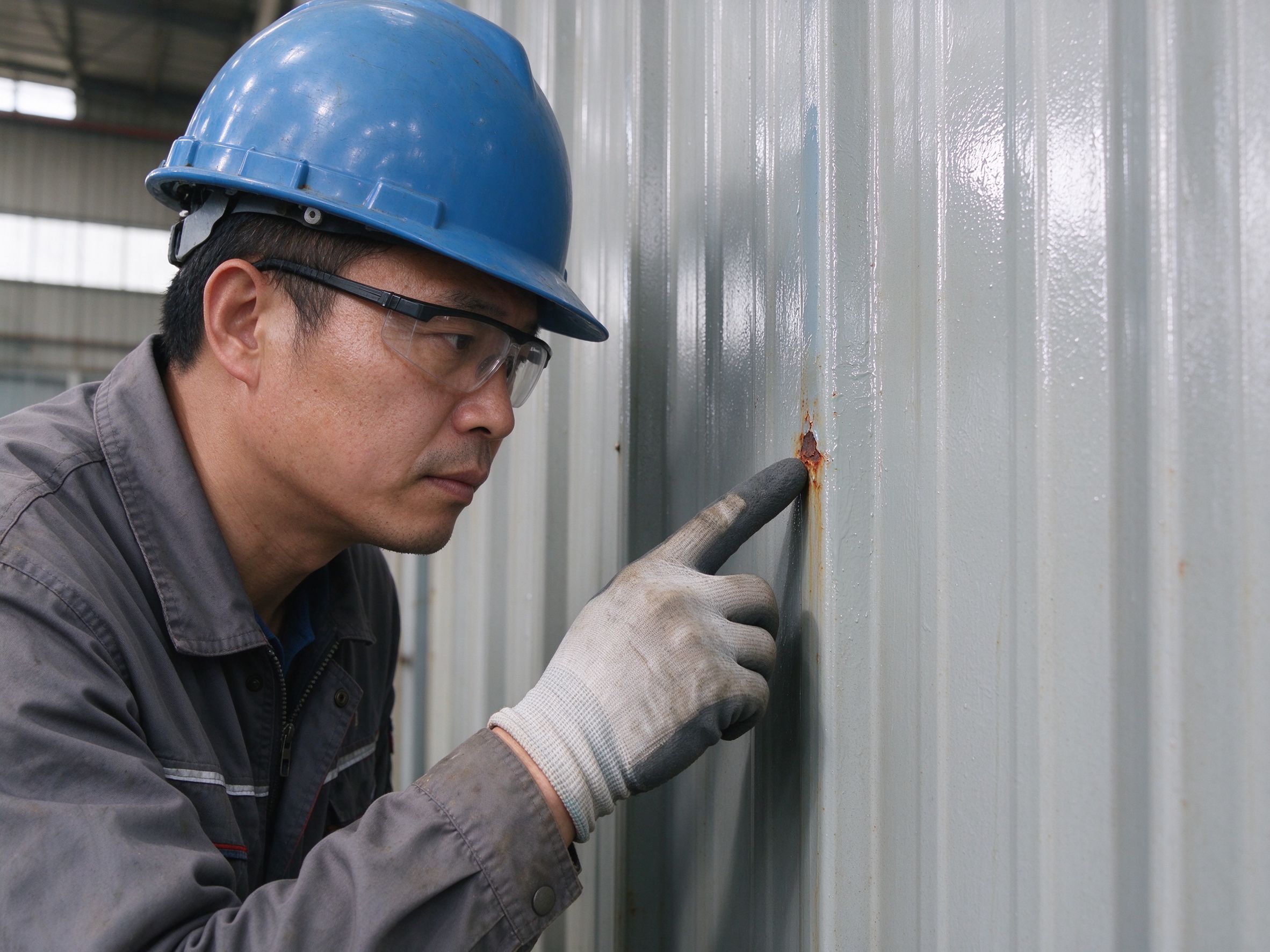
Part 2: What to check at each inspection
- Coating condition: blistering, rust spots, scratches and touch-up areas
- Fasteners: loose or missing bolts and self-drilling screws
- Roof and wall sheets: dents, cut edges and sealant condition
- Drainage: blocked gutters, damaged downpipes and ponding on the roof
- Connections: weld cracks, deformed stiffeners and shifted members
- Doors and openings: damaged frames, worn rollers and seal gaps
- Signs of impact, overload or deformation after any event
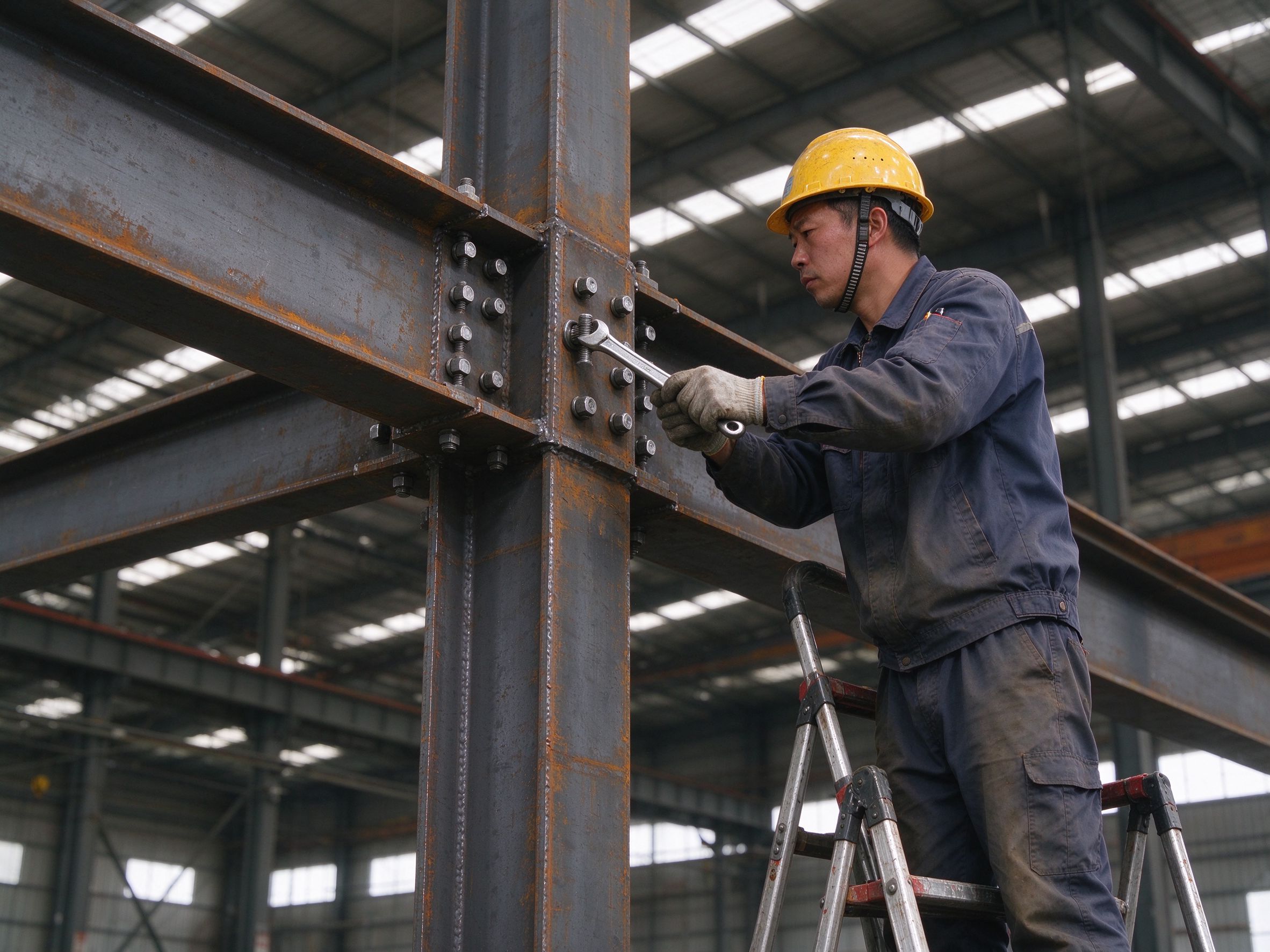
Part 3: Early warning signs and common problems
| Problem | What you see | What to do |
|---|---|---|
| Coating breakdown | Blistering, rust lines or bare metal | Clean, prepare and touch up with the compatible coating |
| Loose fasteners | Visible gaps, rattling sheets or misaligned cladding | Tighten to the specified torque, replace if damaged |
| Sheet leakage | Water stains, drips or wet insulation | Re-seal the laps and fix the damaged sheet |
| Drainage blockage | Ponding, overflowing gutters or water at the base | Clear gutters and downpipes, repair the fall |
| Structural deformation | Sagging members, cracked welds or leaning columns | Stop use in the area and have a registered engineer assess |
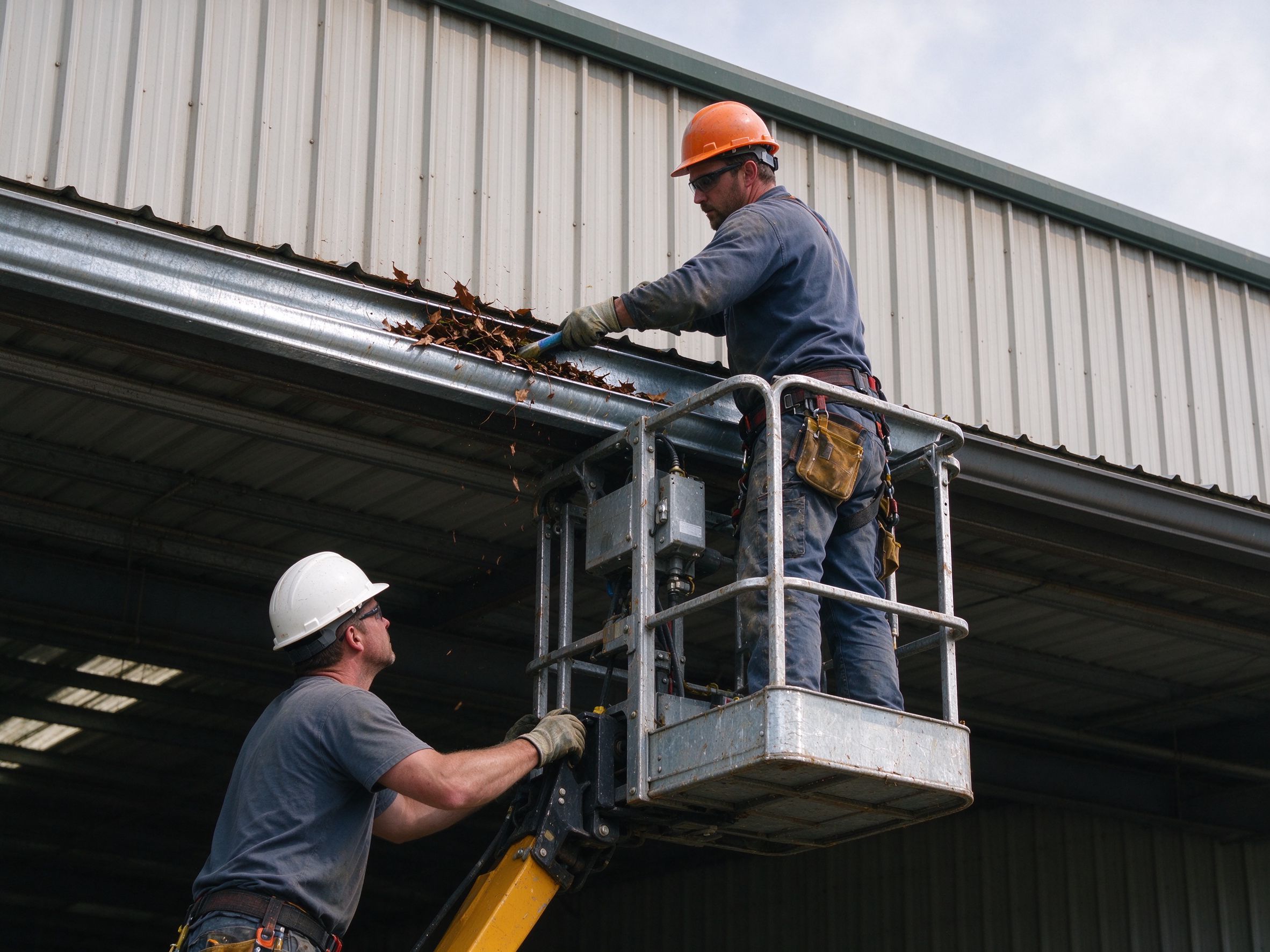
Part 4: Responsibility boundary for maintenance
| Stage | ZhongSai (steel supplier) | Building owner / local team |
|---|---|---|
| Records | Fabrication records, QC and marking that help identify members | Keep the maintenance log and inspection records |
| Materials | Supply matching repair coating, fasteners and sheet items where needed | Purchase local consumables and arrange access |
| Execution | Provide technical guidance for the repaired areas | Perform the physical inspection and repair work safely |
| Assessment | Explain the original coating and connection assumptions | Engage a registered engineer for structural assessment |

Part 5: Maintenance checklist
- Check the coating for rust, blistering or bare spots
- Check bolts and screws for looseness or loss
- Check roof sheets, laps and sealant condition
- Clear gutters, downpipes and roof drainage
- Check doors, frames and seals
- Look for dents, impact damage or deformation
- Record the findings and dates in the maintenance log
- Arrange a registered engineer assessment for any structural concern
FAQ
How often should a steel building be inspected?
At least annually in normal use; more often in coastal or industrial environments, with crane buildings, or after significant wind or seismic events.
What is the most common problem in steel buildings?
Coating breakdown at cut edges and fastener corrosion, followed by roof sheet leaks and blocked drainage.
Can I repaint a steel building?
Yes, after cleaning and surface preparation; the compatible coating system should be confirmed with the coating supplier or the steel supplier.
Who should perform the inspection?
Daily and visual checks can be done by the owner’s staff; structural assessments should be done by a registered engineer.
Do you supply repair materials?
ZhongSai can supply matching repair coating, fasteners and sheet items for the building package we fabricated.
What should I do if I see deformation or cracked welds?
Stop use in the affected area, record the location, and have a registered engineer assess the structure before any repair.
Does maintenance affect the building lifespan?
Yes, regular inspection and timely repair protect the coating and connections, which directly affects the service life of the steel building.
Is a maintenance log required?
A simple log with dates, findings and actions is recommended; it also supports warranty claims and insurance records.
Plan the maintenance for your steel building?
Send the building drawings and the inspection findings; ZhongSai can help identify the affected members and supply matching repair materials.