
Import a Steel Building from China vs Build Locally
There is no universal answer; importing versus building locally depends on local steel capacity, cost, lead time, quality needs, project size, shipping, customs and the ability to install. Compare the full landed cost and the local option before deciding.
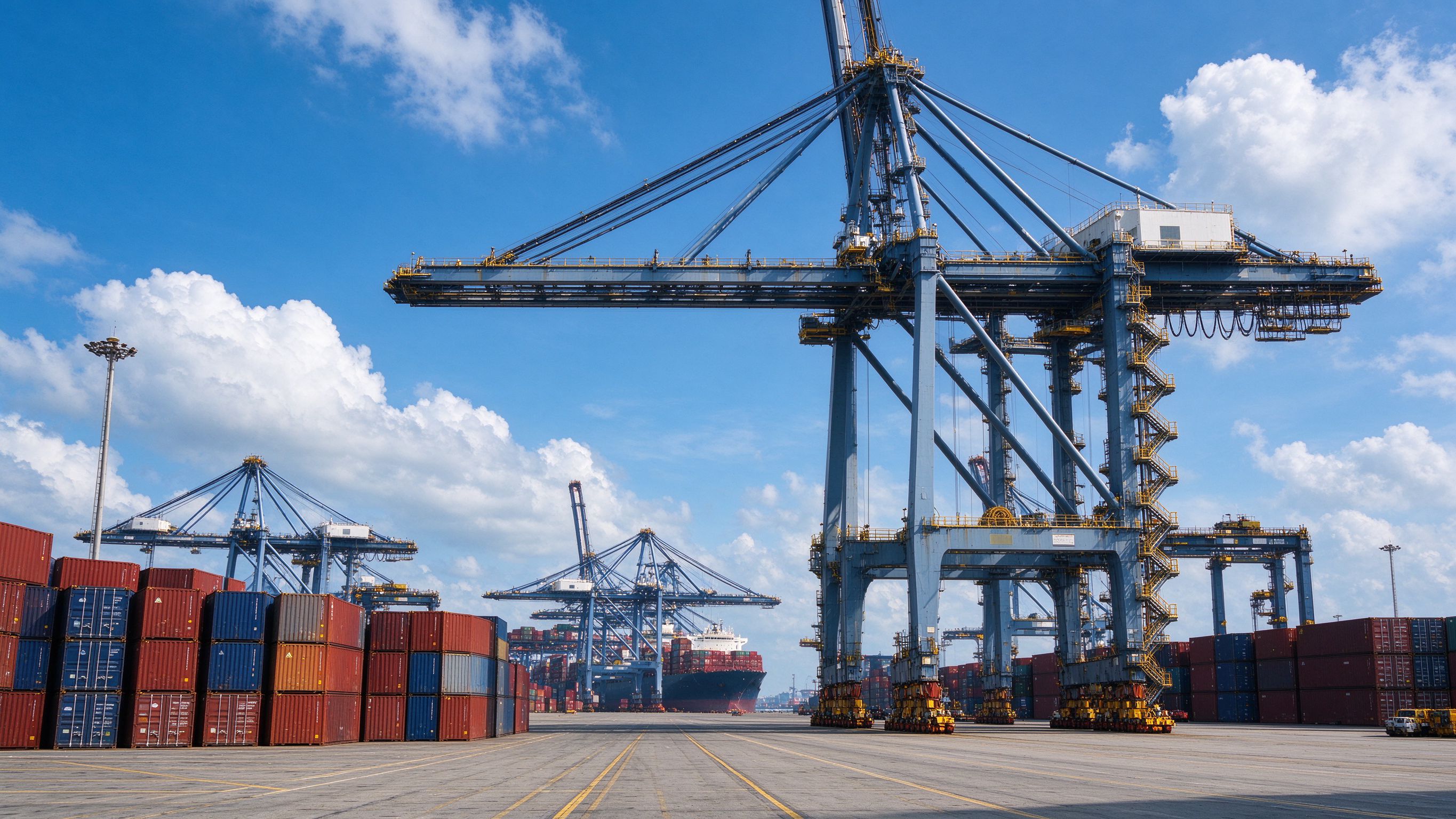
There is no universal answer; importing versus building locally depends on local steel capacity, cost, lead time, quality needs, project size, shipping, customs and the ability to install. Compare the full landed cost and the local option before deciding.
This guide gives a decision framework rather than a fixed saving claim.
When importing is common
Importing is common when local steel capacity is limited, when a standardized or larger frame is needed, or when the buyer has import experience and can arrange clearance and erection.
When building locally is common
Building locally is common for small or urgent projects, where local fabricators can meet the standard, where transport is difficult, or where local rules require a local supplier.
Comparison
| Dimension | Imported | Local |
|---|---|---|
| Local capacity | Useful when limited | Depends on local fabricators |
| Cost | Requires full landed cost | Requires local quote |
| Lead time | Includes shipping and clearance | Depends on local schedule |
| Standard | Coordinated to the project | Depends on local practice |
| Customization | Coordinated in advance | Easier to discuss on site |
| Installation | Needs local crew and guidance | Often arranged together |
| Risk | Shipping, customs, port charges | Local coordination |
| Support | Remote plus guidance | Usually on site |
Hidden costs of importing
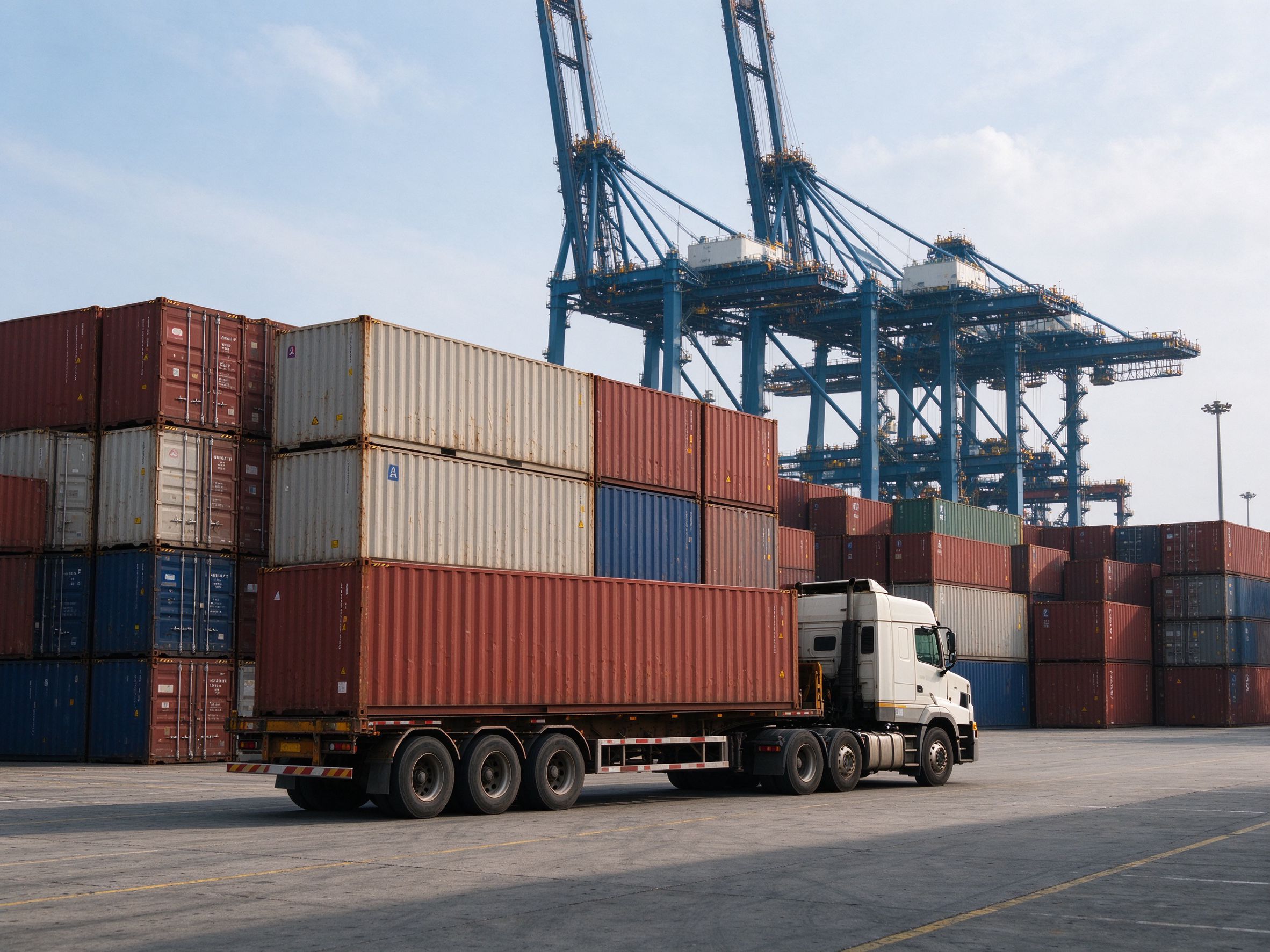
The full landed cost includes ocean freight, insurance, duty, clearance, port and demurrage charges, and inland transport to the site. These should be added before comparing with a local quote.
What depends on what
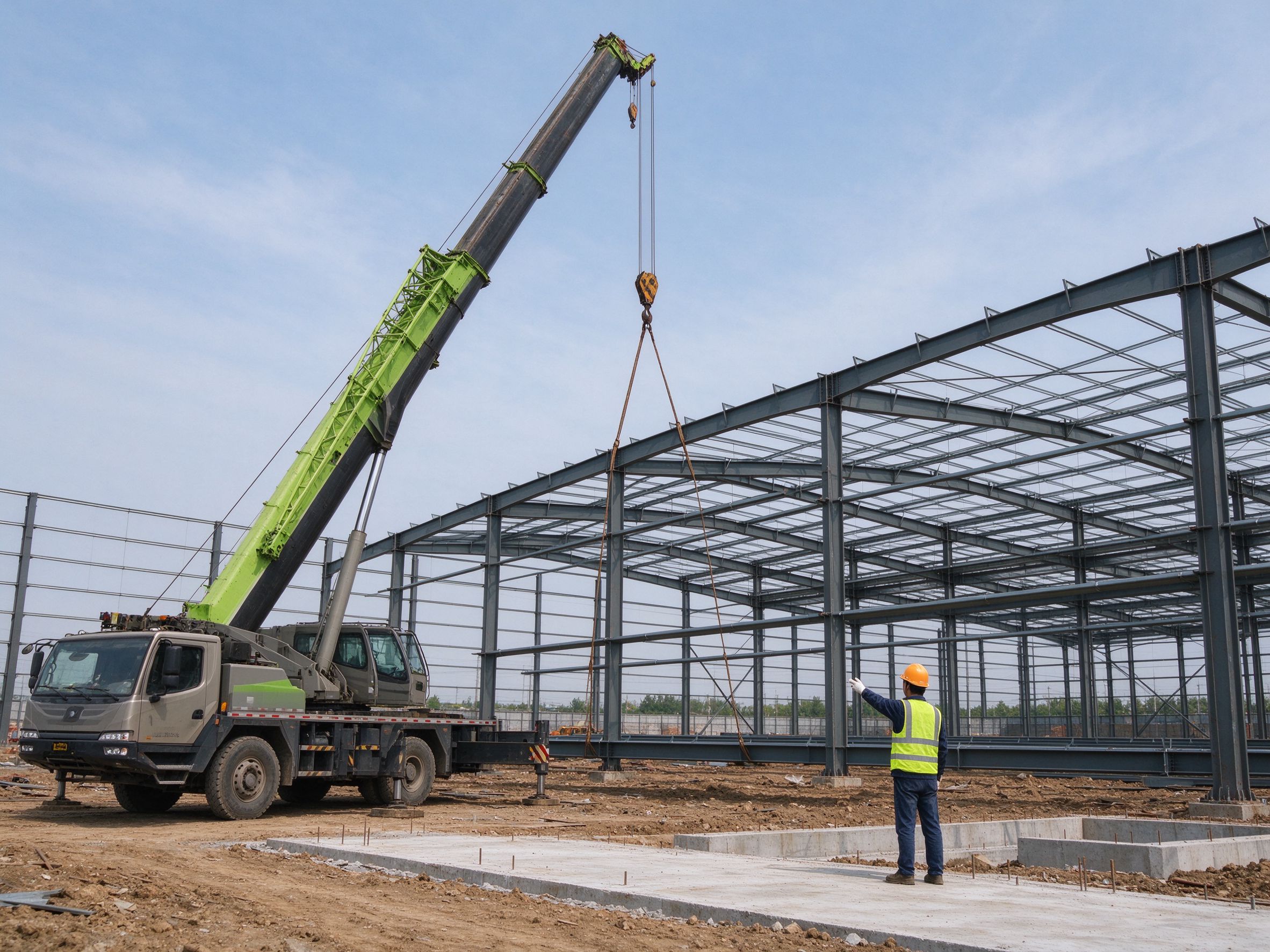
The decision depends on local capacity, project size, schedule, the full landed cost, local installation ability and the local code. It should not be based on a unit price alone.
Responsibility boundary
| Stage | ZhongSai | Buyer / local party |
|---|---|---|
| Quote | Provide export price and scope | Obtain local quote for comparison |
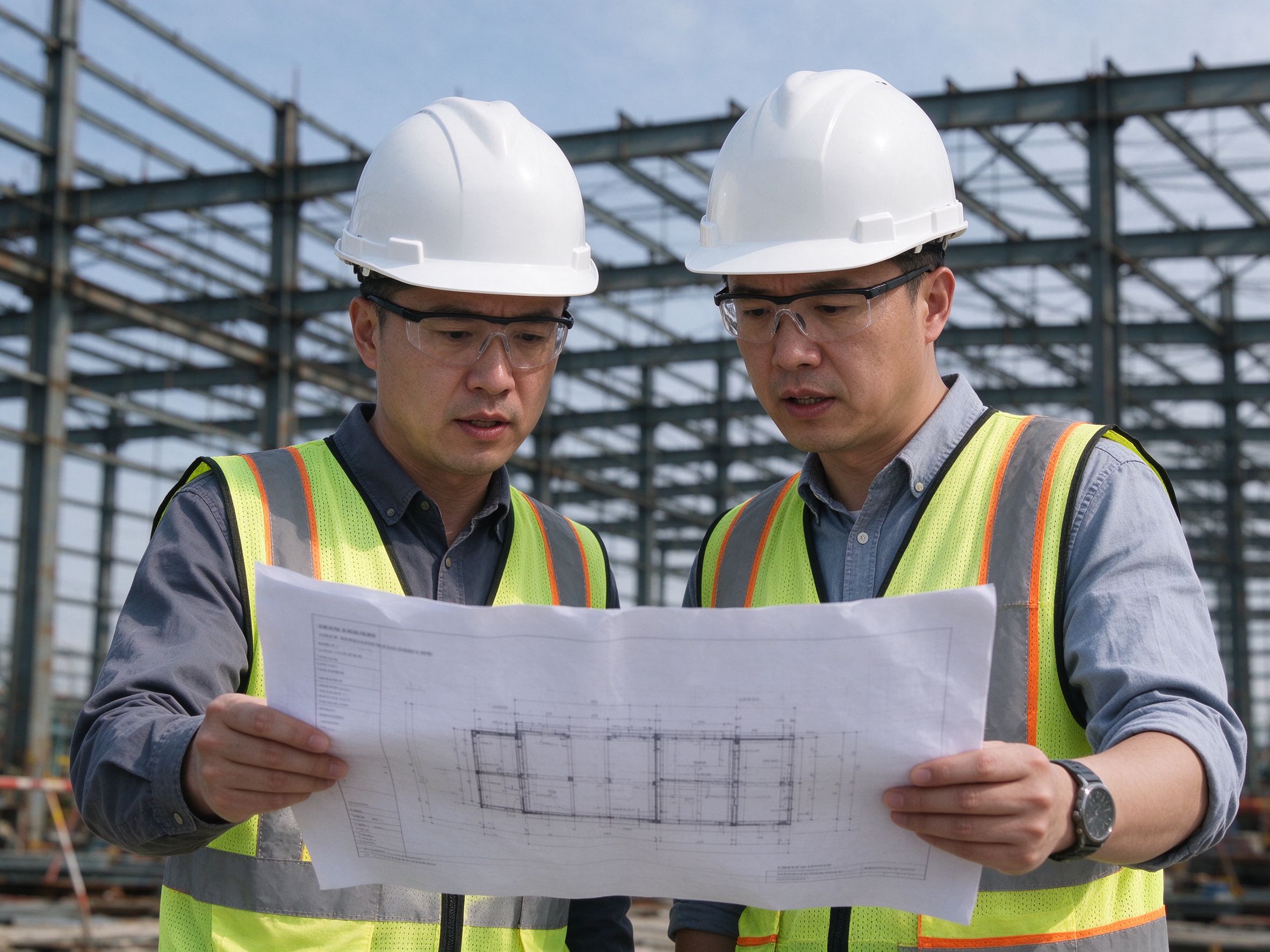
| Detailing | Coordinate to project | Confirm local code |
| Fabrication | Fabricate and QC in the manufacturing bases | Arrange permits and engineer |
| Shipping | Coordinate export and documents | Arrange clearance and duty |
| Erection | Provide technical guidance | Provide labour and physical erection |
Checklist
- Local capacity and quotes are checked
- Full landed cost is calculated
- Freight, insurance and duty are included
- Port and inland transport are added
- Schedule includes shipping and clearance
- Local erection crew is confirmed
- Local code and permits are checked
- Both options are compared on the same scope
FAQ
Should I import or build locally?
It depends on local capacity, cost, schedule and installation ability.
What costs are added when importing?
Freight, insurance, duty, clearance, port charges and inland transport.
Is importing only for large projects?
Not always, but small projects have less room to absorb import costs.
Can I compare unit prices directly?
No, compare the full landed cost on the same scope.
Who installs an imported building?
A local crew, with ZhongSai technical guidance.
When is local building common?
For small, urgent projects where local fabricators meet the standard.
Do I need import experience?
It helps, but a local customs broker can support clearance.
What should I ask a supplier?
The full scope, Incoterms, lead time, documents and installation support.
Comparing options for a project?
Send your project drawings and requirements; ZhongSai will provide the export scope and clear Incoterms so you can compare it with the local option.