
Cold Storage Steel Building: What You Need to Know
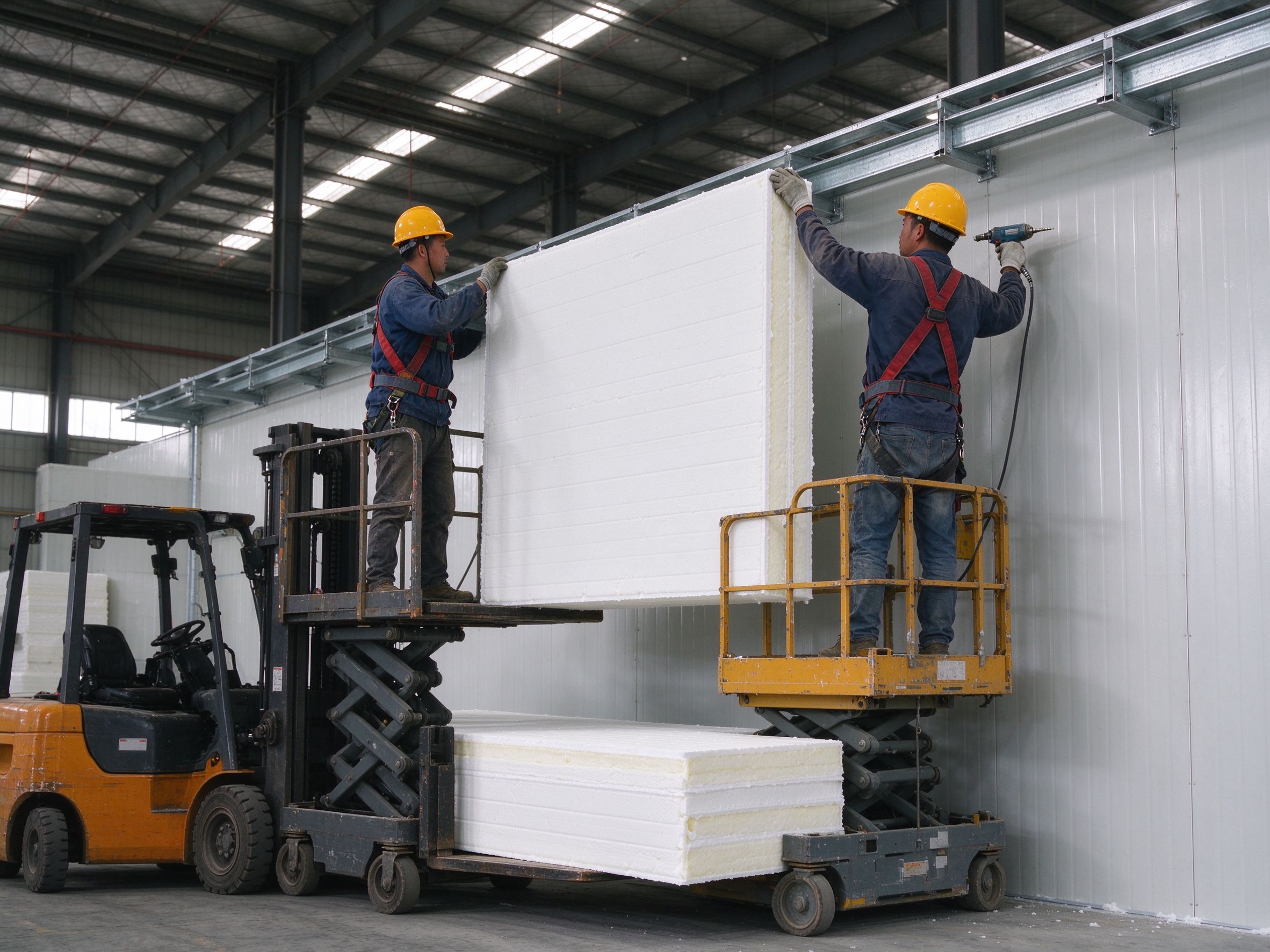
A cold storage steel building is a steel frame wrapped in a high-performance insulated envelope with a continuous vapour barrier, cold-bridge control and fire compartments. Insulation type and thickness depend on the target temperature, local climate and code requirements — they are not fixed global values. ZhongSai supplies the frame and insulated cladding package, coordinated with the structural drawings.
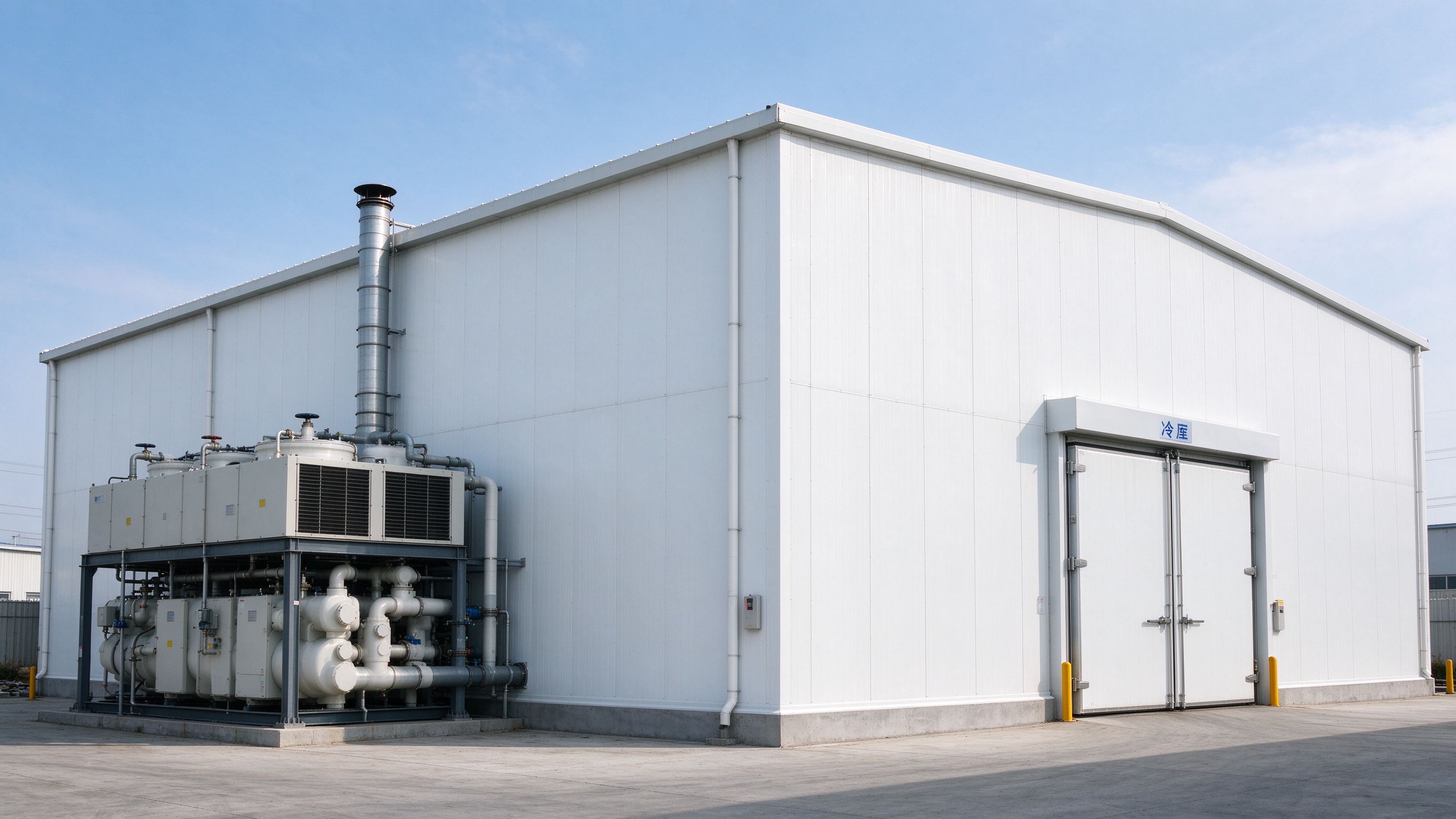
A cold storage steel building is a steel frame wrapped in a high-performance insulated envelope with a continuous vapour barrier, cold-bridge control and fire compartments. Insulation type and thickness depend on the target temperature, local climate and code requirements — they are not fixed global values. ZhongSai supplies the frame and insulated cladding package, coordinated with the structural drawings.
This guide explains how the building envelope works and what to specify before ordering.
Part 1: What makes a cold store different
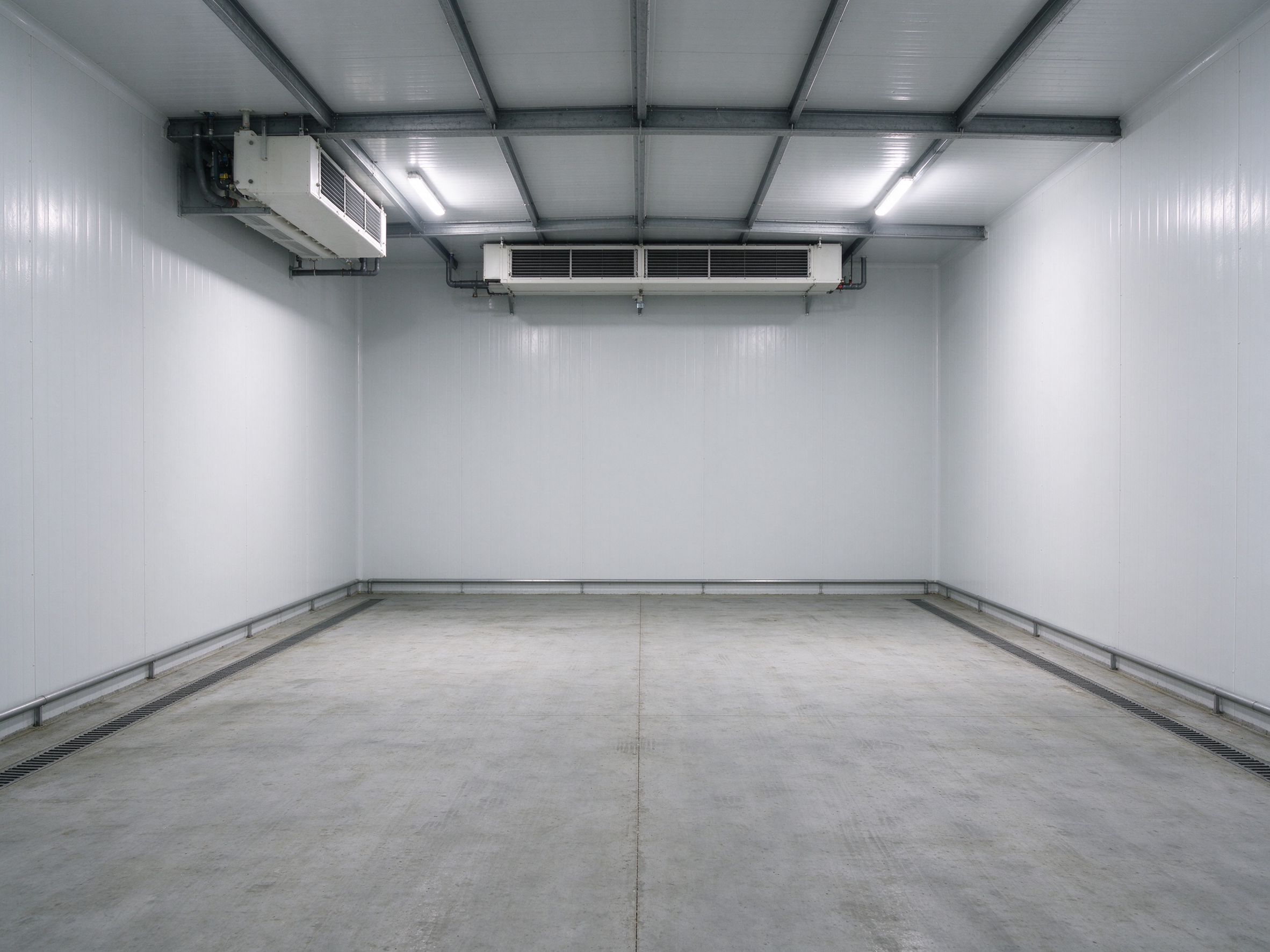
A cold store is not a standard warehouse with thicker panels. The envelope must stay continuous:
- Continuous insulation — no gaps at panel joints, eaves or ridges.
- Vapour barrier — moisture must not migrate into the insulation and condense.
- Cold-bridge control — steel fixings and structural members that penetrate the envelope need thermal breaks or careful detailing.
- Air-tightness — door seals and panel joints limit warm air ingress.
- Fire compartments — refrigerants, packaging and loading areas may require separate compartments per local code.
Part 2: Envelope options compared
| Option | How it works | Typical use |
|---|---|---|
| Single insulated panel | One panel layer, insulation core between metal skins | Standard cold stores with moderate temperature differences |
| Double-skin with air gap | Two panel layers with a ventilated gap | Large temperature differences, freeze-thaw control |
| Site-built composite | Frame, insulation infill, vapour barrier, liner sheets | Special layouts, uneven walls, retrofit |
| Pre-cast or masonry hybrid | Insulated block or tilt-up walls with steel roof | Local preference, availability, budget |
The right option depends on the temperature range, humidity, local climate, budget and code — confirm with the design team.
Part 3: What to specify in the enquiry
- Target temperature and the product it protects (chilled or frozen)
- Local climate, humidity and wind data
- Fire rating and compartment requirements
- Insulation core type and thickness (confirmed from the temperature calculation)
- Vapour barrier and air-tightness details
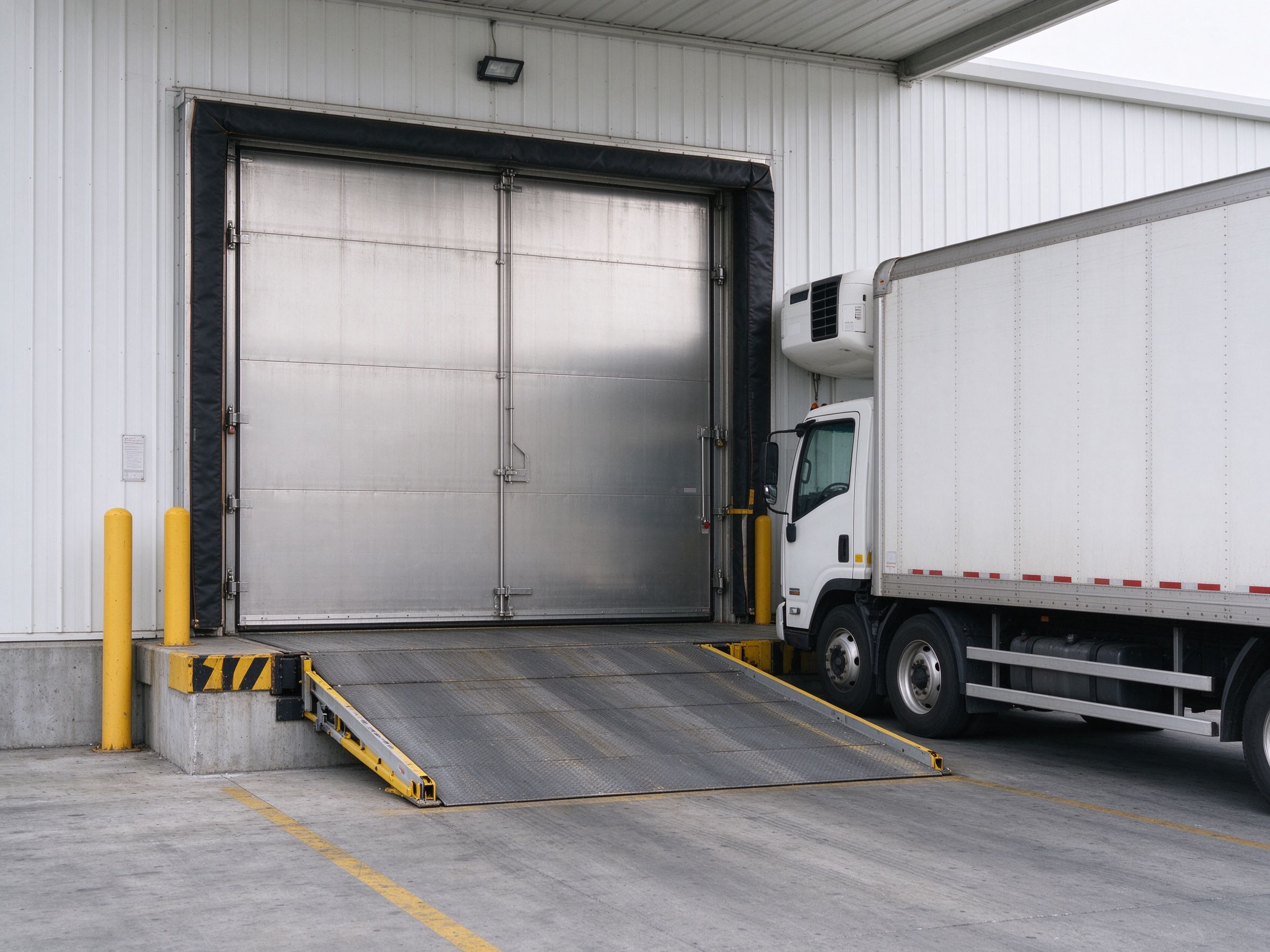
- Door size, type and dock level requirements
- Floor insulation and frost protection
- Drainage for defrost water, condensation and cleaning
Part 4: Checklist before ordering
- Temperature brief confirmed with the operator
- Loads and local code confirmed by the registered engineer
- Panel joints, eaves and ridge details designed for continuity
- Steel members penetrating the envelope detailed to avoid cold bridges
- Doors, seals and dock equipment listed
- Fire compartments and escape routes per local code
- Marking, packing and container loading planned with the steel supply
Part 5: Responsibility boundary — supplier vs local team
| Stage | ZhongSai (steel supplier) | Local team |
|---|---|---|
| Design | Coordinates frame, panel layout and cold-bridge details with the drawings | Confirms temperature brief, loads and code with the registered engineer |
| Supply | Supplies frame and insulated cladding, marked and packed for export | Organizes transport, offloading and storage |
| Installation | Provides panel fixing, joint and seal details and technical guidance | Installs panels, doors and seals with local labour |
| Inspection | Provides frame and panel QC records | Checks air-tightness, vapour barrier and fire compartments during erection |
FAQ
Is a steel building suitable for cold storage?
Yes. Steel frames are widely used for cold stores, provided the insulated envelope, vapour barrier and cold-bridge detailing are designed correctly for the temperature range.
What insulation do cold storage buildings use?
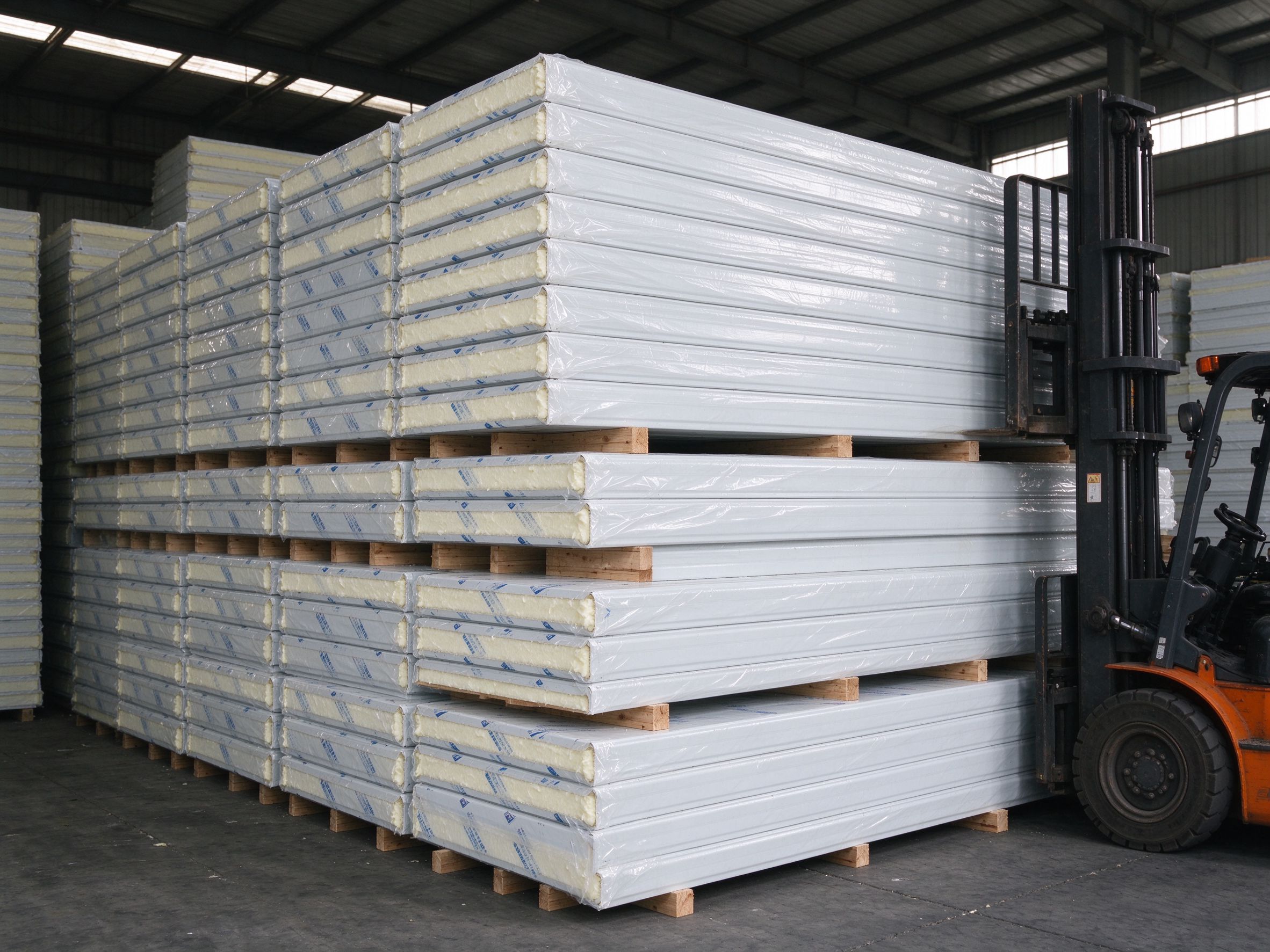
Common options are rigid insulated sandwich panels (polyurethane or other cores), double-skin systems and site-built composite walls. The core and thickness depend on the target temperature and local climate — confirm with the calculation.
Can I use a standard warehouse design for a cold store?
Not directly. A cold store needs continuous insulation, a vapour barrier, air-tightness and cold-bridge control that a standard warehouse envelope does not provide.
Who designs the insulation system?
The local design team confirms the temperature brief and code requirements; the steel supplier coordinates frame, panel layout and cold-bridge details with the structural drawings.
What about doors for cold storage?
Cold store doors need appropriate seals, insulation and, where required, dock level equipment. Door size and type depend on the operation — list them in the enquiry.
How do fire compartments work in a cold store?
Local code defines compartments for refrigerant plant, packaging and loading areas. Escape routes and fire ratings are confirmed with the local engineer.
What does the steel supplier include?
The frame and insulated cladding package, marked and packed for export, with fixing details and technical guidance. Confirm scope, insulation spec and coating in the quotation.
How is condensation avoided?
A continuous vapour barrier on the warm side, sealed panel joints, air-tight doors and proper drainage keep moisture out of the insulation and control condensation.
Need a cold store steel package?
Send the temperature brief, drawings and site conditions, and ZhongSai will coordinate the frame and insulated envelope with the structural design.